
Upload a photo of your house, tap the siding, and see it in a new color in your own sun and shade. Then try the trim and the front door. Your photo never leaves your device.
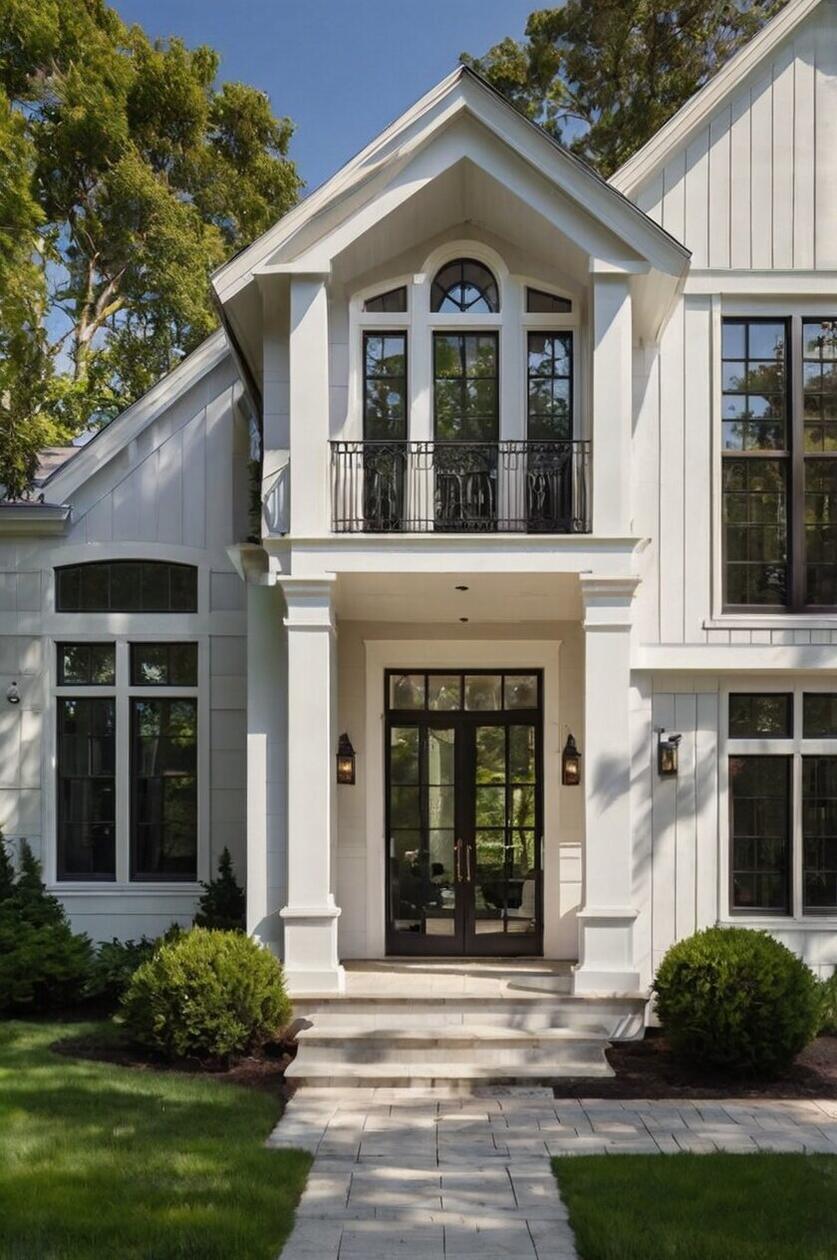
Tap the siding to paint it
1Your house
2Pick a color
3Tap the siding
Tap an open patch of siding, away from windows. Missed a patch? Tap it too. Then pick a second color and tap the trim or the front door. Paint on the trim? Move Spread left, or wipe it with the eraser.
Quick answer: to see a new color on your house before you paint, upload a photo of the front, tap the siding and pick a color. The visualizer above finds the siding, brick or shingles and repaints them, keeping the sun, shade and texture that are already in your photo. Then pick a second color for the trim and a third for the front door. It is free and runs in your browser: your photo is never uploaded anywhere.
How to use the exterior house color visualizer
- Add your house. Tap Upload or take a photo. On a phone you can walk outside and take it right there. No photo handy? Start with one of the three sample houses.
- Pick a body color. Browse the six color families, or type any color code (like
#8fa38e) if you already have one from a paint chip. - Tap the siding. Tap an open patch, away from windows and trim. Walls that are split by a porch or a roofline are separate patches: tap each one in the same color and they join into one paint.
- Add trim and a door color. Pick another color and tap the trim, the shutters or the front door. Each color is its own layer, so you can change one without touching the others.
- Fix the edges and compare. If paint spread onto the trim, move Spread to the left and your last tap is redone tighter, or wipe it off with the Eraser. Compare puts a before/after slider across the photo, and Save image keeps the result.
Why it works on siding, shingles and brick
A house wall is full of lines: the gaps between siding boards, the edges of every shingle, the mortar around every brick. A tool that stops at every line would paint one board at a time. The Textured setting, on by default here, softens those small lines before it looks for the edges of the wall, so one tap fills the whole face of the house but still stops at the window frames, the trim and the roof. If your house is smooth stucco or painted panels, switch to Smooth for crisper edges.
The color itself is applied the way paint would take it. The visualizer measures how bright every point of the wall is compared with the wall’s average and gives the new color the same light and shade, so the sunny side stays sunny, the shadow under the eaves stays a shadow, and the texture of the brick still shows through.
Exterior color combinations to try
Most houses use three colors: one for the body, one for the trim, and one accent for the front door or shutters. A few combinations built from the swatch board, with the LRV and undertone the visualizer shows for the body color:
| Body | LRV | Reads as | Trim | Door or accent |
|---|---|---|---|---|
| Soft White #F4F1EA | 88 | light, neutral | Soft White, with black windows | Soft Black or natural wood |
| Greige #D6CFC4 | 63 | light, warm | Bright White | Navy |
| Coastal Blue #8FA9B8 | 38 | mid-tone, cool | Bright White | Navy or Mustard |
| Eucalyptus #8FA38E | 34 | mid-tone, cool | Cream | Soft Black |
| Slate #6E7478 | 17 | dark, neutral | Bright White | Rust |
| Charcoal #45484A | 6 | dark, neutral | Warm Linen | Mustard or natural wood |
Color names here are the swatch board’s own, not a paint brand’s. To match a brand’s color, type its code into the color box, or use the paint color matcher on a photo of a house you love.
How to take a photo that paints well
- Shoot on a bright, overcast day, or with the sun behind you. Hard shadows split one wall into light and dark patches that paint as two.
- Stand across the street and take the whole front in. That is the view your neighbors and visitors see, and the one the color has to work from.
- Hold the phone level and keep it sharp. Blur softens the edges where the paint has to stop.
- Trim back what hides the house, at least in the frame: a car in the driveway or a branch across the siding makes more patches to tap.
Three worked examples
A white farmhouse in blue. In the board-and-batten sample, three taps on the siding (the tall gable, the lower right wall and the left wing) paint the house Denim, while the white trim, the portico columns and the black windows stay as they are.
Cedar shingles in green. In the shingle sample, one tap on the shingled wall turns it Eucalyptus and the white porch, railings and window trim stay white. Try the same wall in Slate or Soft Black to see how a darker body makes that white trim stand out.
Red brick, painted white. In the brick sample, four taps (two across the front, two on the strip beside the door) turn the red brick Soft White, and the dark green shutters and door stay. Then pick Rust and tap the front door to see a warm door against the white. Compare shows the before and after side by side, which is the best way to decide whether painting brick is worth it.
Common mistakes when choosing exterior colors
- Choosing from a chip indoors. Colors look lighter and brighter outside in full daylight. Many painters go a shade darker than the chip they like indoors.
- Forgetting what you cannot change. The roof, stone, brick and your windows stay. Pick colors that work with them, not against them.
- Too many colors. Three is plenty for most houses: body, trim and one accent. More than that and the house looks busy from the street.
- Painting vinyl siding much darker. Dark colors absorb more heat, and vinyl can warp when it is painted much darker than its original color. Check the paint maker’s vinyl-safe colors first.
- Skipping the rules. Many homeowners associations and historic districts have to approve a new exterior color. Ask before you buy the paint.
- Trusting the screen for the final decision. Screens and phone cameras shift colors. Narrow it down to two or three here, then paint large samples on the house and look at them in the morning and the evening.
Painting inside too? The room paint visualizer does the same for your walls, and the free 2D room planner lays out the furniture.
Plan the rooms freeRead next
- Exterior color palette ideas
- Exterior color schemes for red brick houses
- Painted brick ideas
- Green house exterior ideas
- Front door colors for a gray house
- Curb appeal ideas
Exterior house color questions
How can I see what color my house would look like?
Take a photo of the front of your house, upload it to the visualizer above and tap the siding. It repaints the siding in the color you pick, with your photo’s own sun and shade, and you can add a trim color and a door color. It is free and your photo stays on your device.
Is there a free exterior paint visualizer that uses my own photo?
Yes, this one. Upload or take a photo, pick any color or type in a color code, and tap the parts of the house you want to paint. There is no sign-up and nothing is uploaded: the painting happens in your browser.
How many colors should a house exterior have?
Usually three: a body color for the siding, a trim color for the window frames, corners and fascia, and an accent for the front door or shutters. Light body with white trim is soft and classic; a dark body with light trim looks crisp and modern.
Do exterior paint colors look lighter outside?
Yes. Full daylight is much brighter than indoor light, so most colors look lighter and less saturated on the house than on the chip. That is why many painters choose a shade darker than they would indoors, and why a large sample on the house beats a small chip.
How do I choose an exterior color that goes with my roof?
Start from the roof, because it is the part you will not change. Warm roofs (brown, red, tan) sit best with warm body colors like greige, cream and warm whites. Cool roofs (gray, black, blue-gray) suit whites, grays, blues and greens. Keep your photo’s roof in view while you try colors.
Can I paint brick?
Yes, but treat it as permanent: paint is very hard to remove from brick. Use a breathable masonry paint, a mineral paint or a limewash, so moisture can still escape from the brick. Try it on a photo first: the brick sample above shows red brick painted white.
Can I paint vinyl siding a darker color?
Only within limits. Dark colors absorb more heat, and vinyl painted much darker than its original color can warp. Paint makers publish vinyl-safe color lists for this; pick from those if you want a deeper color on vinyl.