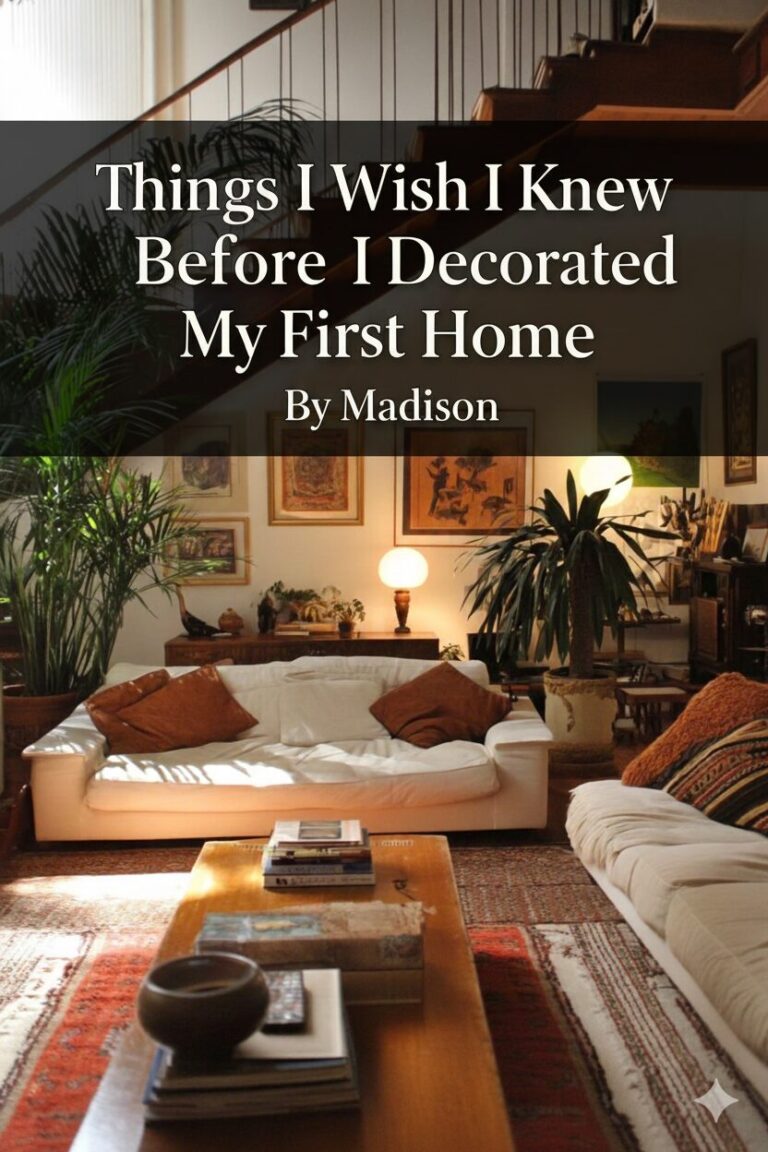
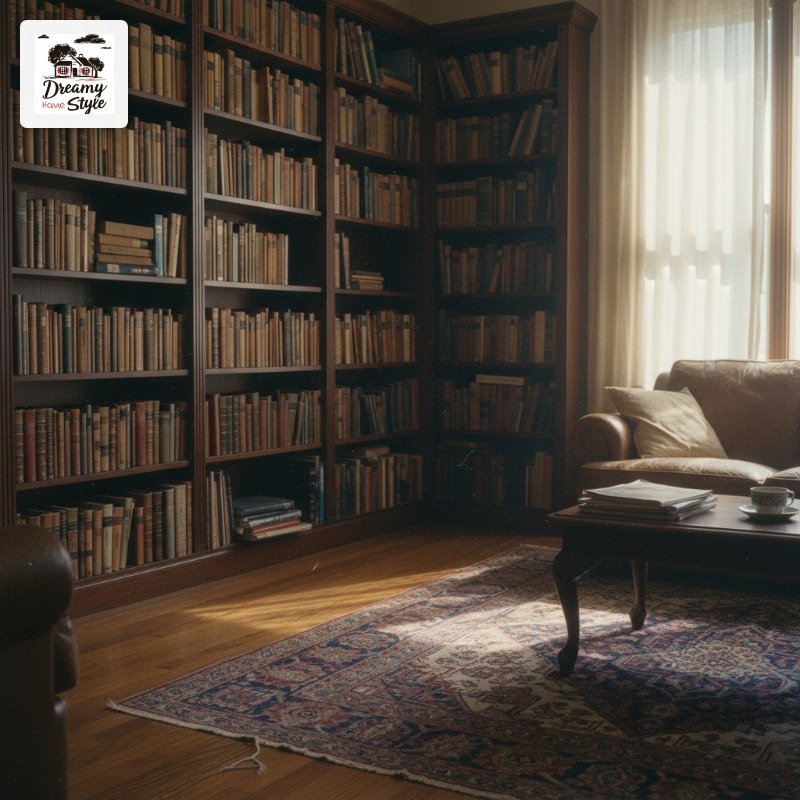

I walked into a thrift store last spring looking for a side table and walked out with a $7 brass candlestick, a wool throw that smelled faintly of cedar, and a sudden obsession I still haven’t recovered from.
The old money living room look.
I know, I know.
It sounds intimidating, like you need a trust fund or a last name with a hyphen in it.
You don’t.
What you need is a really good eye for what’s already aged well, a little patience, and the willingness to move away from anything that looks too new.
I’ve been slowly pulling my own living room in this direction for about a year now and honestly?
It’s changed the whole feeling of the space.
What Old Money Style Actually Means (It’s Not What Instagram Sold You)
Old money style isn’t about luxury for the sake of luxury.
It’s about the opposite of that.
It’s about things that look like they’ve been in your family for decades, whether they have been or not.
The biggest misconception I see floating around is that you need everything to match perfectly and feel ‘grand.’ You don’t.
Real old money rooms have a slight comfortable messiness to them.
A stack of actual books.
A chair that’s slightly faded.
That one lamp that doesn’t quite go but somehow works.
It’s less about showing off and more about having nothing to prove.
And honestly, that vibe is way more achievable on a real budget than the hyper-polished designer looks everyone was obsessing over a few years ago.
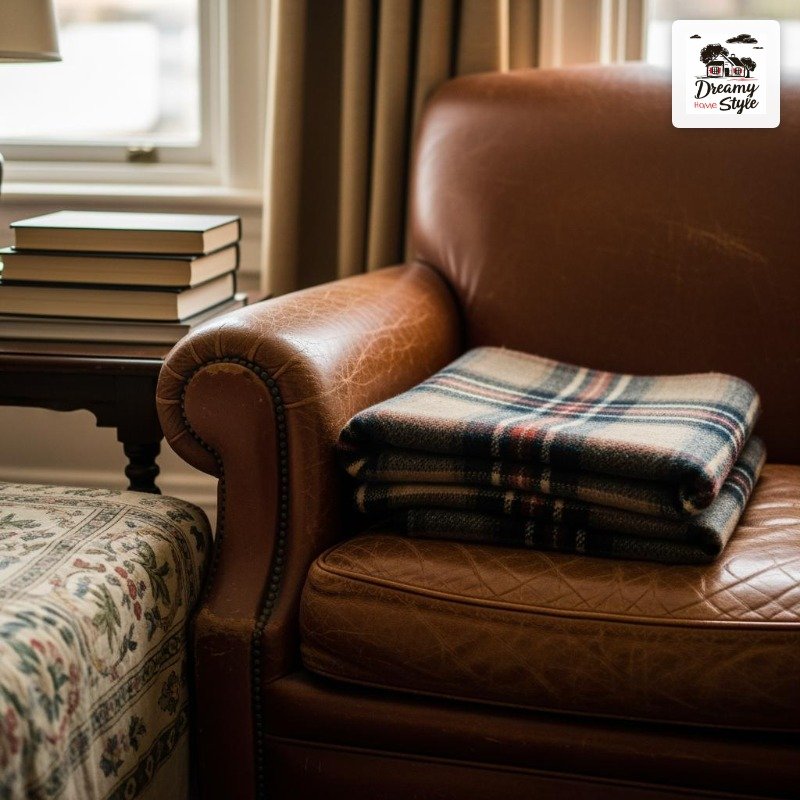
Think worn leather.
Wool plaids.
Dark wood that has actual grain in it.
Books that look read.
That’s the whole energy.
The Color Palette That Makes It All Feel Intentional
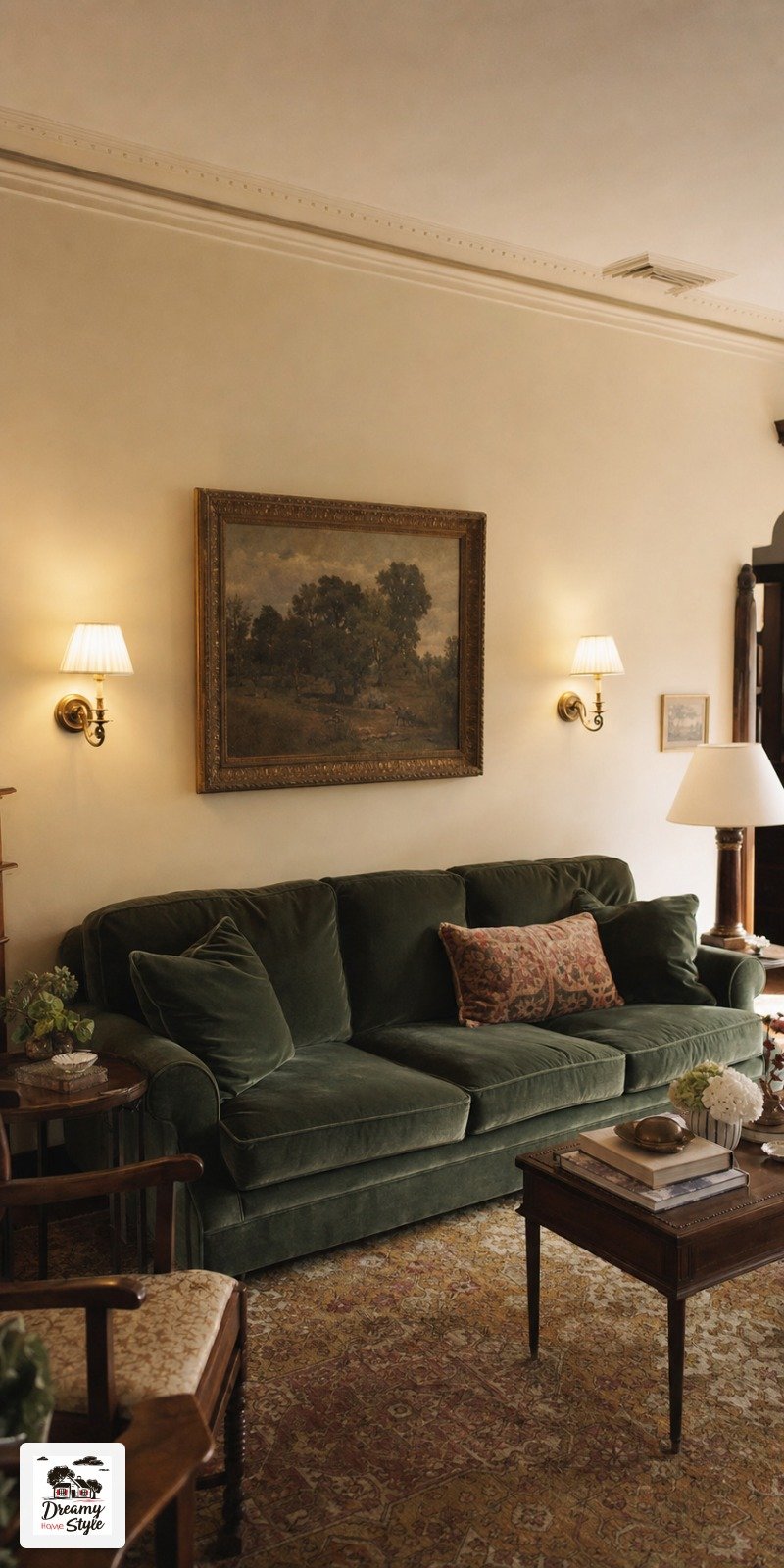
If your walls are bright white, that’s the first thing to reconsider.
Old money rooms lean toward warm, aged neutrals.
Think: creamy off-whites, warm taupes, deep forest greens, dusty navy, and that particular shade of faded burgundy that feels like a well-loved library.
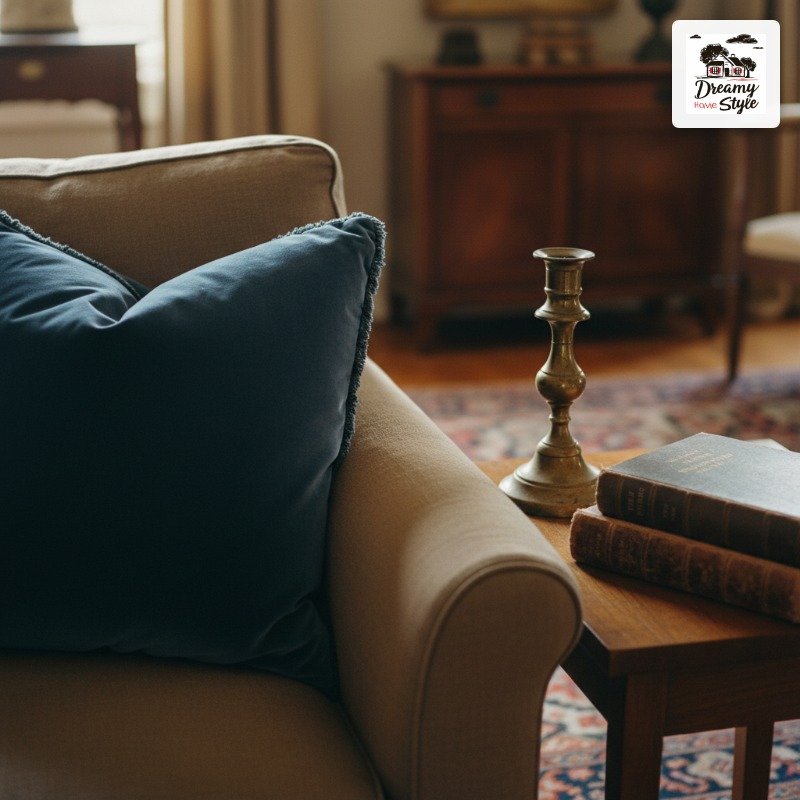
I painted my living room a color called ‘Antique White’ about eight months ago and it changed everything.
My trim is slightly brighter and the contrast is subtle but it reads as so intentional.
(I learned this the expensive way after buying a can of stark white by mistake.)
Accent colors in this world are usually earthy and a little muted.
Burnt sienna, aged gold, olive, tobacco brown.
Nothing neon.
Nothing trendy-cool-toned.
You’re not going for ‘cozy farmhouse’ and you’re not going for ‘modern moody.’ It’s warmer than both and a little more serious feeling.
Furniture That Looks Like It Has a History
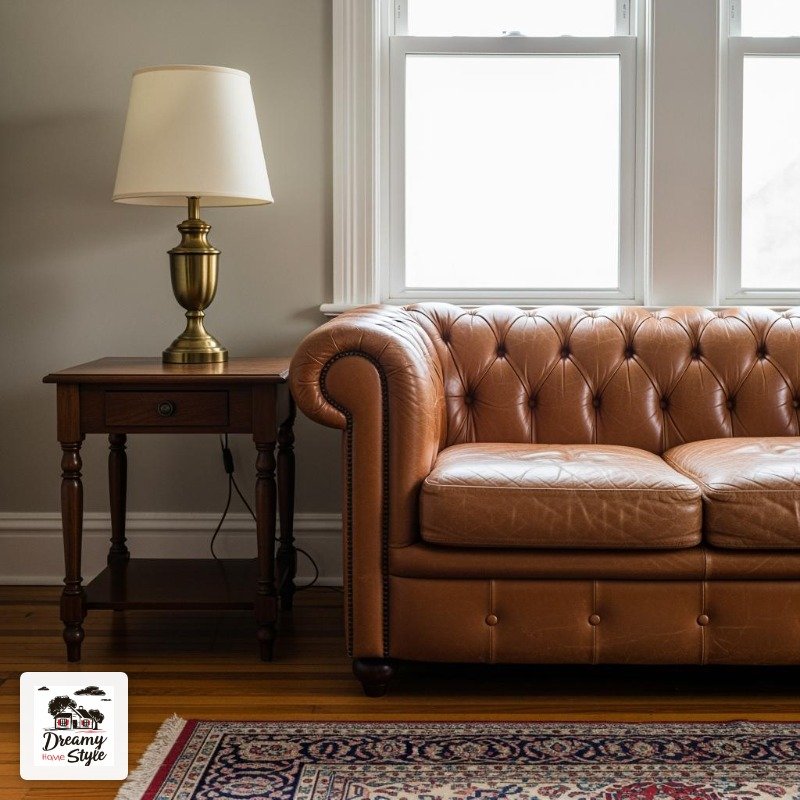
New furniture kind of kills this look.
I’m sorry.
That perfect matching sectional from a big-box store is going to fight everything you’re trying to do here.
What you want are pieces that feel like they were acquired over time.
A Chesterfield sofa in slightly worn leather.
A wingback chair in a faded floral.
A heavy wooden coffee table with actual patina on it.
Mismatched but somehow cohesive.
I found my best piece — a gorgeous dark walnut side table with turned legs — at an estate sale for $35.
It has a small water ring on it.
I left it.
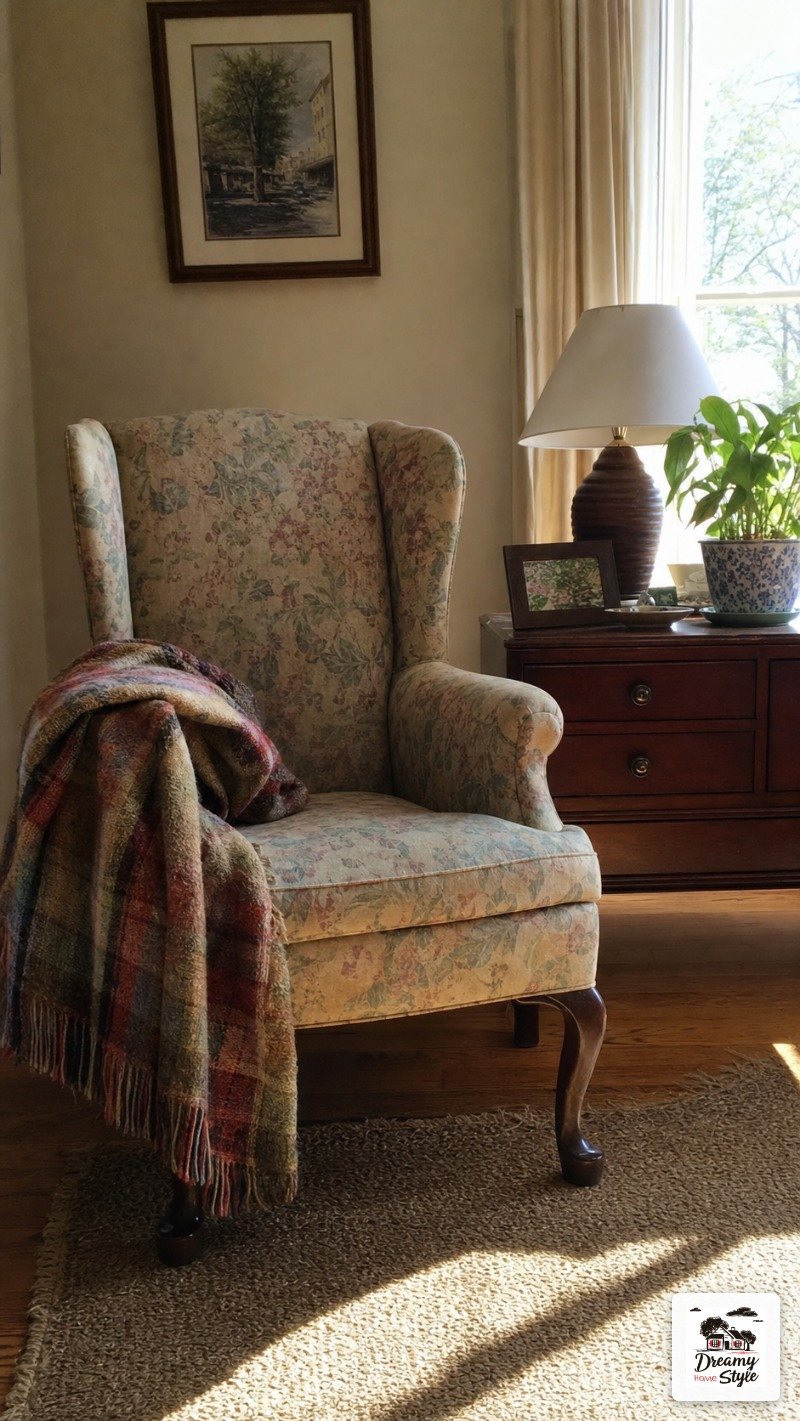
Thrift stores and Facebook Marketplace are genuinely your best friends here.
You’re not looking for perfect.
You’re looking for real.
Rugs: The Single Biggest Thing That Changes a Room
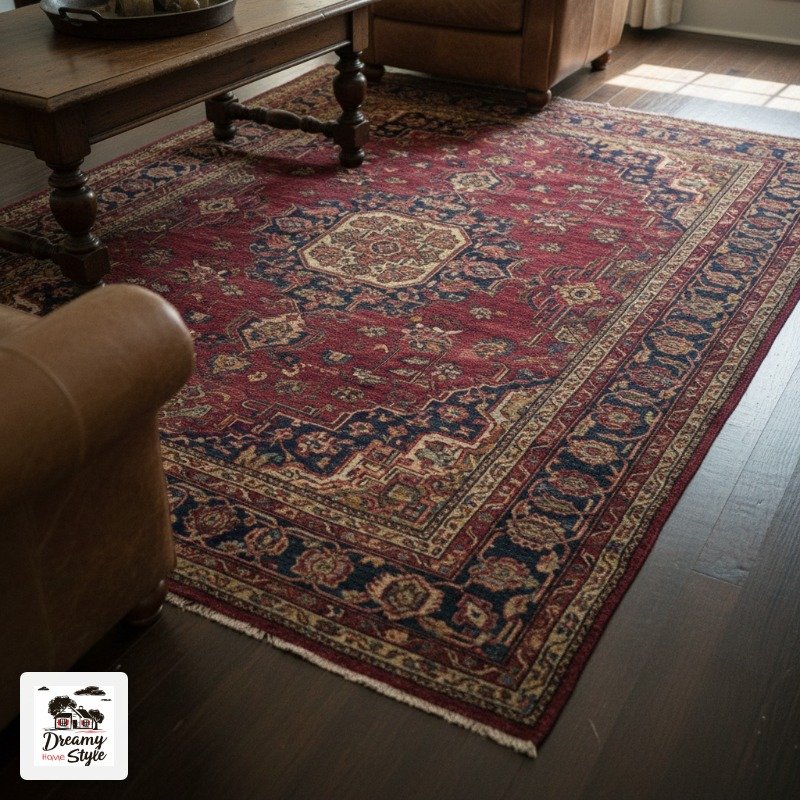
I will say this loudly: a Persian or Oriental-style rug is the single fastest way to pull this whole look together.
No contest.
The faded ones are the best ones.
That’s not a bug, that’s the feature.
A rug with slightly worn color looks like it’s been in a beautiful room for fifty years.
Which is exactly what you want.
I got mine at a local rug liquidator for $180 and it’s a 8×10.
It’s not an antique.
It’s a machine-made Persian-style rug in deep red, navy, and gold and it looks like a million dollars on my dark hardwood floors.
Everyone who comes over asks about it.
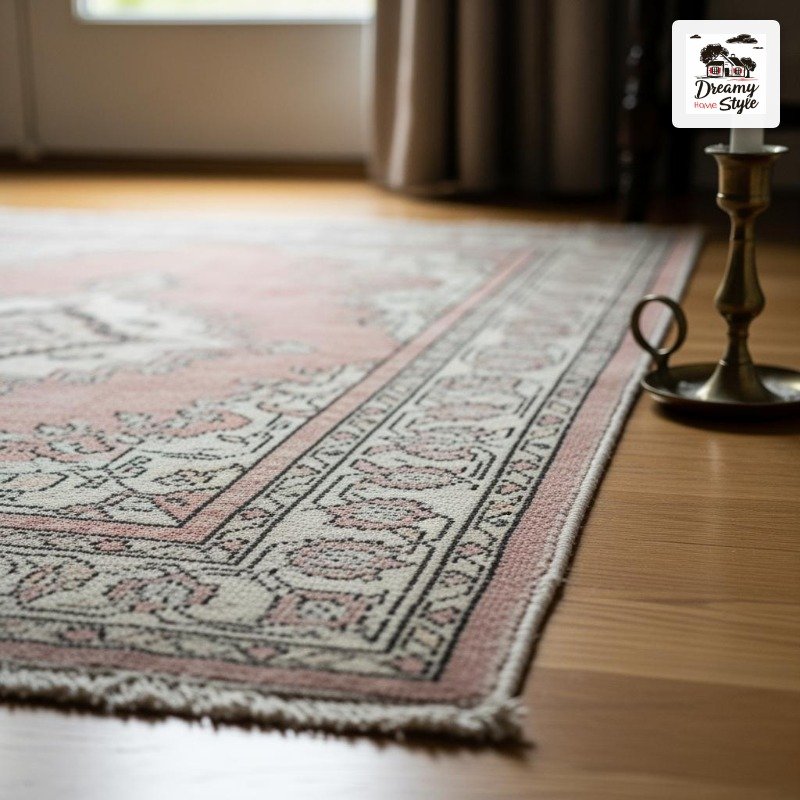
If your floor is light-colored, go darker with the rug.
If your room already skews dark, a faded rose or gold-toned rug adds warmth without weight.
Lighting Is Everything and Overhead Fixtures Are a Crime
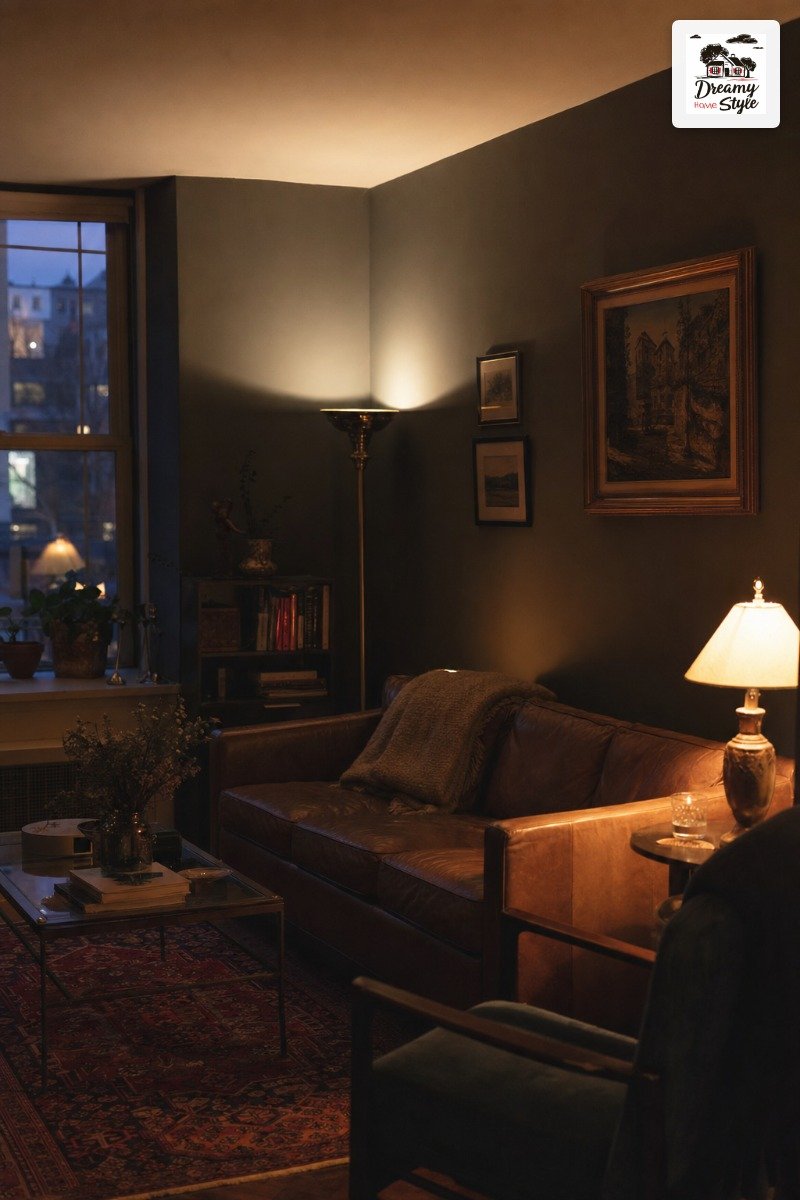
I’ve said it before and I’ll keep saying it: overhead lighting is a crime against atmosphere.
Turn it off.
Put it on a dimmer.
Cover it with a soft-shade fixture.
Do something.
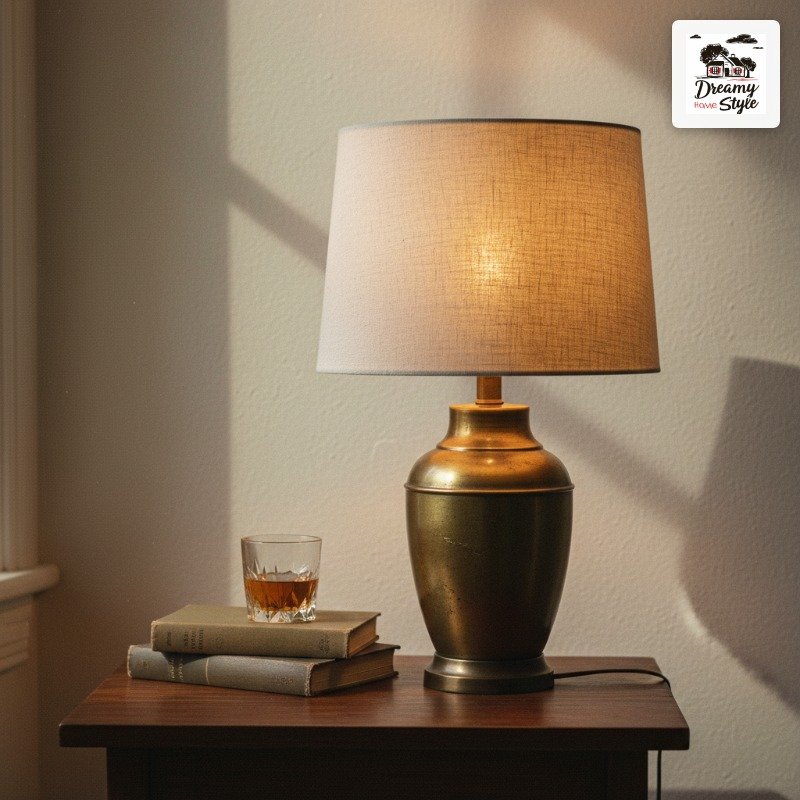
Old money rooms glow.
They have pools of warm light from table lamps, floor lamps, sconces, and candles.
Not one blinding overhead source that makes everyone look like they’re being interrogated.
My living room has zero overhead light on after 6pm.
I have a $40 brass torchiere lamp from a thrift store, a $12 table lamp I rewired myself (YouTube taught me, it took 20 minutes), and two pillar candles on the mantle.
That’s the whole lighting plan.
Brass is your metal here.
Not shiny chrome, not matte black.
Aged brass or antique gold.
It reads warm in a way nothing else does.
Books Are Decor and I Won’t Hear Otherwise
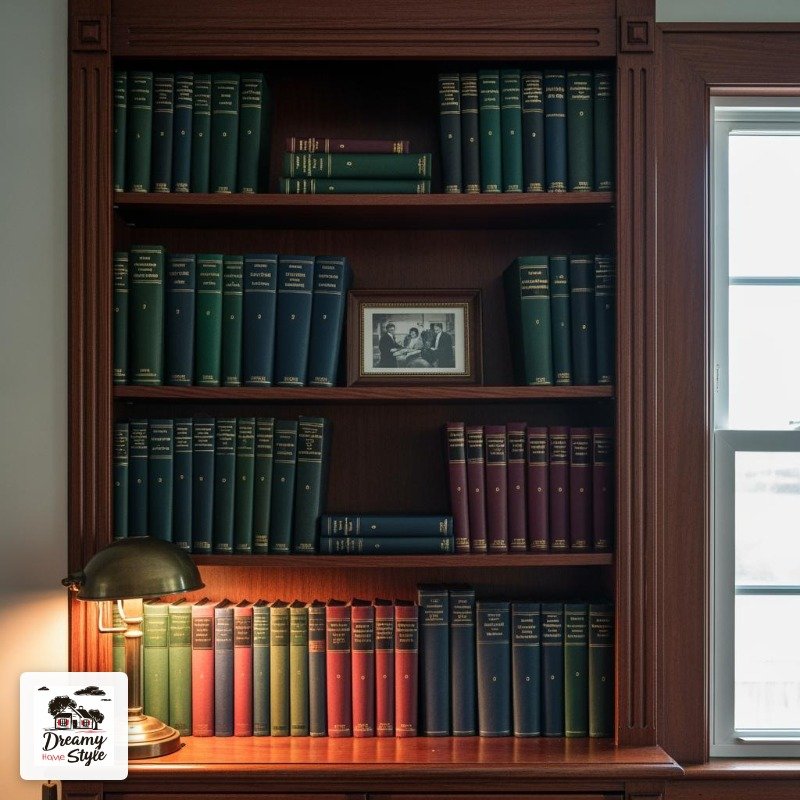
Real books.
Not fake spines, not color-coordinated stacks you bought as a set.
Actual books that someone has read or would realistically read.
Nothing signals ‘this family has been educated and curious for generations’ quite like a bookshelf that’s slightly overfull with a mix of hardcovers, paperbacks, and the occasional framed photo slipped in sideways.
That’s the look.
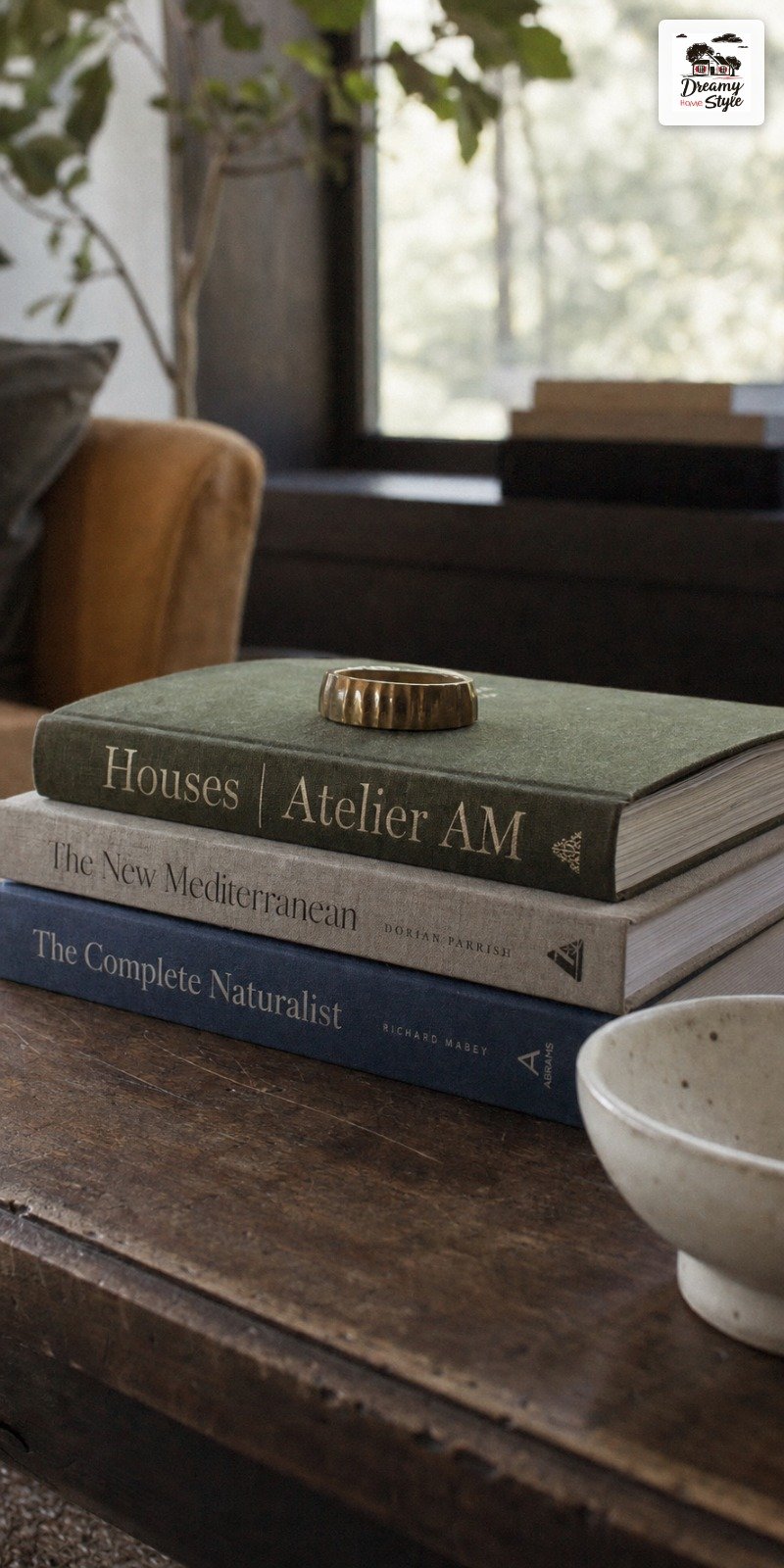
I buy books constantly at thrift stores for $1-2 each.
Older hardcovers with cloth spines in deep greens, navy, burgundy.
They stack beautifully and they give the room this intellectual, lived-in quality I’m obsessed with.
Stack them on your coffee table too.
A few layered books under a small object — a geode, a brass paperweight, a little ceramic dish — looks incredibly intentional.
Window Treatments That Feel Like They’ve Always Been There
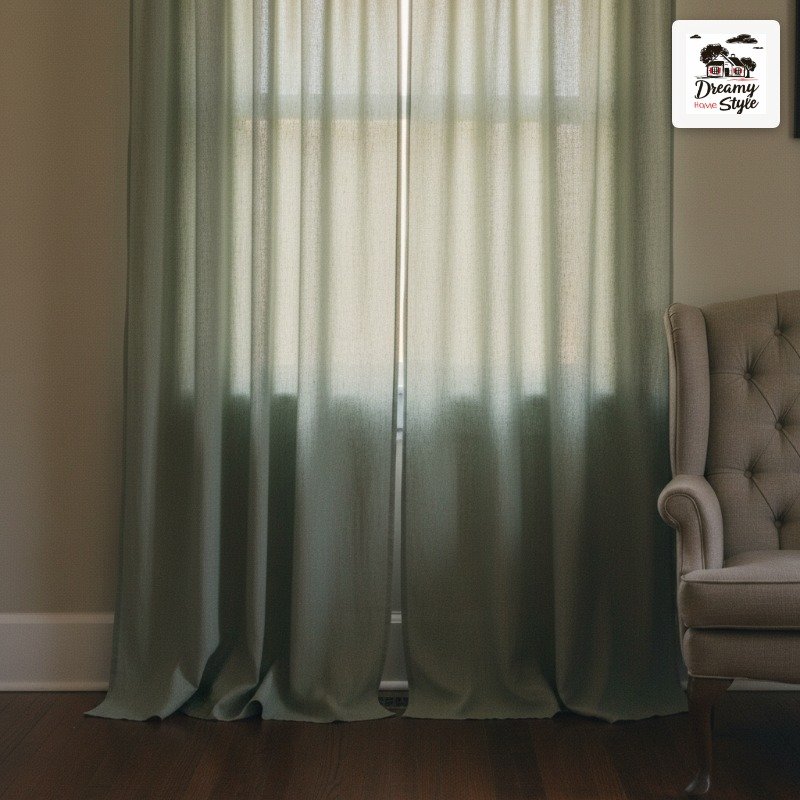
Curtains in this aesthetic are floor-length, slightly pooling, and heavy feeling.
Linen, velvet, or wool.
Nothing sheer and billowy, nothing blackout panel from the Container Store.
The color should blend into the room, not pop.
Dusty sage, faded cream, deep moss green, or a muted warm taupe.
You want them to look like they came with the house.
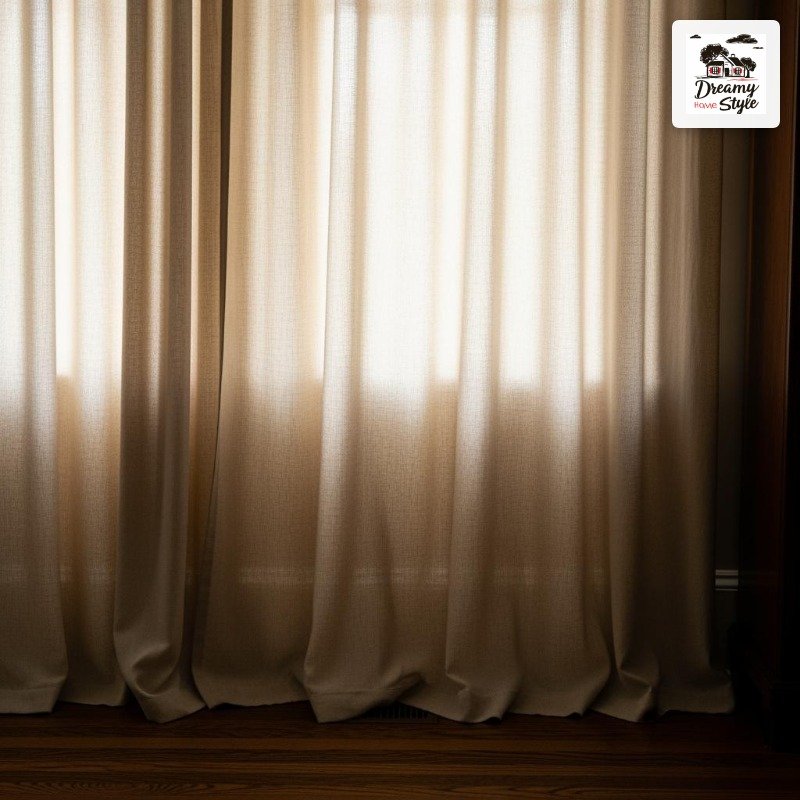
I hung mine as high and as wide as possible (a trick I’ve been using forever) and they make my 9-foot ceilings look like 12.
Genuinely.
IKEA has decent linen-look panels for under $40 a pair if you’re on a budget.
I steam them, hang them high, and nobody has ever guessed they weren’t expensive.
Artwork That Looks Inherited Not Ordered Online
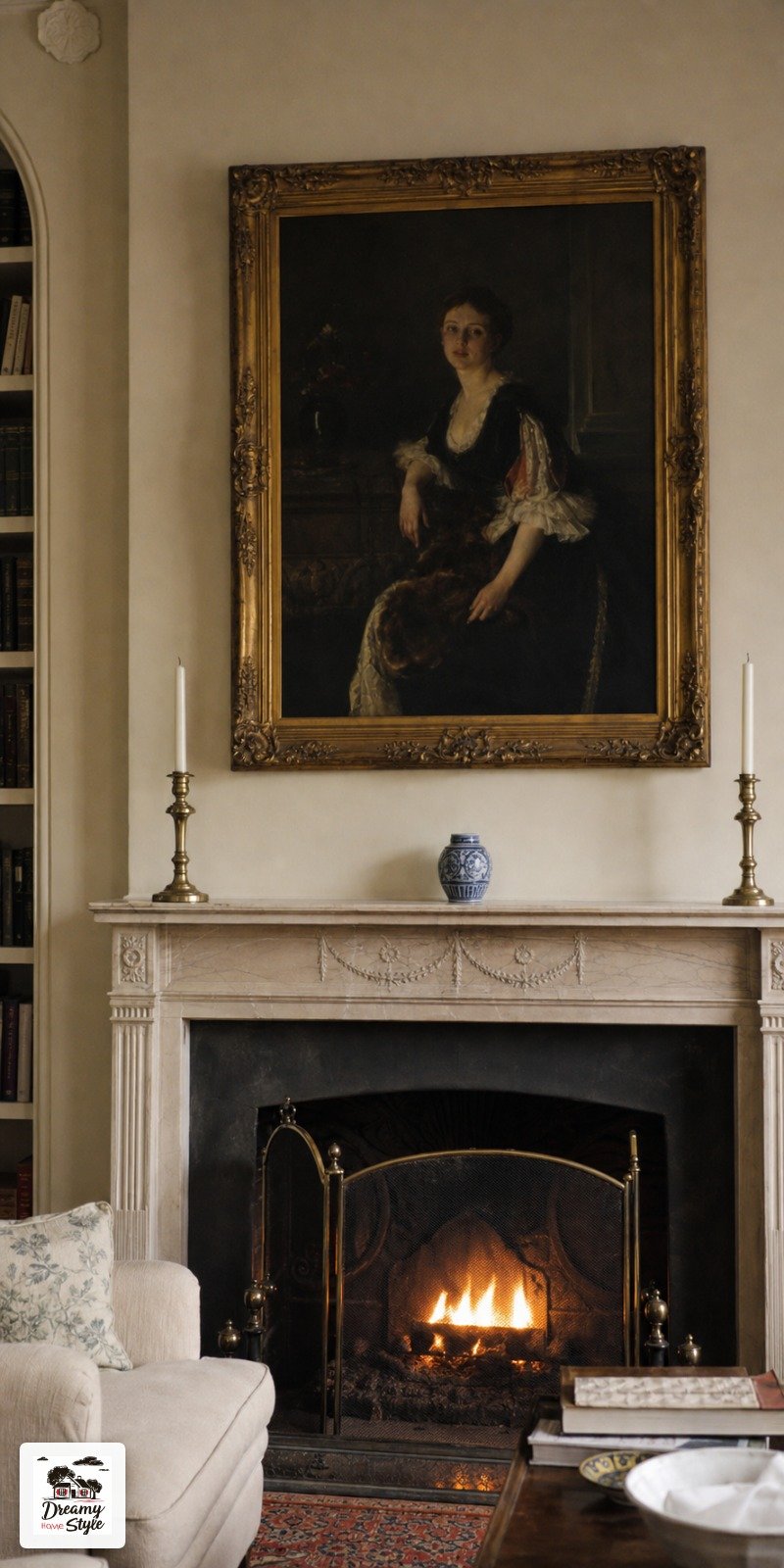
The art in an old money room looks like no one picked it out specifically for the wall.
It looks like it arrived from somewhere else and found a home there.
Oil paintings, even small ones.
Portraits of people nobody in the household actually knows.
Botanical prints in dark wood frames.
A landscape that could be anywhere in rural England or Virginia.
I have a $9 thrift store portrait of a stern-looking man I’ve named Gerald.
He hangs above my fireplace in an ornate gold frame and I love him.
He gives the room credibility I definitely didn’t earn.
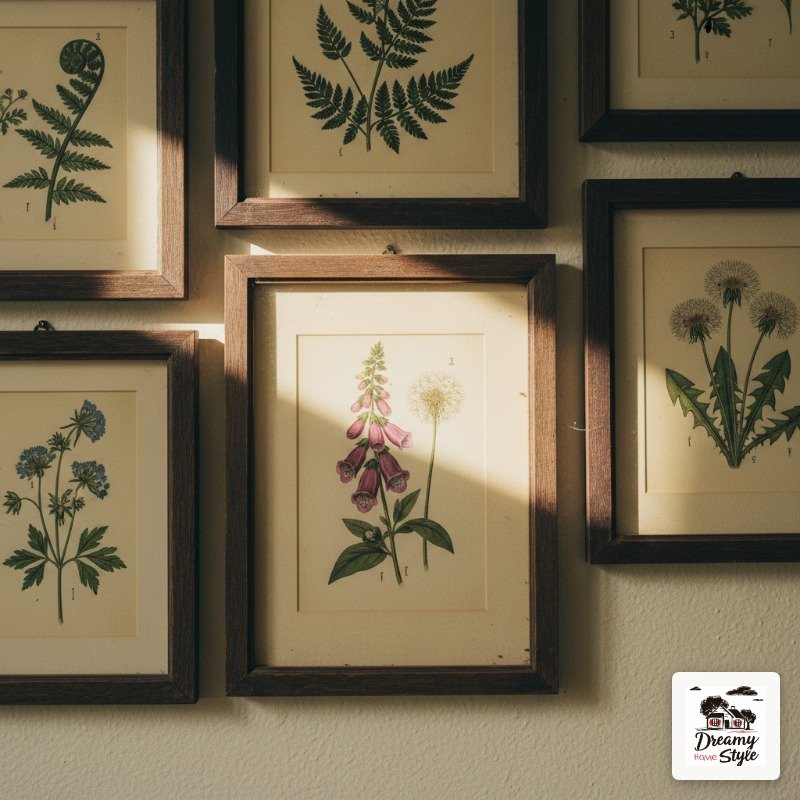
Frame everything in dark wood or aged gold.
Matching frames are fine, consistent frames are better.
What you want to avoid is a gallery wall that looks like it was assembled with a ruler and a Pinterest tutorial.
The Fireplace Is the Centerpiece and You Have to Commit to It
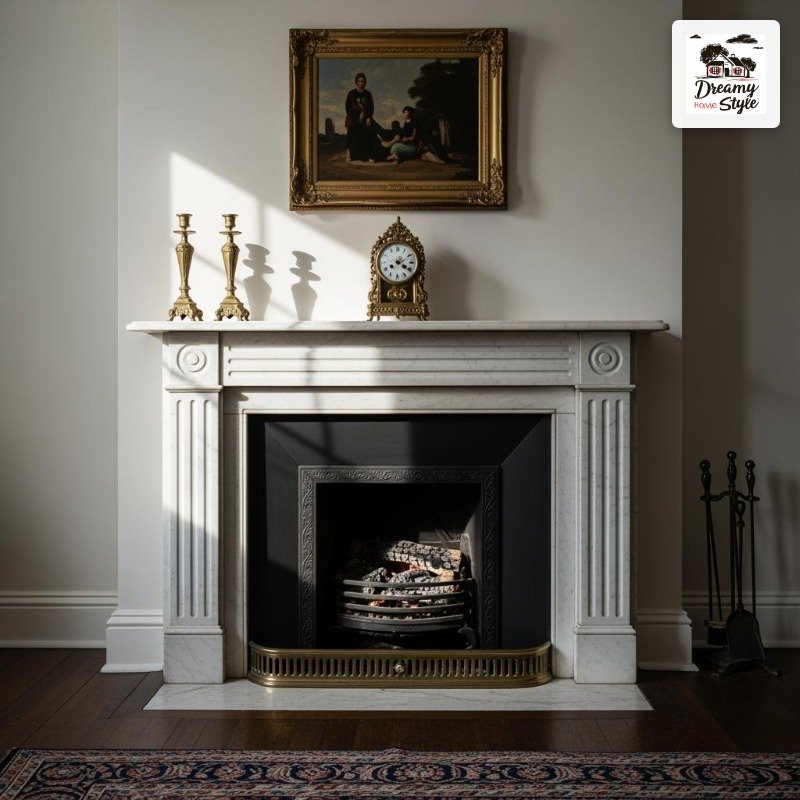
If you have a fireplace, every single decision in the room should lead your eye there.
That’s it.
That’s the whole design principle.
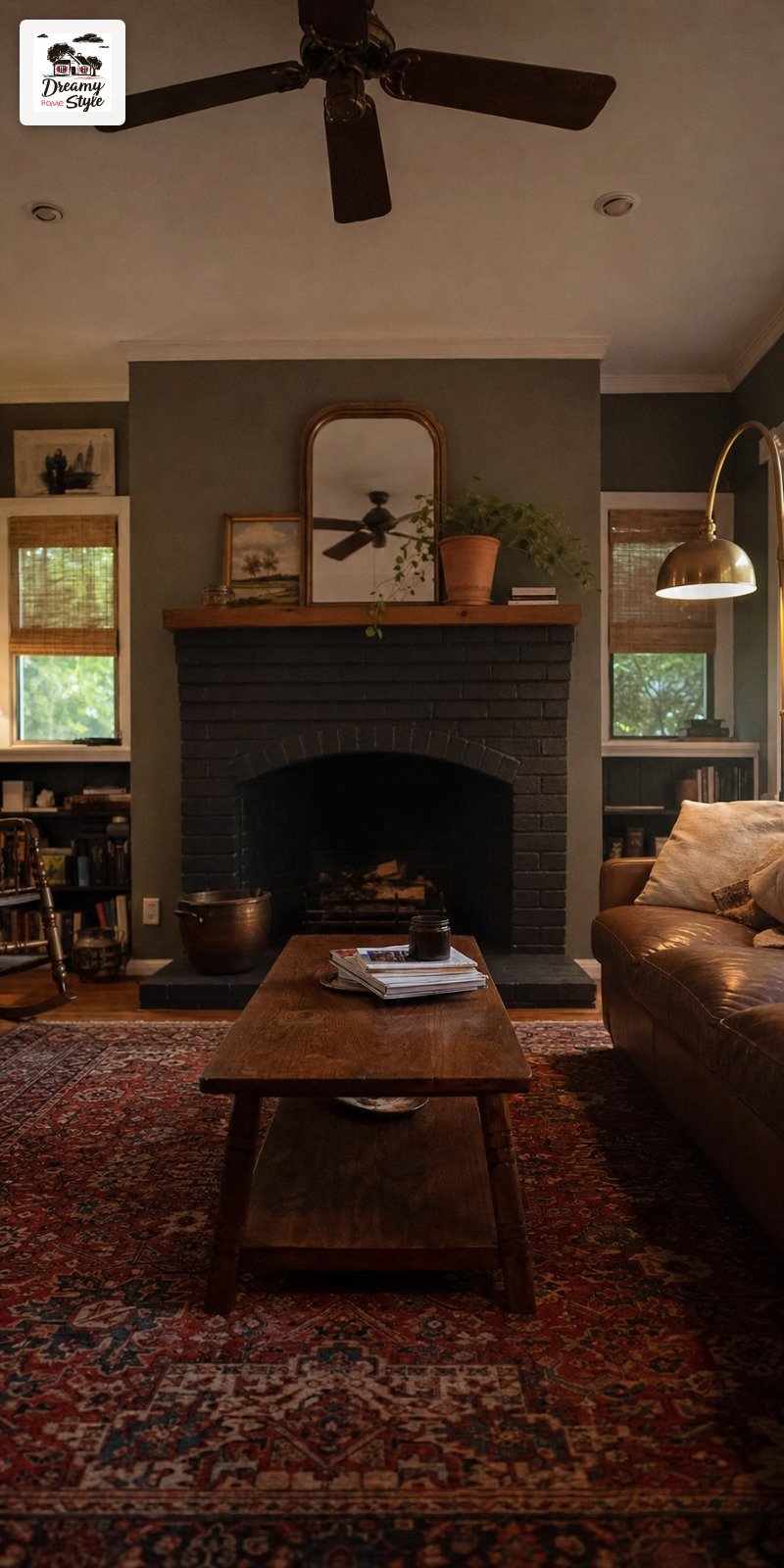
Mantle styling matters so much in this look.
Think: one or two brass candlesticks, a clock (a real one, not decorative), a small stack of books, maybe a piece of simple art above.
Not a crowded shelf of stuff.
I repainted my brick fireplace in a deep charcoal gray and it was the best $20 I ever spent on this room.
The whole space anchored itself instantly.
If you don’t have a fireplace, a heavy console table styled similarly against a main wall can do a lot of the same work.
But I won’t pretend it’s the same thing.
It’s not.
Textiles Are Where You Build All the Warmth
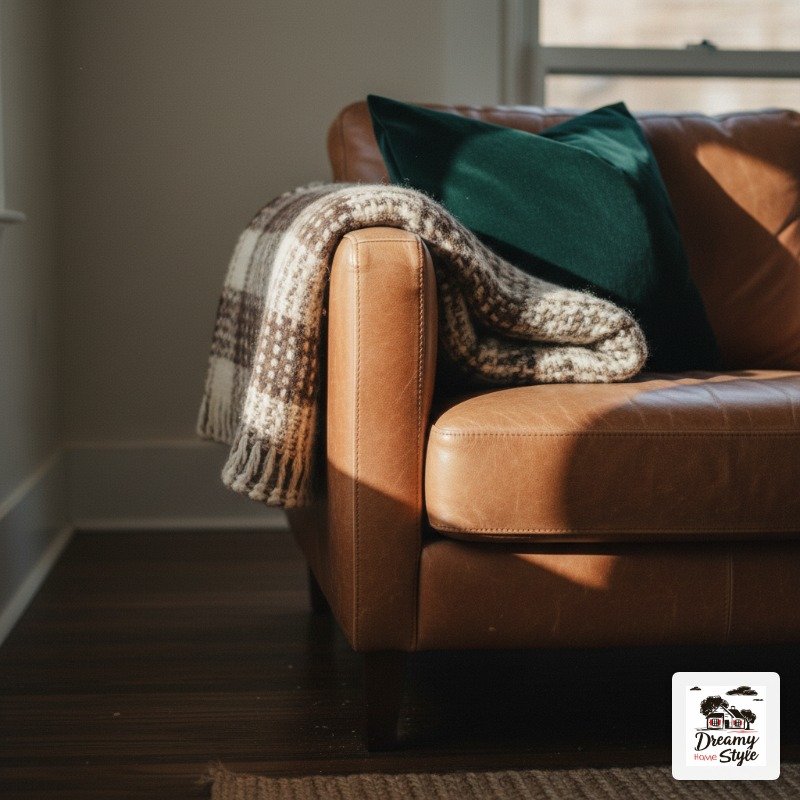
Cashmere, wool, linen, velvet.
Those are basically the only four words you need in this category.
Throw pillows should feel heavy and a little substantial.
Not the fluffy microfiber ones.
A good wool plaid pillow or a velvet pillow in a deep jewel tone does so much more.
I layer a chunky wool throw over the arm of my sofa and Biscuit has claimed it entirely.
It’s covered in golden retriever fur.
I choose to believe this adds to the lived-in look.
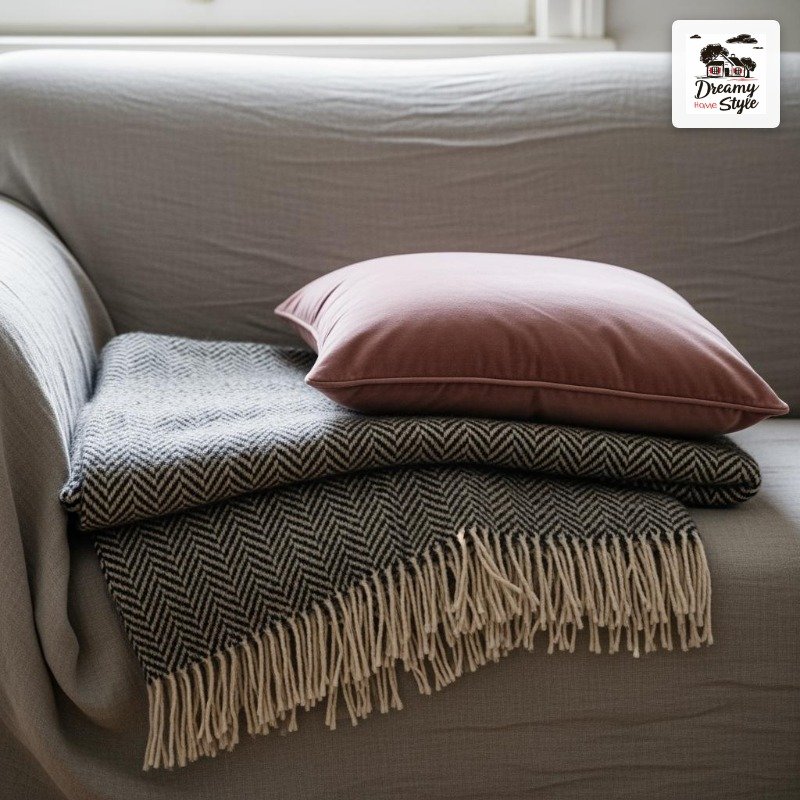
Texture contrast is really the whole secret here.
A smooth leather sofa with a rough wool throw and a silky velvet pillow all in the same frame?
That’s what makes a room feel expensive and real at the same time.
Small Antique Objects Do the Heavy Lifting
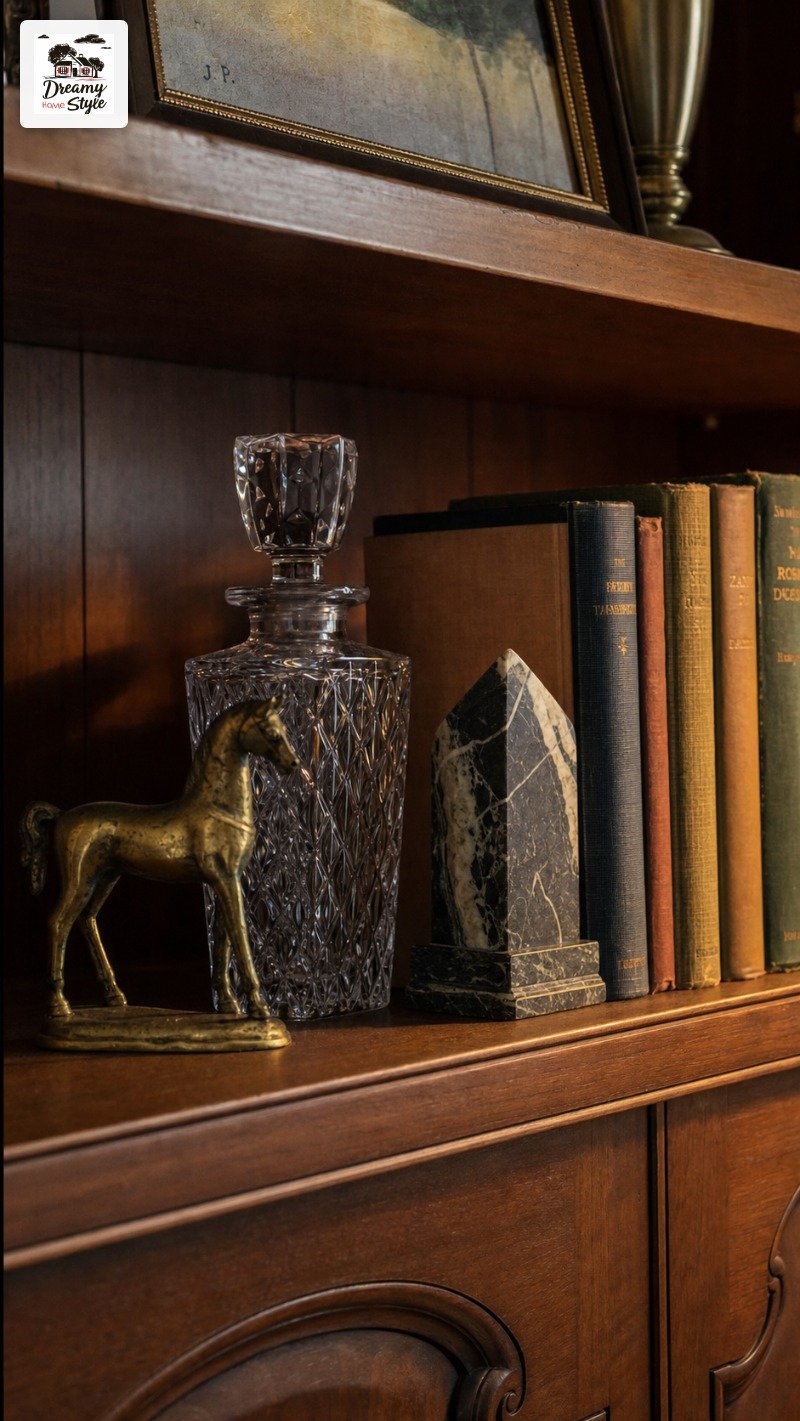
This is where thrift stores become your personal antique market.
You’re looking for small objects that feel old and specific.
Brass animals.
A silver cigarette box.
A crystal decanter.
A marble bookend.
These things cost almost nothing at estate sales and they read as incredibly thoughtful and curated when styled well.
I have a small brass horse on my bookshelf that cost $3.
It is the most-commented-on object in my house.
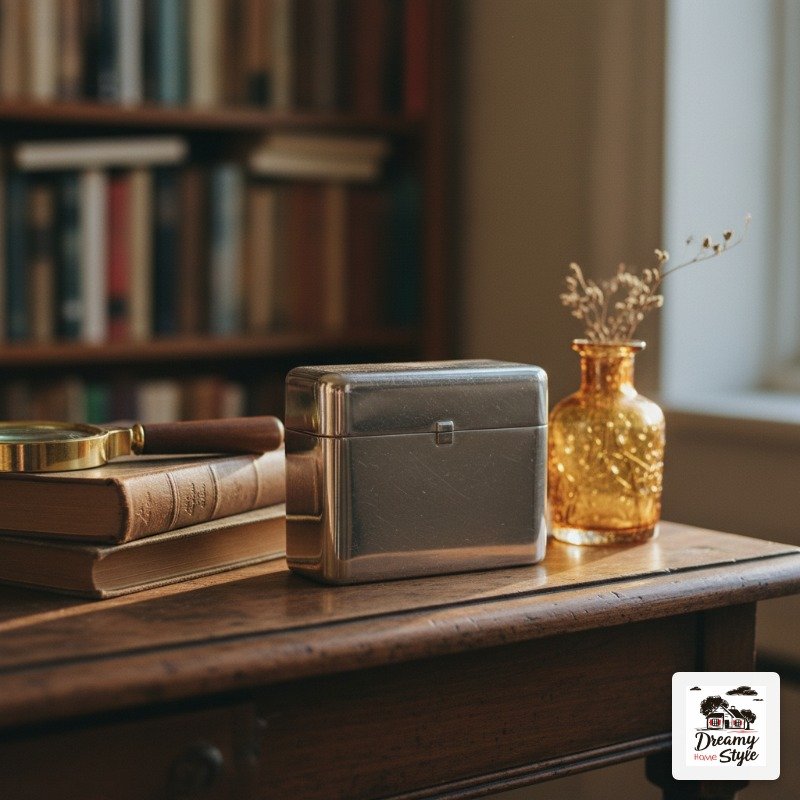
The rule I follow: if it looks like it could have been a gift from someone’s grandmother, it belongs here.
Don’t over-do it though.
A few well-chosen objects on a surface looks collected.
Fifteen objects on a surface looks cluttered.
I’ve made that mistake.
Cleared half the shelf.
Better immediately.
The Mistakes I Made Getting This Look Wrong First
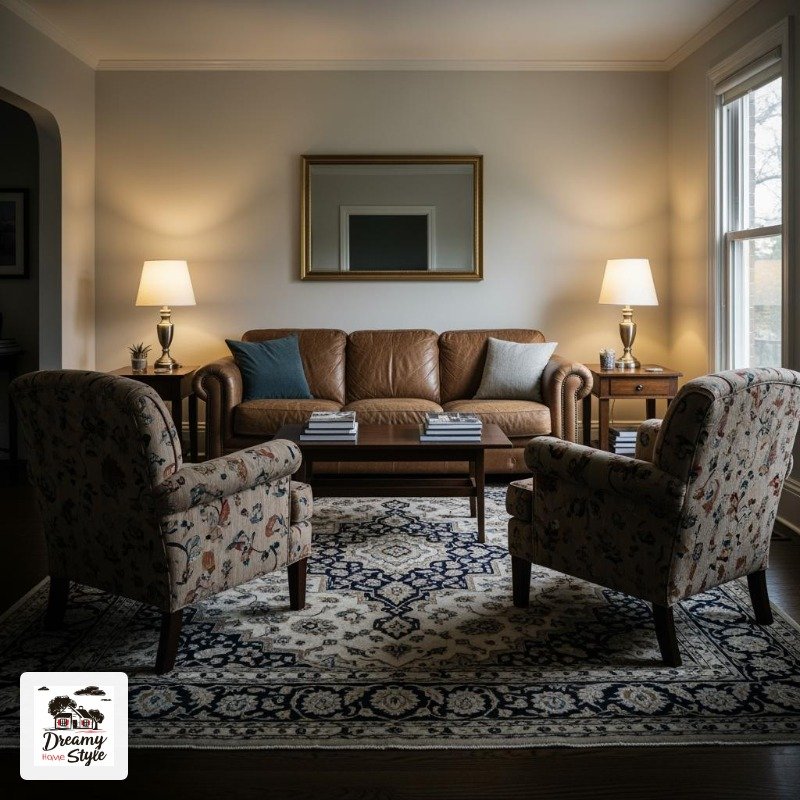
The first time I tried to do ‘old money style’ I basically just bought a bunch of dark things and put them in a room together.
It looked gloomy and sort of chaotic.
Not the vibe.
The mistake was not paying attention to scale.
I had a too-small rug (classic mistake, do not buy anything smaller than 8×10 for a main living room), a lamp that was too short, and furniture pushed against the walls like a waiting room.
Pull your furniture in from the walls.
That one thing alone made my room feel like a real designed space instead of a motel room.
Also — and I cannot stress this enough — don’t try to make everything match.
The matchy-matchy living room set from a furniture store is the enemy of this look.
Mismatch is the point.
Mismatch is what makes it feel real.
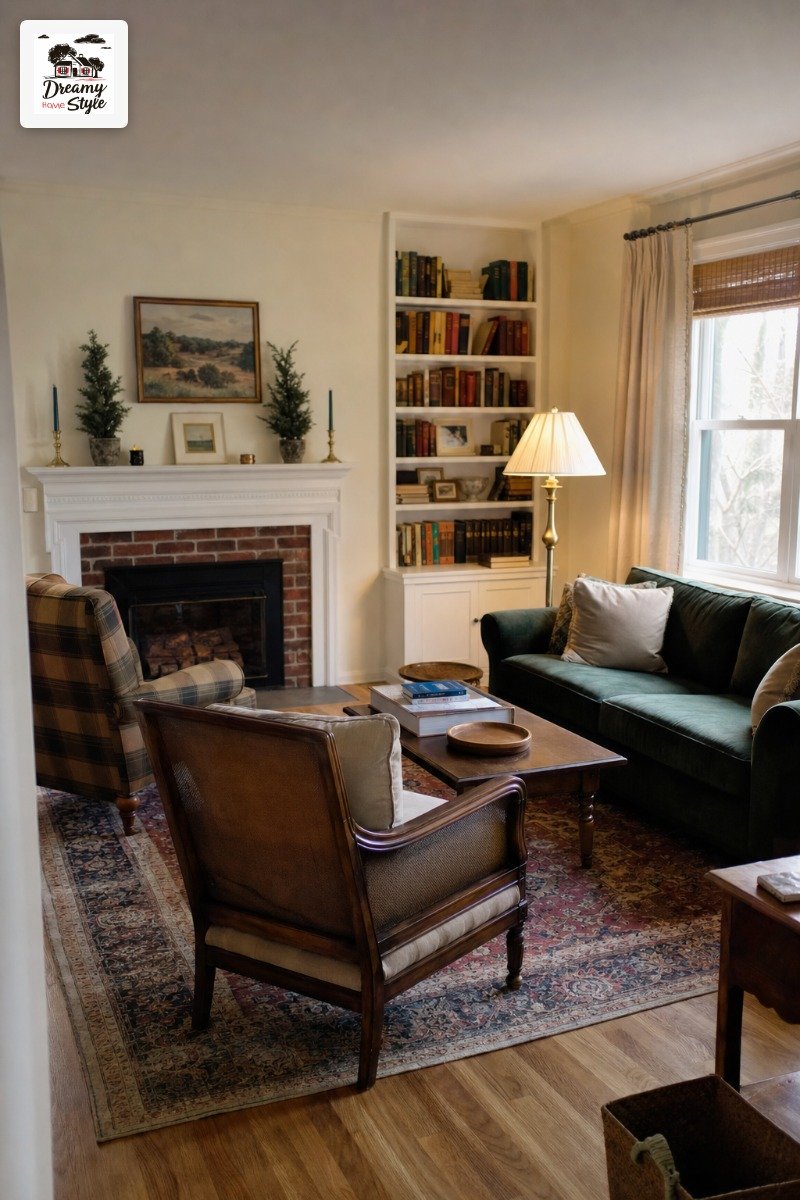
How to Start Without Buying Everything at Once
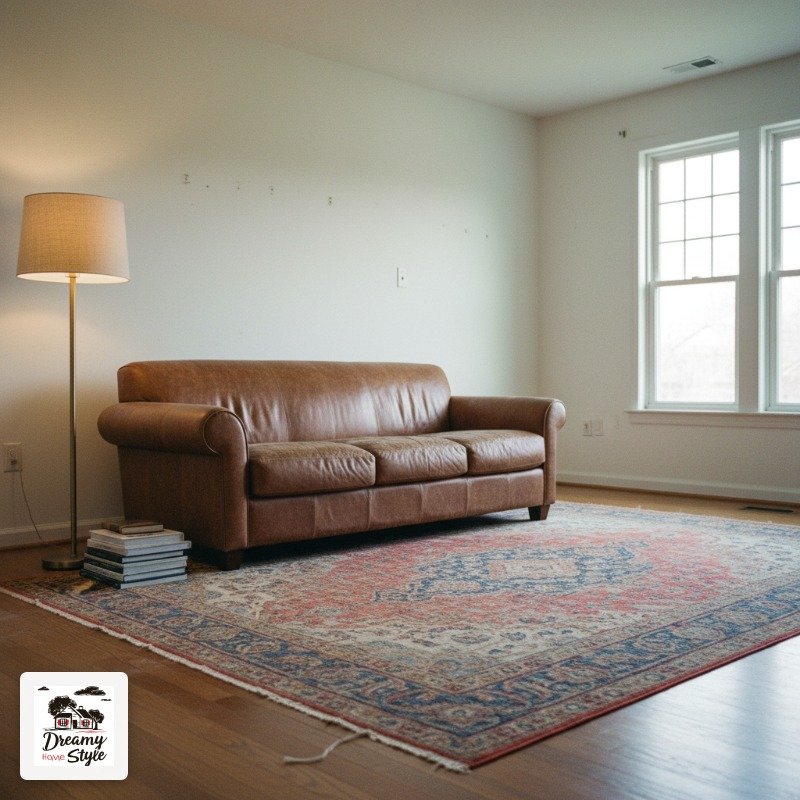
Start with the rug.
Seriously.
Get the rug first and build everything around it.
It’ll tell you what colors to bring in and what furniture to look for.
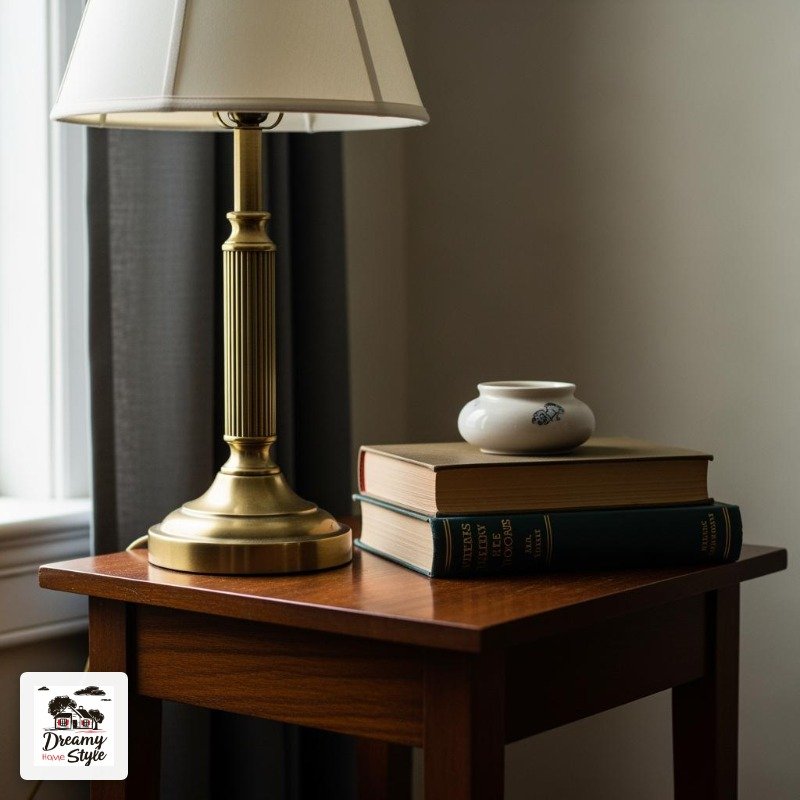
Then lamps.
Replace whatever overhead-dependent situation you have going on with at least two portable light sources.
This alone will change how your room feels at night.
Immediately.
Like that same evening.
After that, books and small objects.
These cost almost nothing and fill in the personality of the space in a way that’s hard to explain until you’ve done it.
I’ve been working on my living room for over a year and it’s still not ‘done.’ Honestly, I don’t think it ever should be.
Rooms that look totally finished look like a hotel lobby.
The best rooms always have a little more somewhere to go.
Related read: The IKEA Kallax Bible — Instant PDF + Kindle download. Secure checkout by Stripe