I killed a cactus once.
A cactus.
The plant that literally survives the desert, and I managed to overwater it into a sad, mushy situation on my kitchen windowsill.
So when I tell you I’ve figured out how to use houseplants to make a room look genuinely expensive, know that I earned this knowledge through loss.
Real, leafy loss.
But here’s the thing nobody tells you — it’s not about having a green thumb.
It’s about knowing which plants photograph like they cost a thousand dollars and actually look good doing nothing but existing in a corner.
Biscuit has knocked over approximately half of these.
Most survived.
That’s my quality test.
Why Plants Make a Room Feel Rich (It’s Not What You Think)
It’s not the plant itself.
It’s the life.
A room with a big, healthy plant in it signals that someone actually lives there and pays attention — and that reads as luxurious without costing anything close to what real luxury costs.
I figured this out after I spent three weekends trying to make my living room look more ‘done.’ New throw pillow.
Rearranged the bookshelf.
Bought a $6 frame at Goodwill.
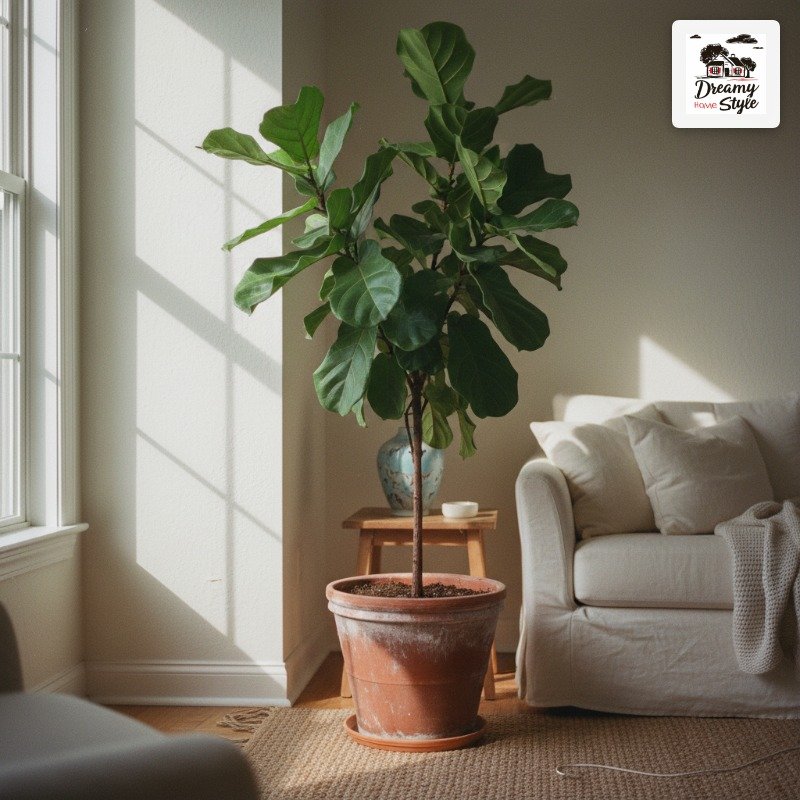
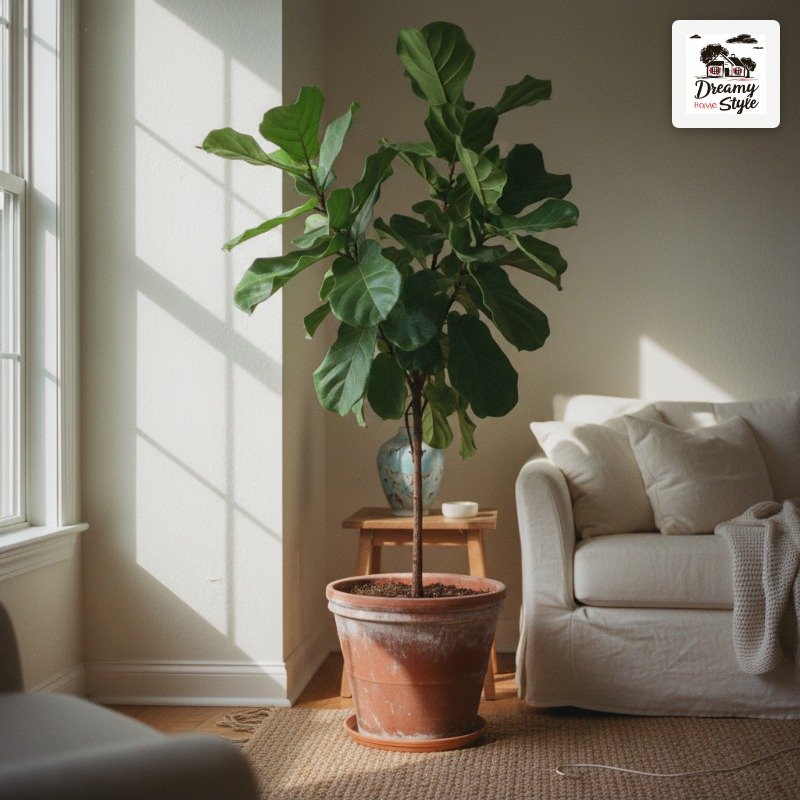
Nothing clicked until I moved a big fiddle leaf fig into the corner by the window and suddenly the whole room looked intentional.
Plants add scale, texture, and that organic softness that no amount of decor shopping fully replaces.
And honestly?
A $30 plant in a good pot outperforms a $30 decorative object every single time.
Not every plant gives you that effect, though.
Some just look… scraggly.
So I’ve been very deliberate about which ones actually pull their weight visually.
Fiddle Leaf Fig: The Diva Who’s Worth It
I know, I know.
Everyone has a fiddle leaf fig story and half of them end in tragedy.
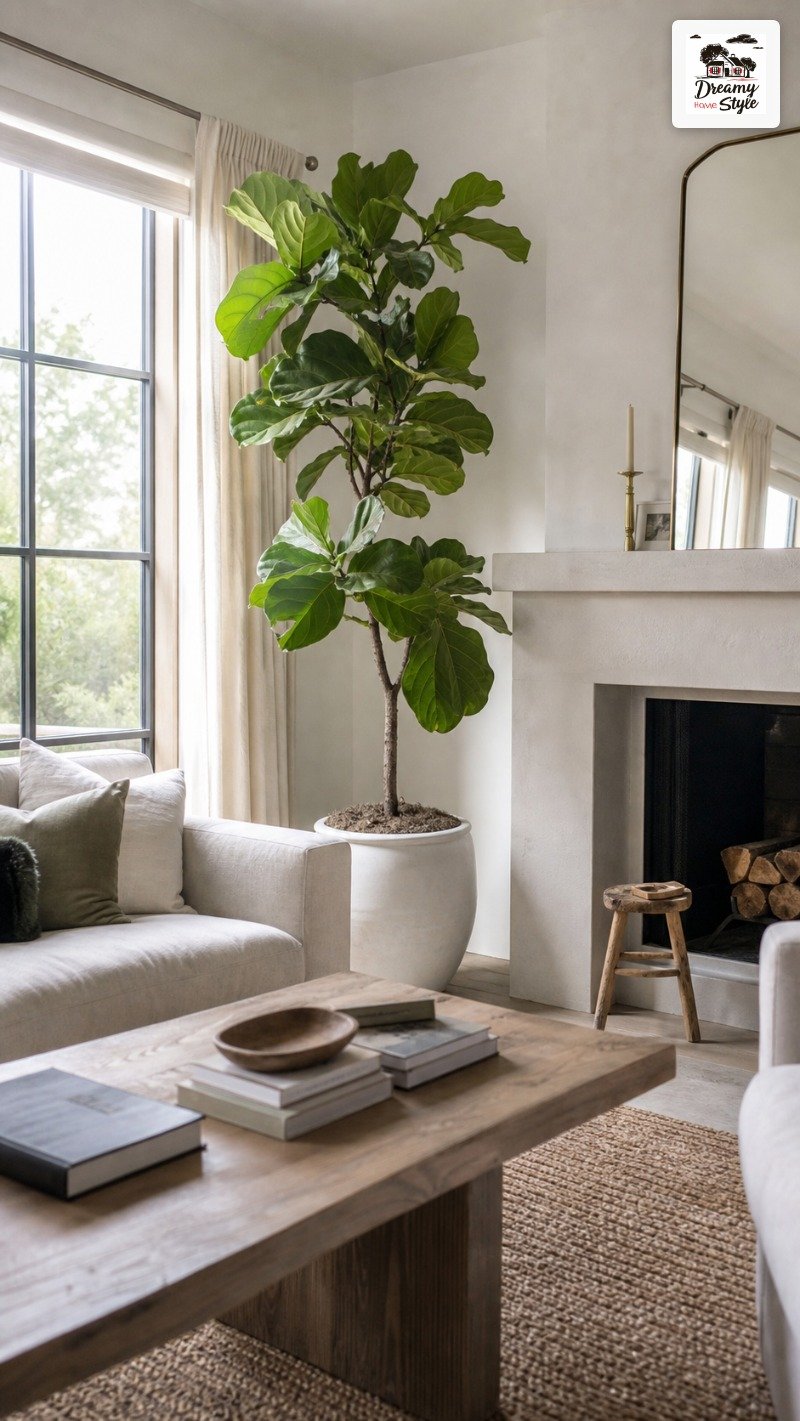
Mine ended in triumph, but only after I accepted that this plant has exactly one job — look beautiful — and exactly one rule — do not move it.
Mine is in a woven basket planter in the corner of my living room that gets indirect light from the east-facing window.
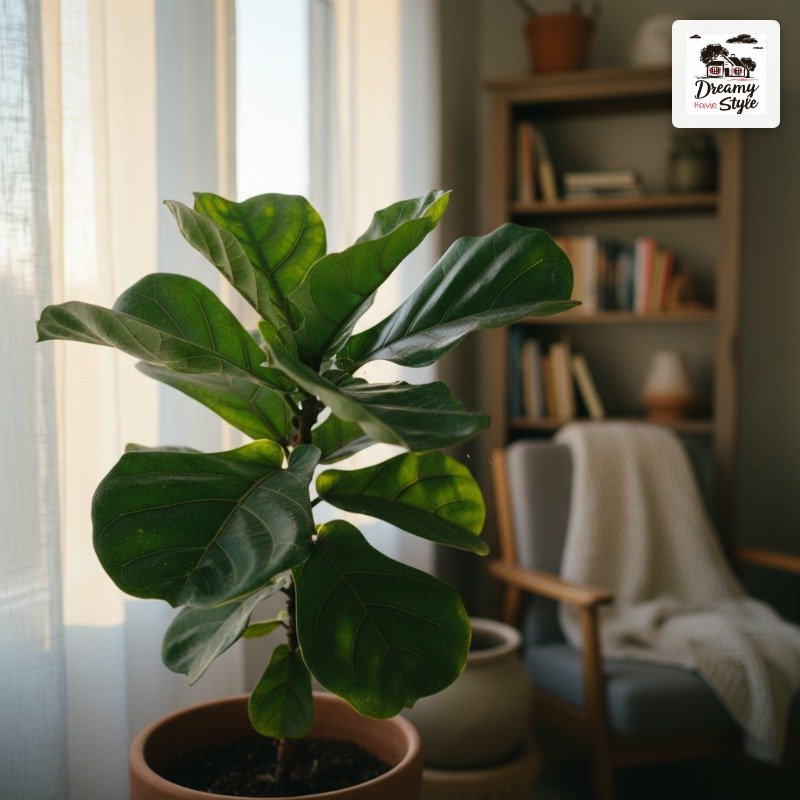
It’s been there for two years and I have not touched it except to wipe the leaves with a damp cloth every few weeks (game changer, actually — shiny leaves look way more expensive than dusty ones).
The scale is everything.
A small fiddle leaf looks sad and confused.
You want at least a four-foot plant, ideally five or six.
It fills vertical space in a way that makes ceilings feel taller.
Worth every dramatic reputation it has.
Monstera Deliciosa: My Most-Complimented Plant
Every single person who comes to my house asks about my monstera.
Every.
Single.
Time.
And I got it for $18 at a local plant nursery three years ago.
It’s now massive and dramatic and I genuinely love it more than some furniture I’ve bought.
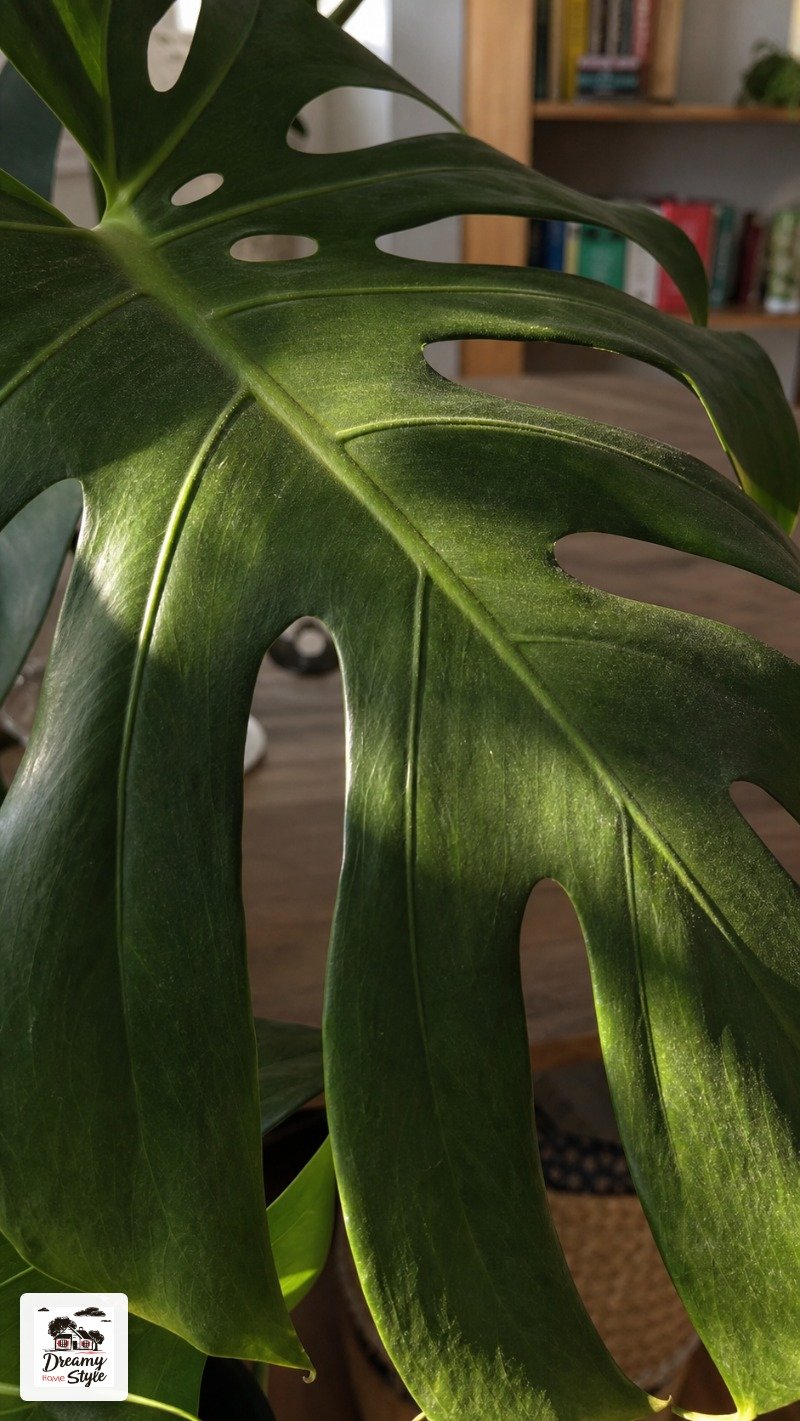
The split leaves are the thing.
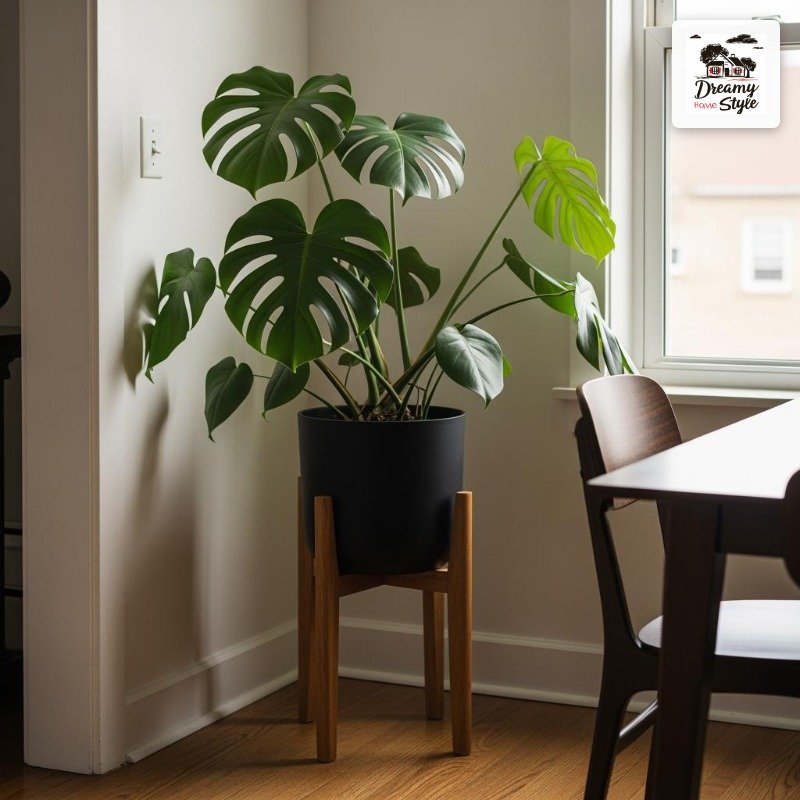
They’re architectural in a way that most plants just aren’t — they look like someone designed them on purpose, which makes them feel expensive even in a basic pot.
I have mine in a matte black planter on a little wooden plant stand in the corner of my dining room.
The contrast of the dark green leaves against my warm white walls is so good.
I kind of can’t believe it’s a $20 plant.
Give it bright indirect light, water it when the top inch of soil is dry, and let it do its thing.
It practically styles itself.
Snake Plant: The One I Recommend to Everyone
If you’ve killed plants before and you’re scared, start here.
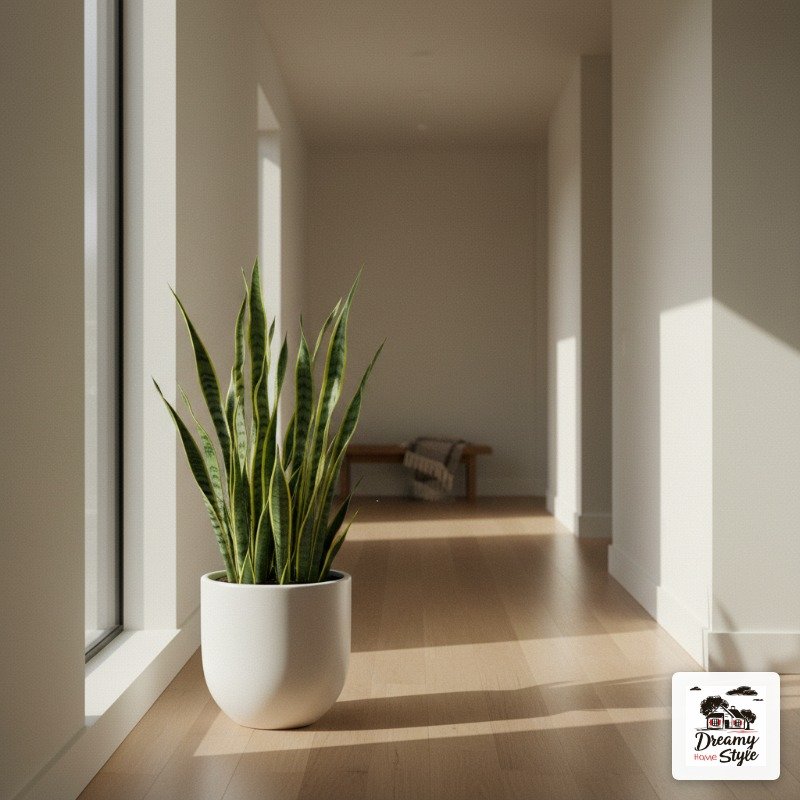
The snake plant (also called sansevieria, but honestly that’s a lot to say) is nearly indestructible and looks incredibly sleek.
I have a tall one in my bedroom hallway — the narrow stretch that gets almost no natural light.
It’s been there for over a year.
Still gorgeous.
I water it roughly once a month and it hasn’t complained once.
The upright, sculptural shape is what makes it feel high-end.
In a tall cylindrical pot, it looks like something you’d find in a boutique hotel lobby.
Which is exactly the energy I’m going for in my extremely non-boutique 1970s ranch house.
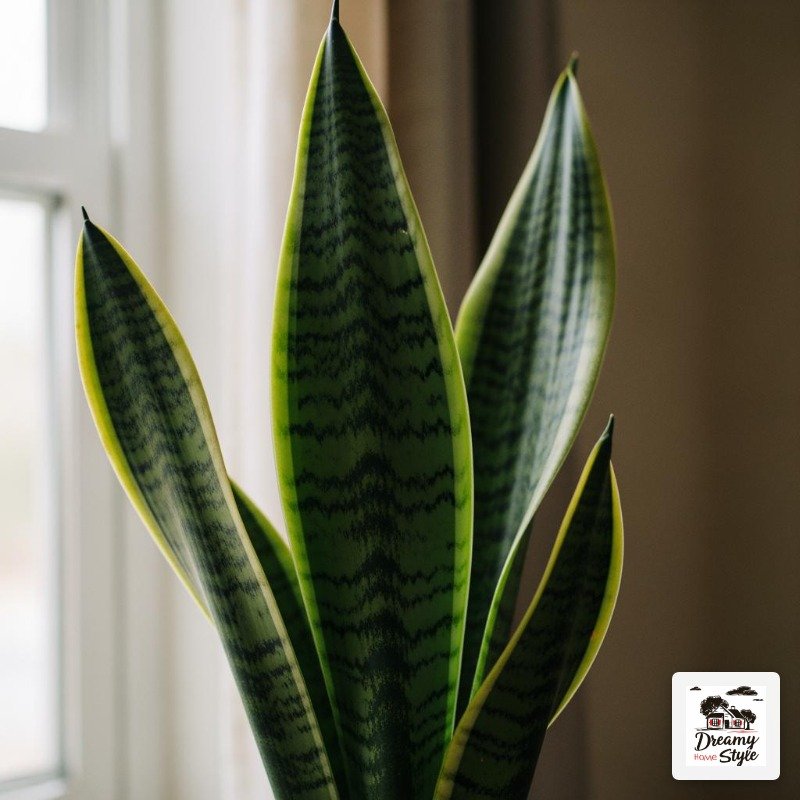
It comes in so many varieties too.
The laurentii with the yellow edges, the moonshine with silvery-green leaves — both look different and both look expensive.
Pothos: The Overachiever in a Trailing Form
Pothos gets underestimated because it’s cheap and easy to find.
But styled correctly?
It looks wildly lush and intentional.
The trick is height.
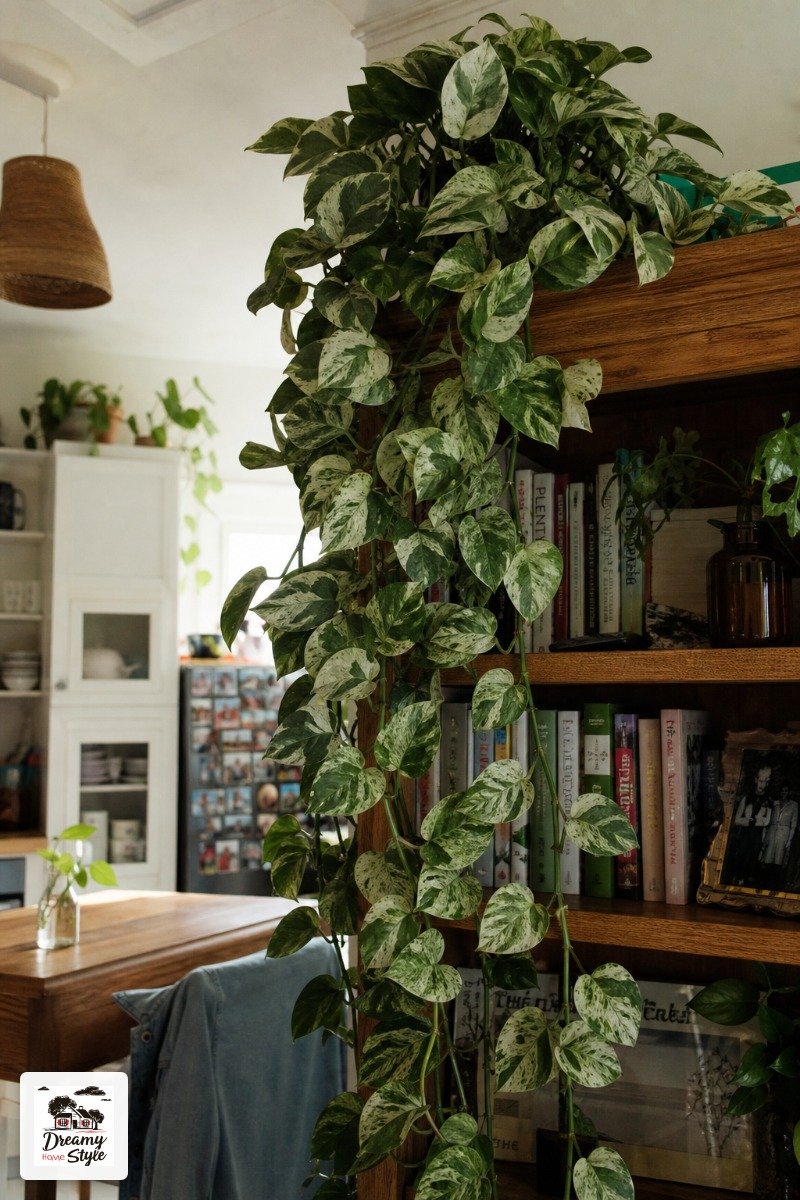
Put your pothos somewhere it can trail DOWN — a high shelf, a tall bookcase, the top of a kitchen cabinet.
Let the vines hang.
It creates this cascading green effect that looks like it belongs in an expensive restaurant.
I have one draping off the top of my fridge right now and I get compliments on my kitchen more than anything else in there.
Golden pothos is the classic, but I’m more into the marble queen variety lately — the white and green variegation is really pretty and it photographs beautifully.
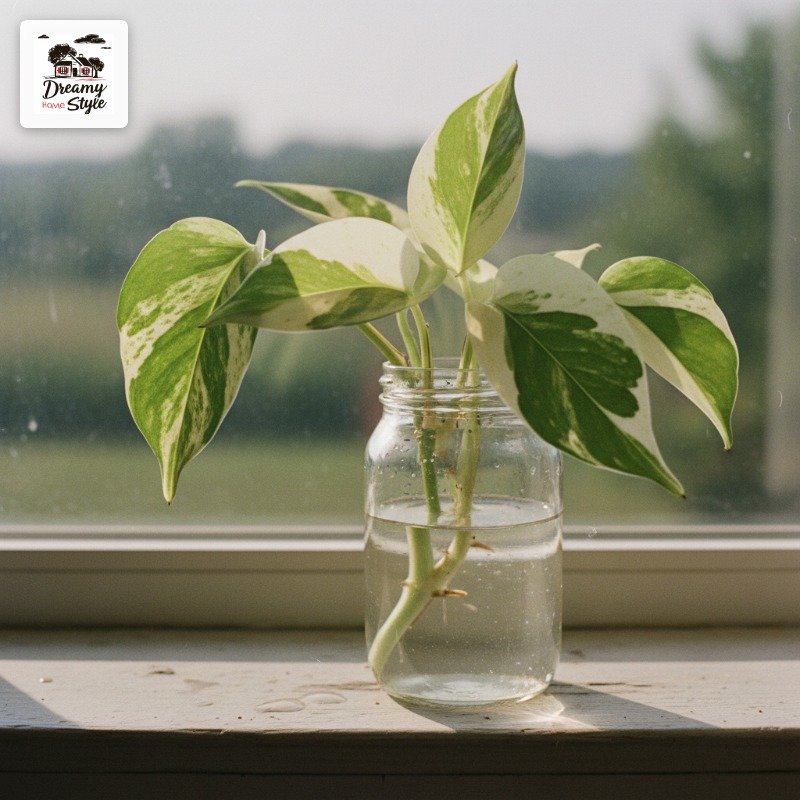
Also, you can propagate it in water and give cuttings to literally everyone you know.
Free plants forever.
I’ve gifted probably thirty pothos cuttings in the last two years.
Olive Tree: It Makes Every Room Feel Mediterranean and Expensive
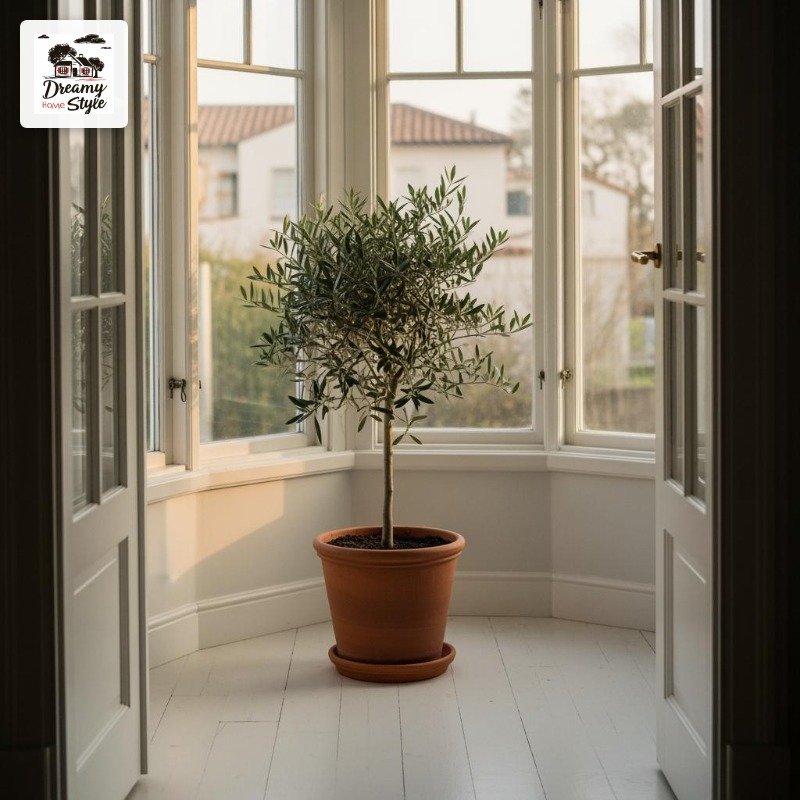
I bought a small indoor olive tree at Target of all places — it was $34 — and it immediately made my sunroom look like I’d hired a decorator.
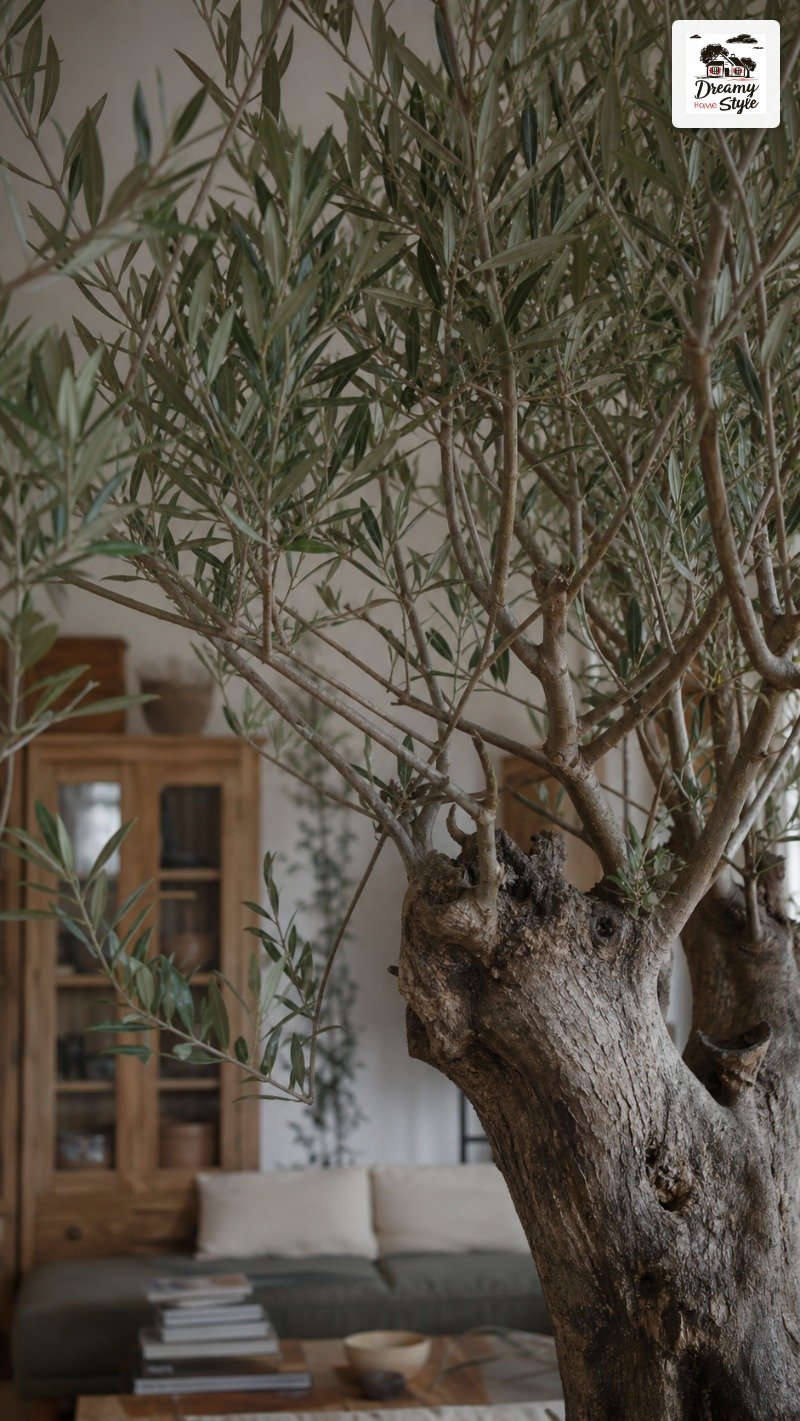
Something about the silvery-green leaves and that gnarled little trunk reads as Mediterranean and grown-up in a way that just works.
It has this natural, wild quality that still looks totally intentional.
I put mine in a terracotta pot and it’s honestly one of my favorite things in the house.
They do need a lot of light, so a south or west-facing window is ideal.
Mine gets full afternoon sun and it’s thriving.
If you try to put it in a dark corner it will not be happy — and you’ll know, because the leaves will start dropping.
This isn’t a low-maintenance plant.
But the payoff visually is really high.
Bird of Paradise: When You Want Maximum Drama
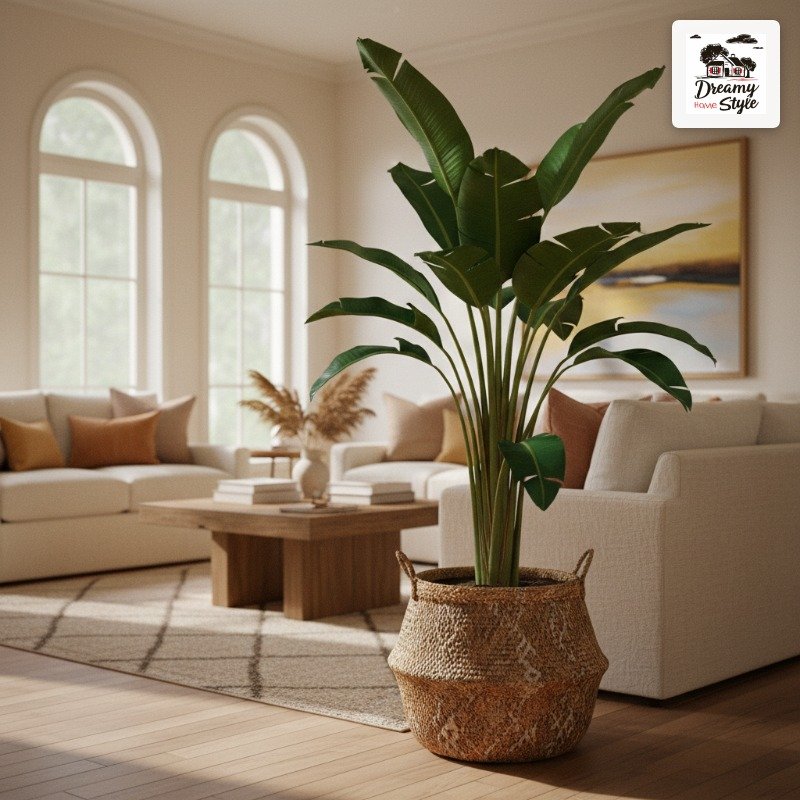
This is the plant that makes people gasp a little.
Big, bold, banana-like leaves on tall stems — it fills a corner the way a piece of furniture does, which is wild because it’s alive and growing.
Mine took a full year to really settle in and start looking impressive, so patience is required.
I almost gave up on it around month four when it was just kind of sitting there looking mediocre.
I’m so glad I didn’t.
It needs bright light.
Like, a lot of it.
I have mine in front of my biggest south-facing window and it’s finally, finally doing the dramatic thing I bought it for.
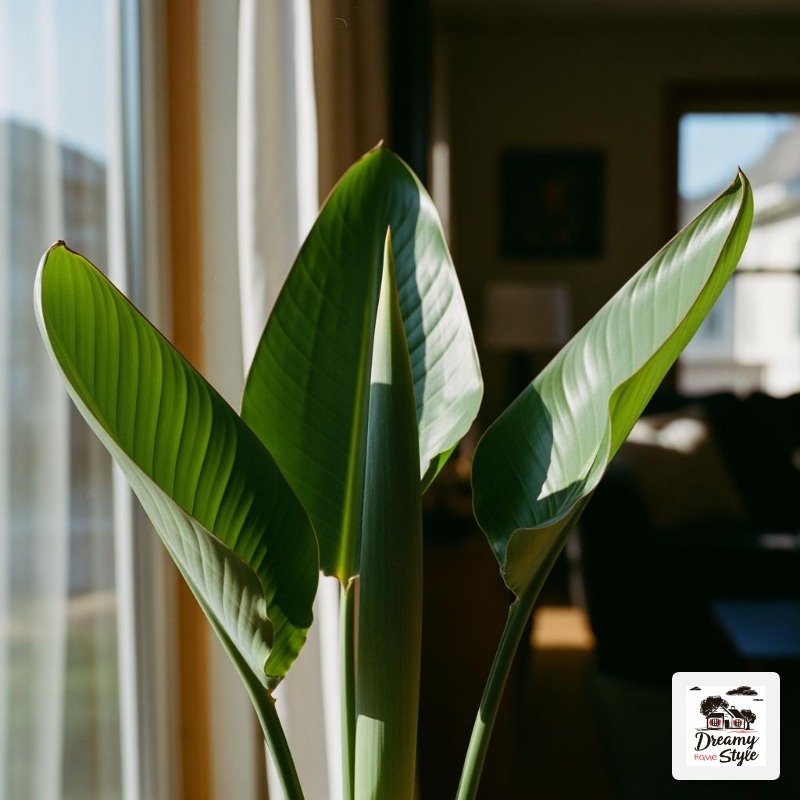
In a large woven or concrete planter it looks genuinely stunning.
This is a long game plant but the payoff is very real.
ZZ Plant: Dark, Glossy, and Almost Intimidatingly Good-Looking
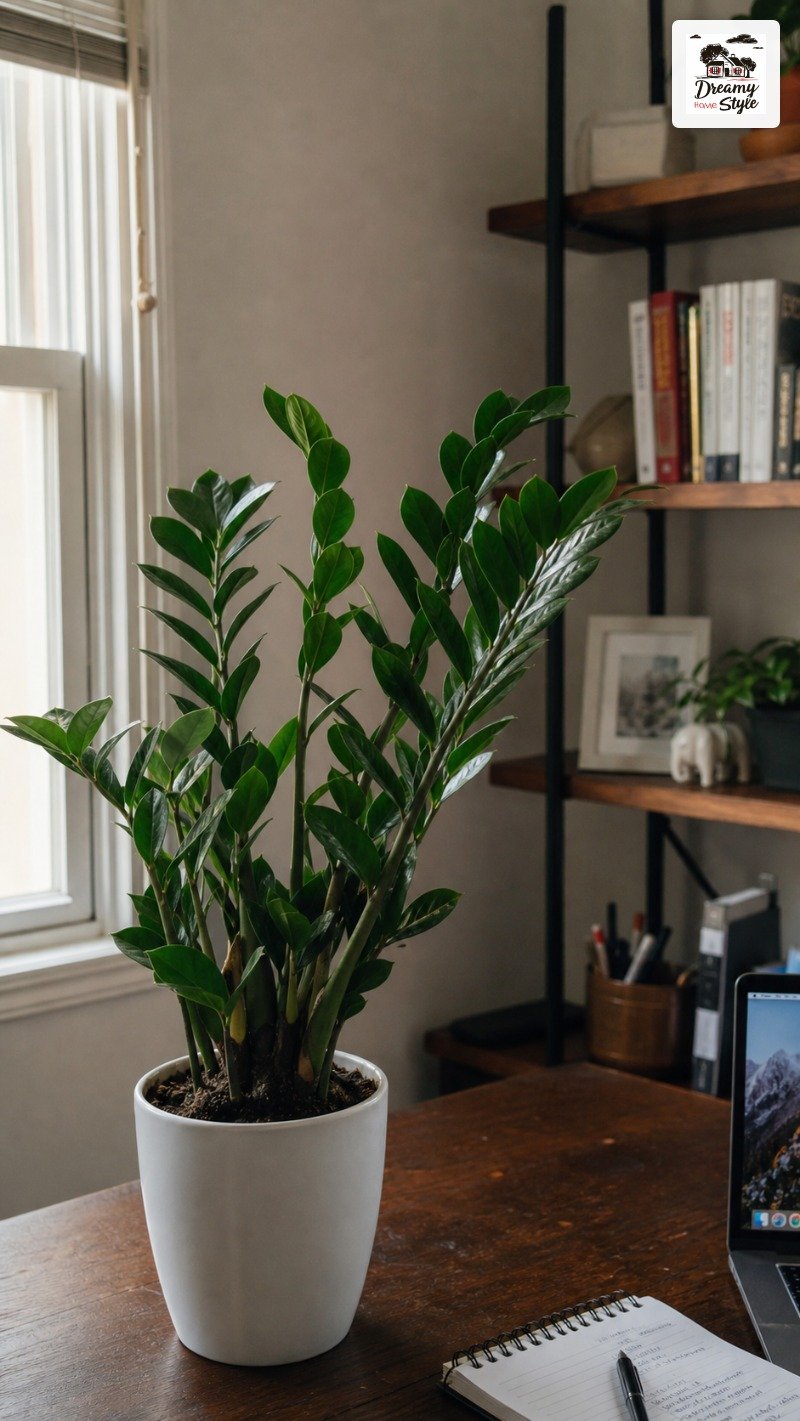
The ZZ plant is basically the cool, low-maintenance friend who always looks put together without trying.
The leaves are such a deep, waxy green that they look almost fake — but in the best way.
Like expensive, lacquered fake.
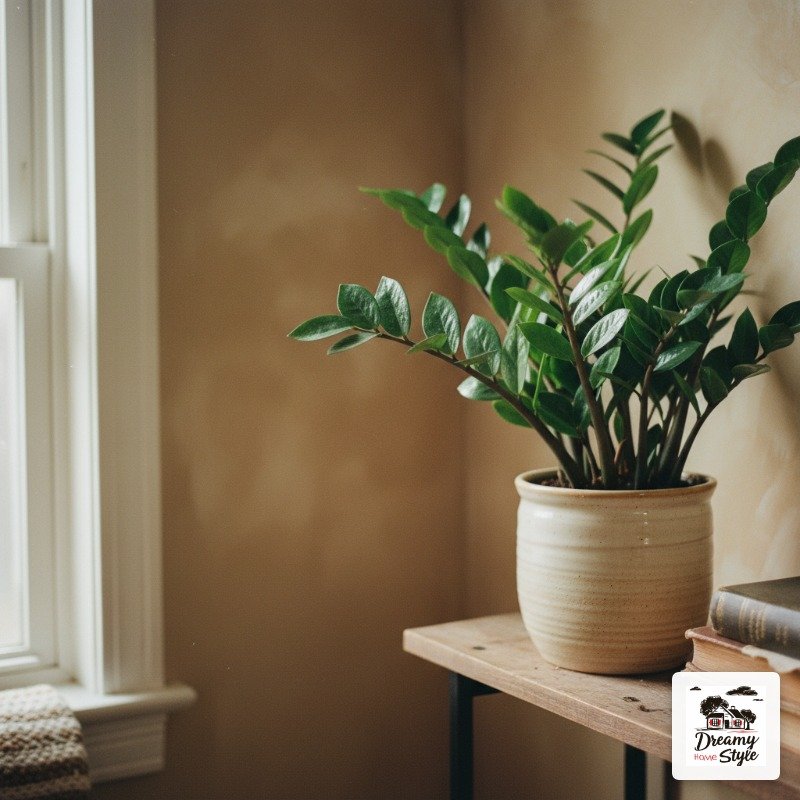
I have a ZZ in my home office in a corner that gets basically no direct sunlight.
It’s been there for eight months and has put out new growth twice.
I water it maybe every three weeks.
In a white pot it looks super modern and clean.
In a terracotta pot it looks more earthy and organic.
Both work.
It’s very adaptable aesthetically, which I appreciate.
The only thing worth knowing: it’s toxic to pets.
Biscuit has shown zero interest in it, but if you’ve got a chewer, keep this one out of reach.
Rubber Plant: That Deep Burgundy Is Doing a Lot of Work
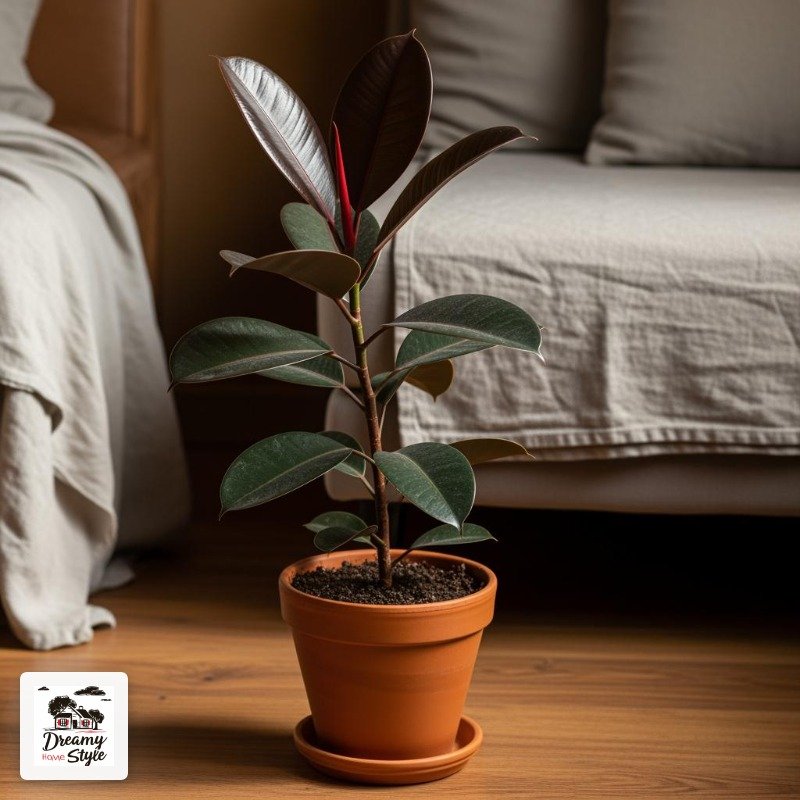
The burgundy rubber plant (Ficus elastica ‘Burgundy’) is one of those plants that people genuinely can’t place at first — like, they know it looks expensive but aren’t sure why.
It’s the color.
Those deep, almost-black burgundy leaves are incredibly dramatic and go with warm neutrals, dark tones, and even blush colors in a way that just feels designed.
I have mine in a terracotta pot in my living room and it ties in the rust and warm tones throughout the space in a way that feels very intentional.
Medium to bright indirect light keeps it happy.
I water mine every ten days or so.
It’s dropped a few leaves when I moved it (classic), but once it settles in it’s pretty chill.
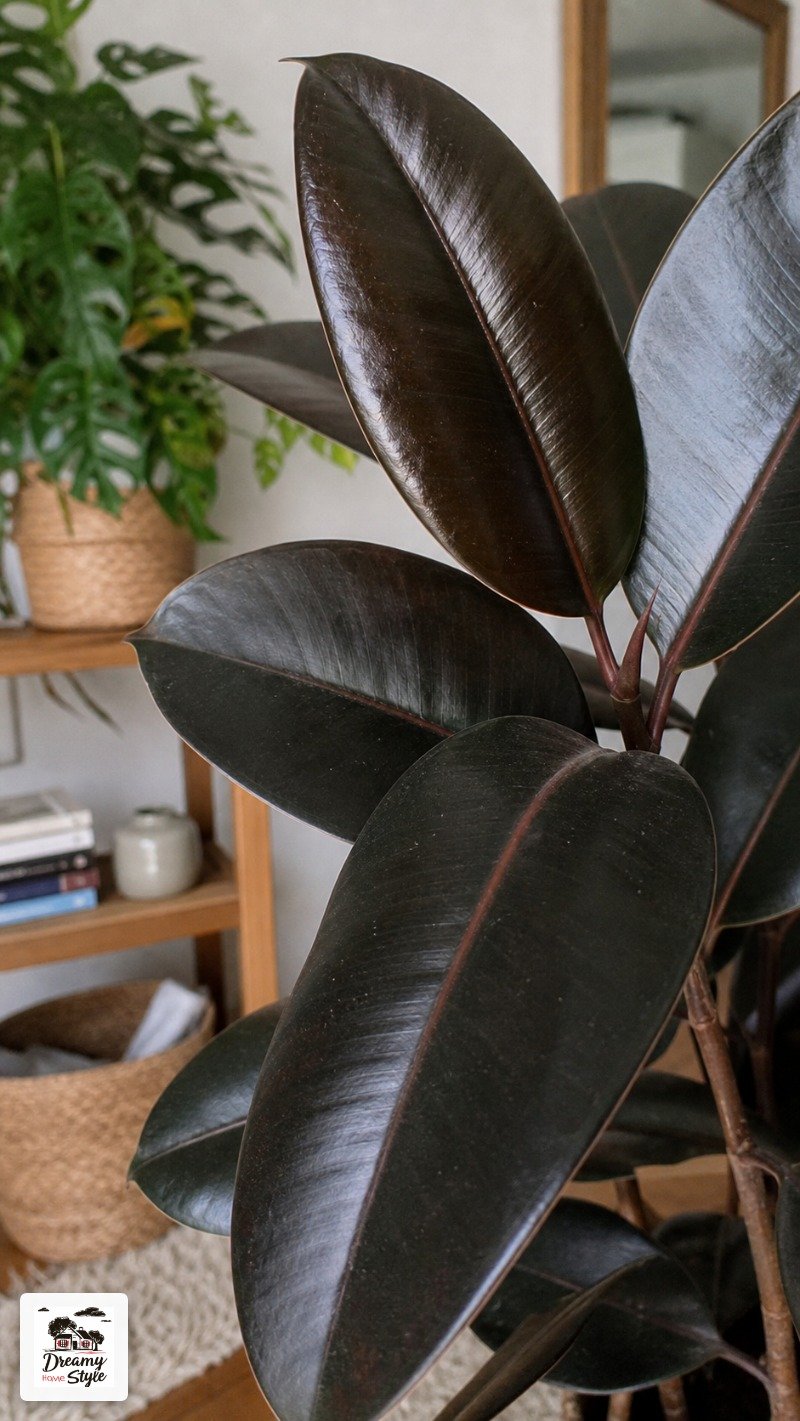
If you’re doing a warm, earthy, or moody interior situation, this is your plant.
Pilea Peperomioides: Small Plant, Big Personality
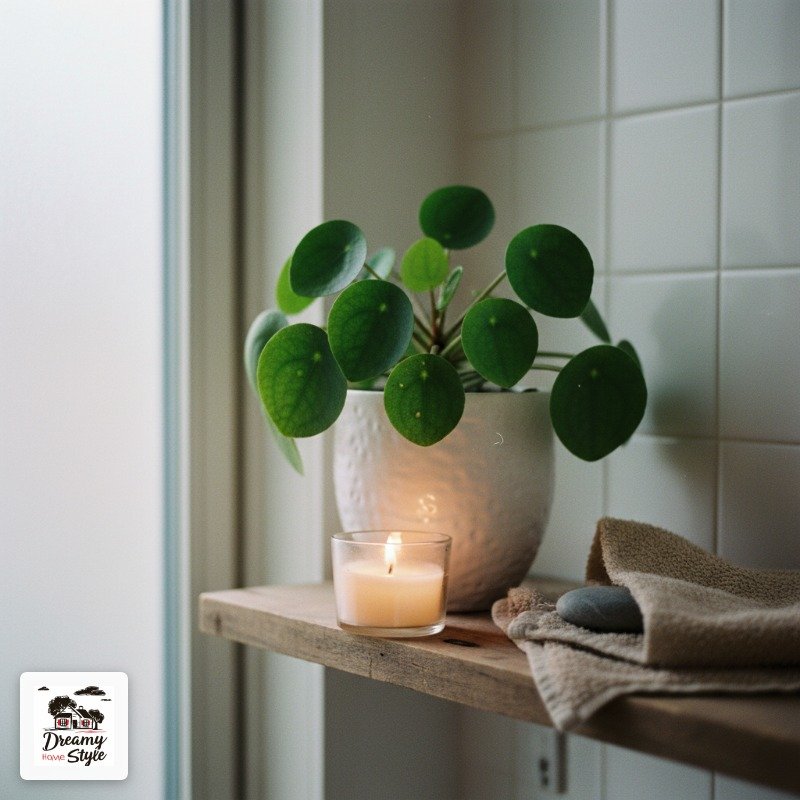
Okay so the pilea — also called the Chinese money plant — is not a big dramatic floor plant.
It’s small.
But it’s so charming and graphic-looking that it punches way above its size.
The round, coin-shaped leaves on long thin stems give it this quirky, sculptural quality that looks really good grouped with other things or shown off solo in a small pot on a shelf.
I have mine on my bathroom shelf next to a little candle and a small woven trivet and the whole vignette is genuinely something I love looking at.
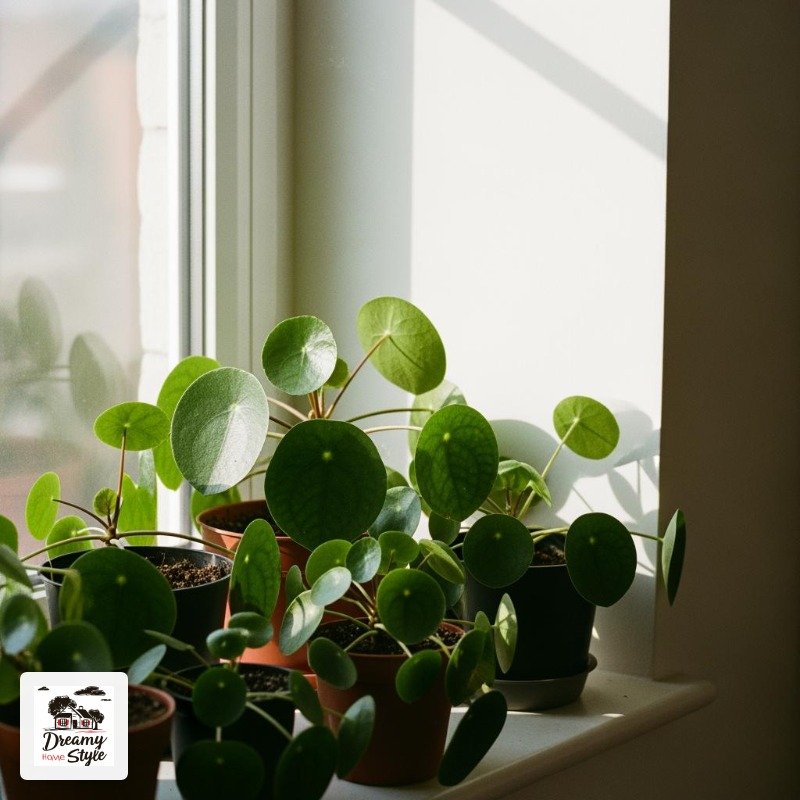
It’s also a very social plant — it throws off little baby plants called ‘pups’ that you can separate and pot up.
I’ve given away so many pilea babies.
Bright indirect light, water when dry.
It’s not fussy.
And it just looks so good.
Calathea: Moody, Patterned, and Absolutely Stunning
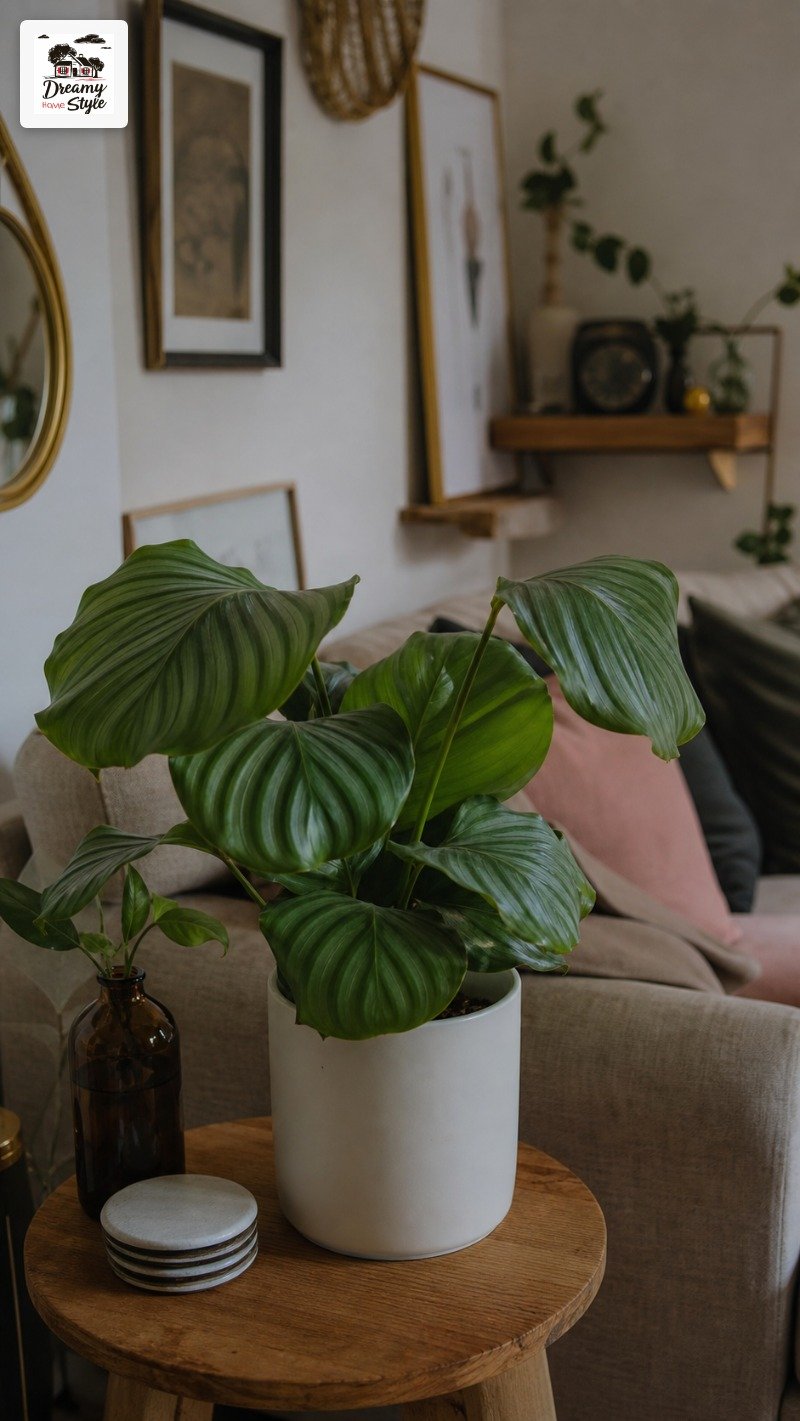
I have a complicated relationship with calatheas.
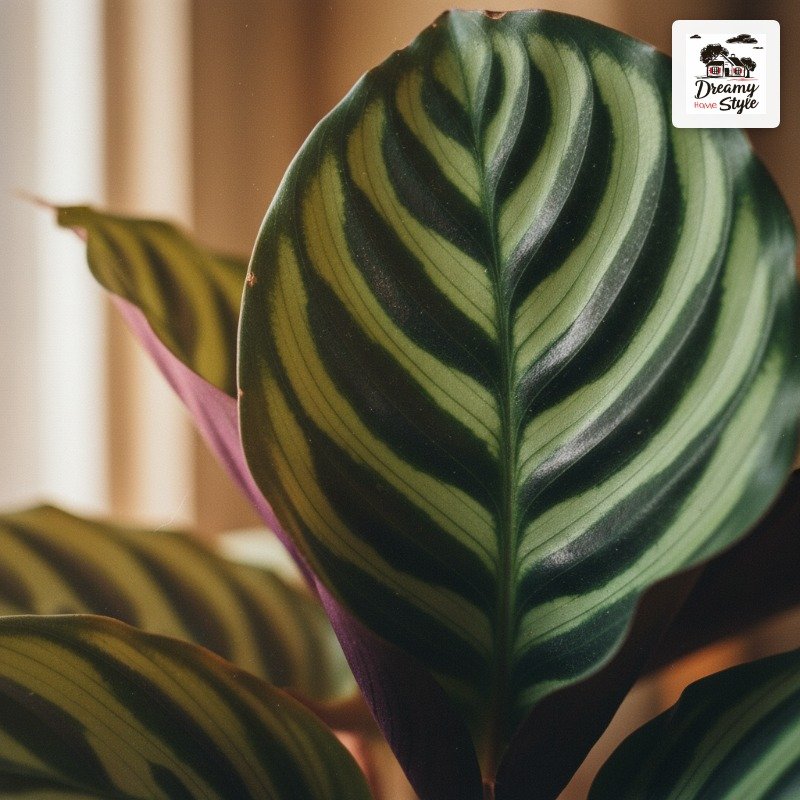
They’re beautiful — genuinely one of the most visually interesting plants you can own, with those painted-looking patterns on the leaves and purple undersides.
And they are extremely particular about their environment.
I’ve killed two.
My third one is currently doing well, and what changed was that I started using filtered water (they hate fluoride) and I stopped putting it near the heating vent.
If your light is medium and your humidity is decent, calatheas will reward you with leaves that look hand-painted.
The Orbifolia with its pale stripes is probably the most elegant.
The Medallion is bolder and more graphic.
Not a beginner plant.
But if you’re ready for a little drama and you’ll pay attention to it, the payoff is stunning.
Dracaena: Tall, Structural, and Incredibly Low Drama
Dracaenas are sort of underrated in the ‘expensive-looking plant’ conversation and I’m not sure why.
They have that tall, tree-like presence of a fiddle leaf or bird of paradise but with a fraction of the attitude.
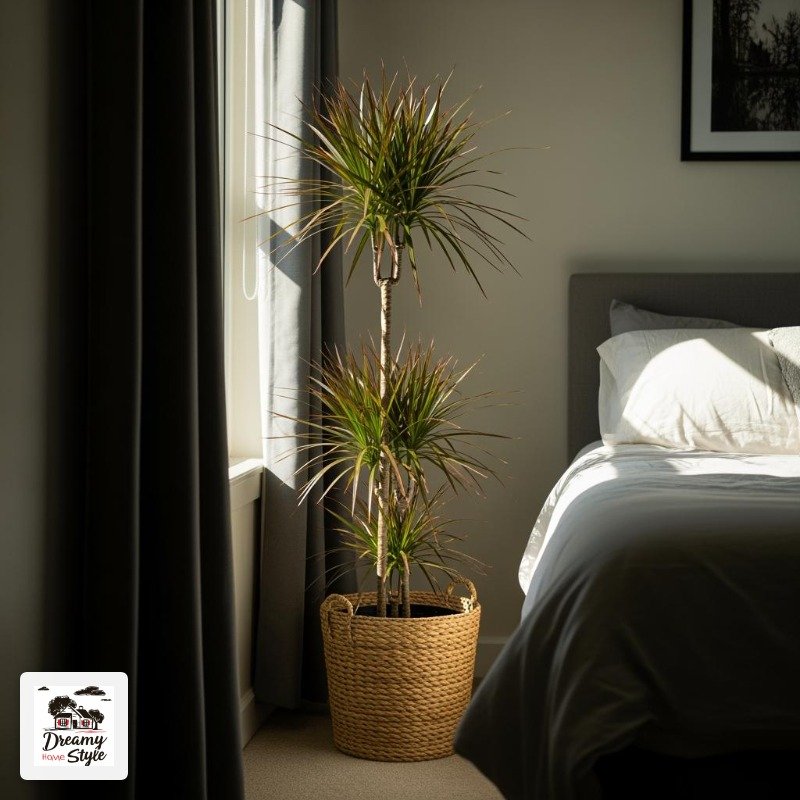
The Dracaena marginata — the one with thin leaves and reddish edges — looks almost like a little palm tree.
In a woven planter it gives off serious resort-lobby vibes.
I have one in my bedroom corner and it makes that corner look so much more intentional than it has any right to.
They tolerate low light better than most statement plants, though they really do best with medium indirect light.
Water infrequently.
Mostly just… let them be.
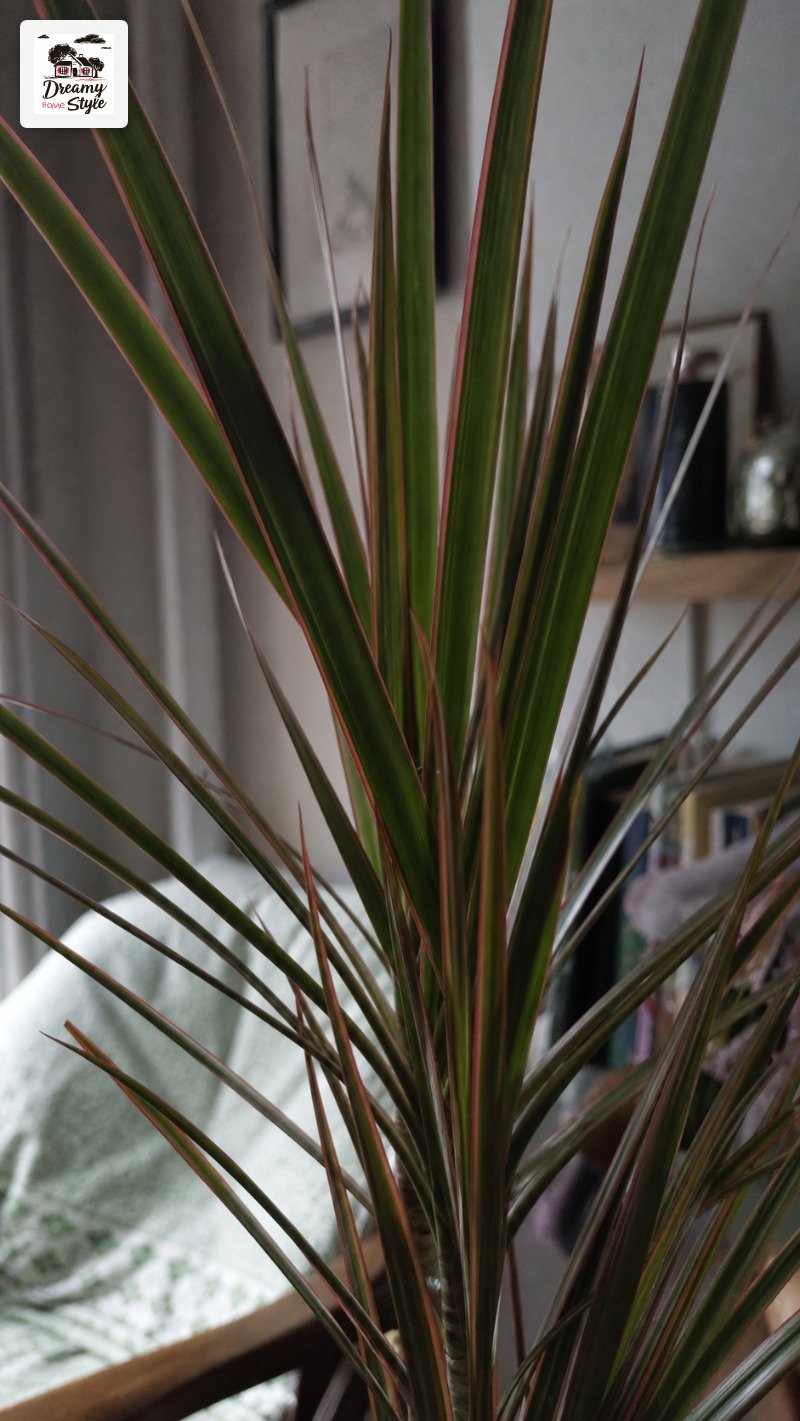
An honestly underappreciated option if you want height and structure without the fussiness.
The Pot Matters More Than You Think
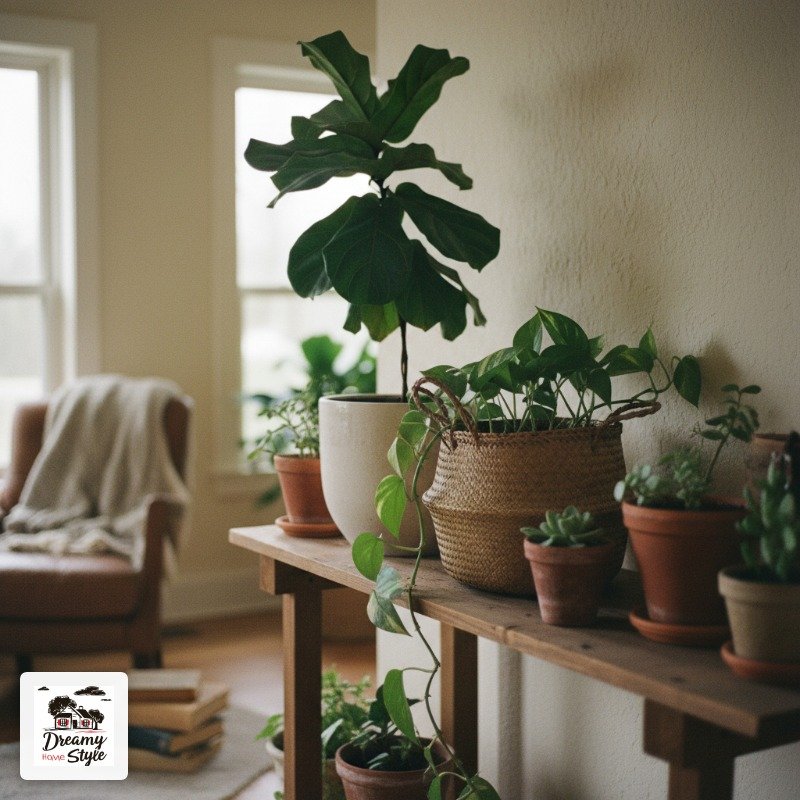
Genuinely, I’ve seen a thriving plant look cheap and a mediocre plant look expensive, and the difference was the pot.
Plastic nursery pots are a crime against aesthetics.
I know that’s harsh but I will stand by it.
Dropping a plant into a beautiful pot changes everything — the texture, the weight, the way it fits into the room.
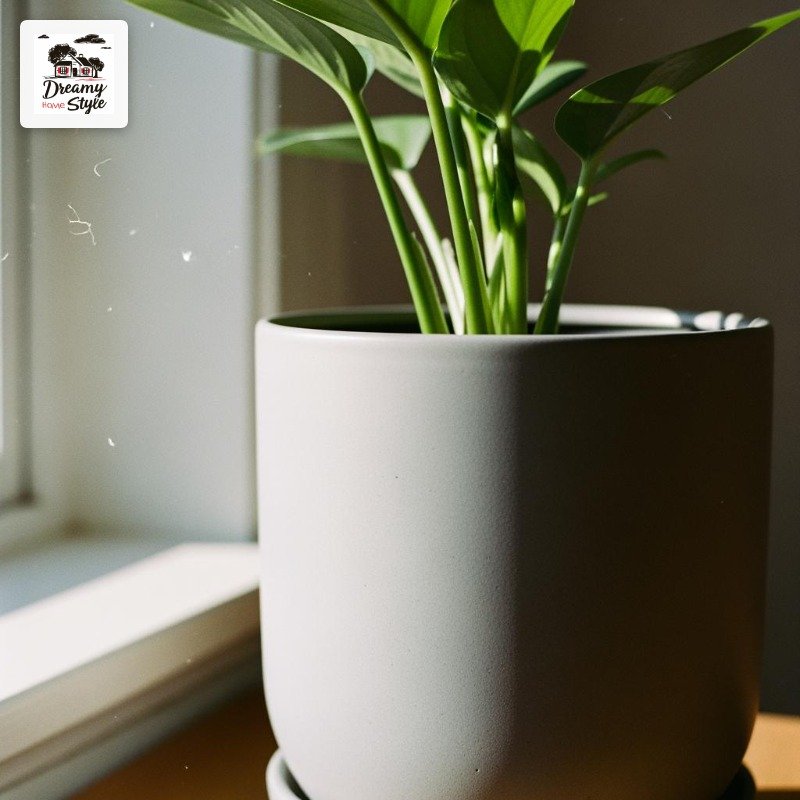
My favorites: matte ceramic in white, cream, or terracotta.
Woven seagrass or rattan baskets for a softer, warmer feel.
Concrete for something more modern.
I’ve found really good ones at HomeGoods, TJ Maxx, and honestly Walmart has stepped up its planter game lately (I paid $8 for one that looks genuinely high-end).
Match the pot material to the room’s vibe, not necessarily the plant.
That’s how it all starts to feel cohesive instead of just… collected.