I almost painted over the floral wallpaper in my hallway.
Almost.
My neighbor called it ‘a lot’ and I nearly listened to her.
I’m so glad I didn’t, because that hallway is now the one thing every single person comments on when they walk in.
Flowers in a room do something that neutral linen and beige walls just can’t — they make a space feel alive.
Not in a grandma-china-cabinet way (unless that’s your thing, zero judgment).
In a ‘this person actually lives here and loves things’ way.
I’ve tried a lot of flower decor approaches over the past few years, some gorgeous, some catastrophic, and I want to share all of it with you.
Dried Flower Arrangements That Don’t Look Like a Funeral
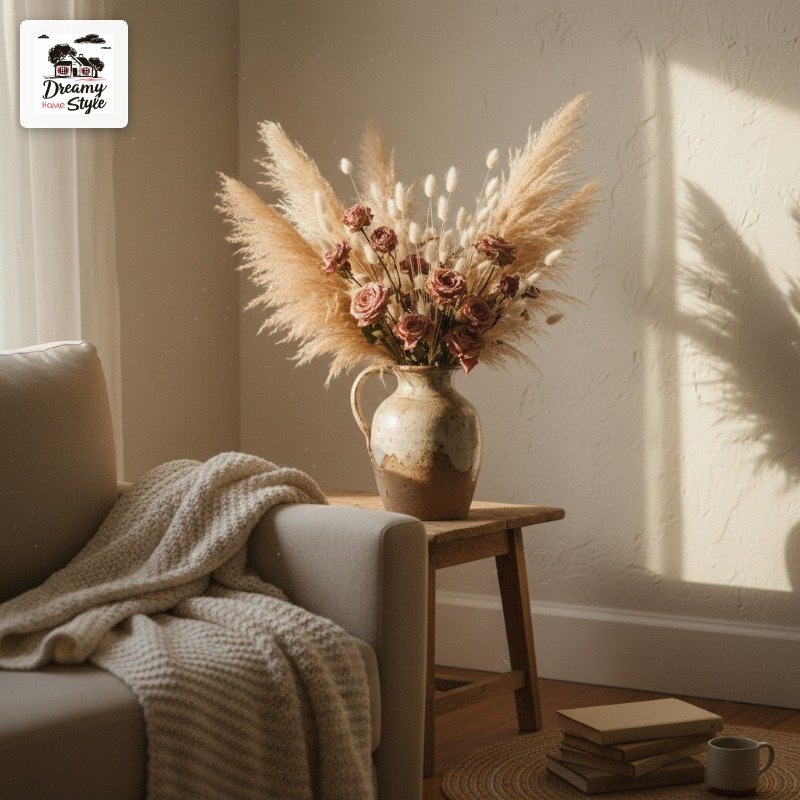
The first time I bought dried flowers I put them in a clear vase, stuck them on my kitchen counter, and my mom asked if they were dead.
They were.
That’s the point.
But I hadn’t styled them right at all.
The trick is volume and warmth.
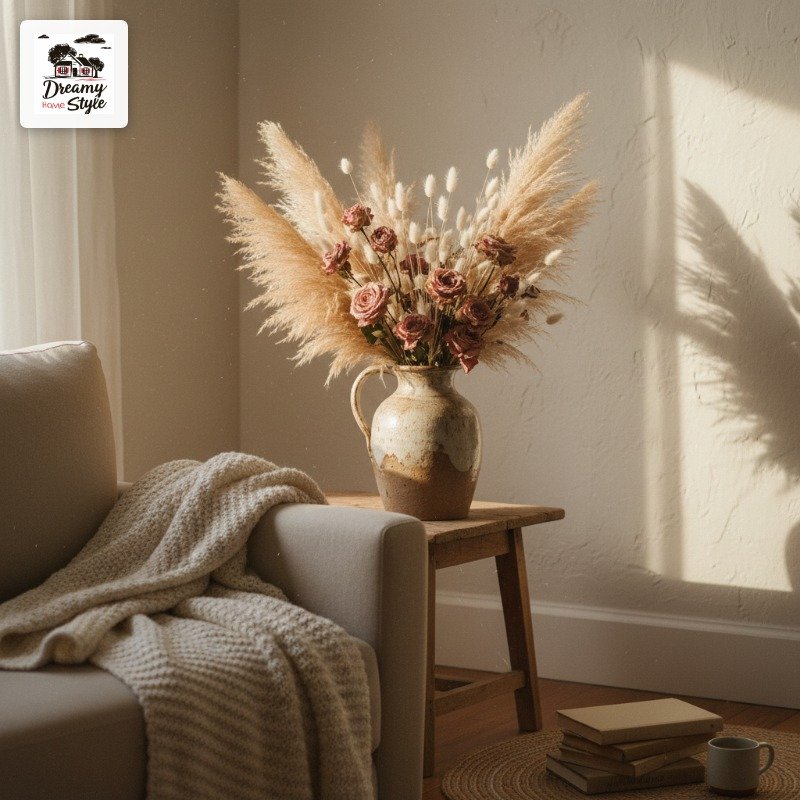
Dried pampas grass, bunny tail stems, dried roses in dusty pink or terracotta — you need a cluster, not three lonely stems.
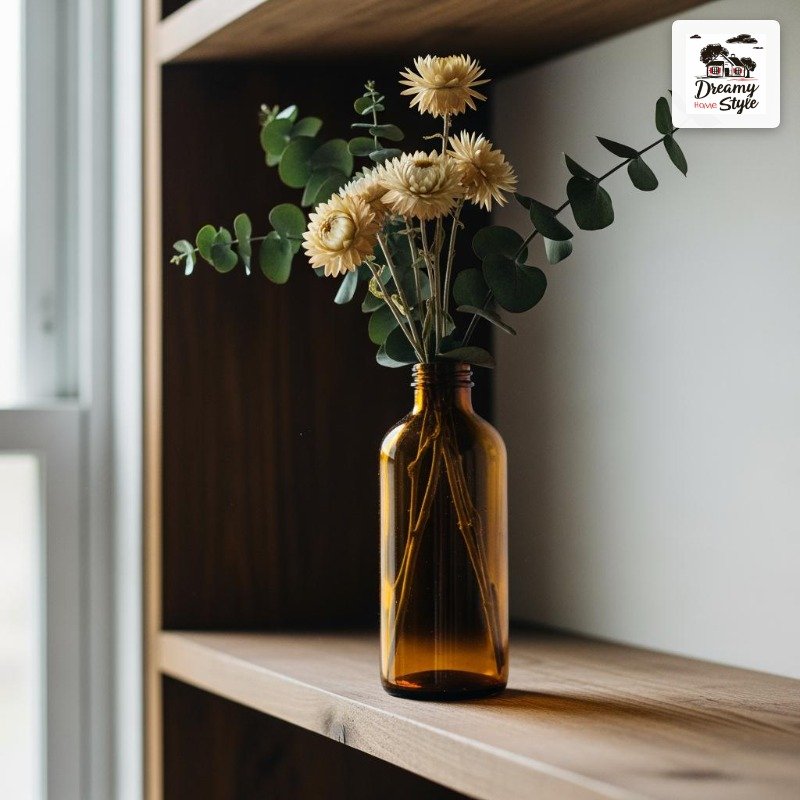
I now keep a big armful of dried eucalyptus and strawflowers in a wide-mouthed stoneware jug near my fireplace.
It looks intentional.
Moody.
And Biscuit can’t knock it over, which is a bonus I didn’t see coming.
Don’t overthink the vessel.
An old amber bottle, a milk glass vase from Goodwill for $3 — the imperfection actually helps.
Floral Wallpaper in the Smallest Room You Own
Hear me out.
The powder room.
Or the laundry room.
Or a single accent wall in a bedroom nobody uses.
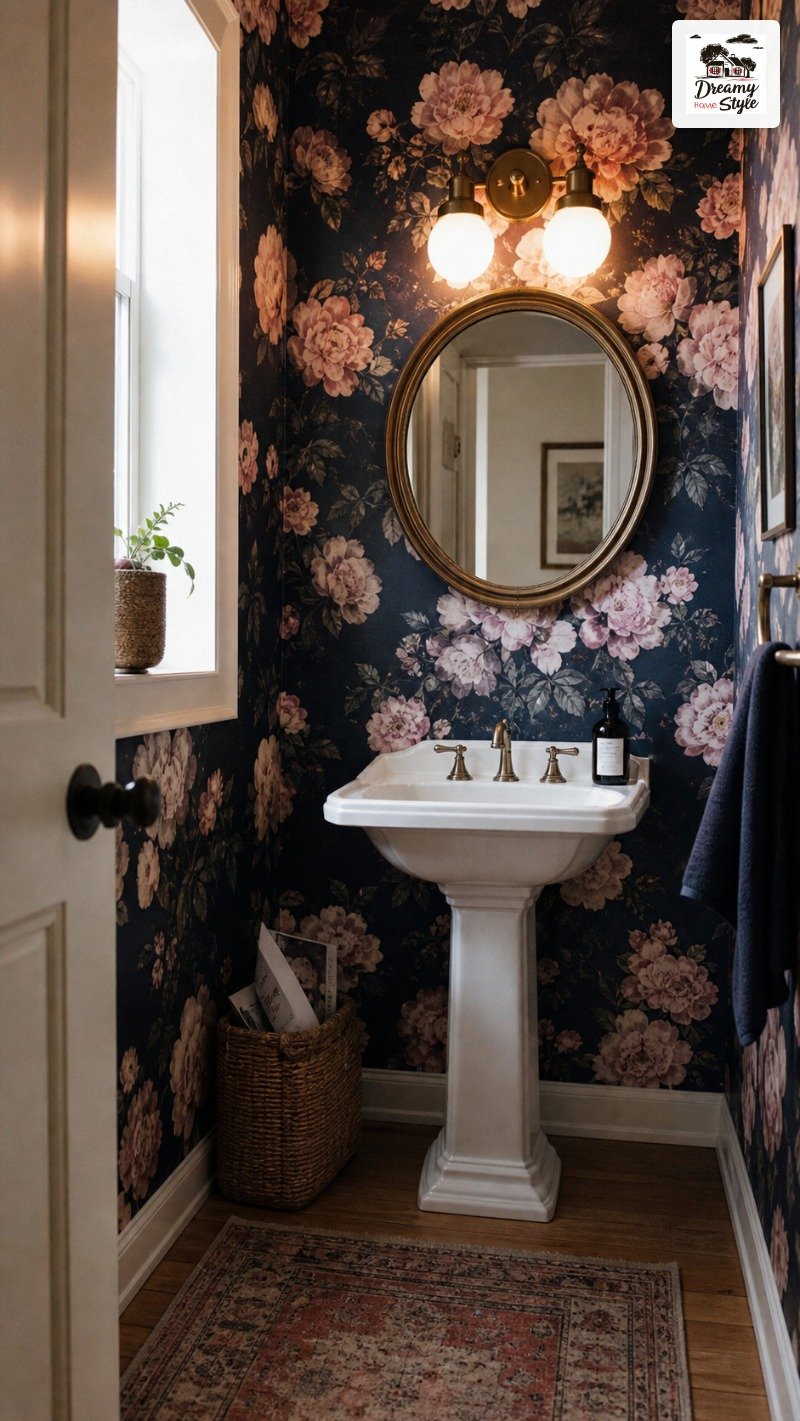
Small spaces are where floral wallpaper earns its place because you’re not living inside it — you’re just visiting.
I put a bold navy-and-blush peony wallpaper in my downstairs bathroom and I genuinely look forward to washing my hands now.
That’s a weird sentence but it’s true.
Peel-and-stick options have gotten so good lately.
I used one from a small shop on Etsy, paid around $85 for a tiny room, and it took me a Saturday afternoon and only two crooked strips (which I fixed by just… accepting them).
It reads as confident, not chaotic.
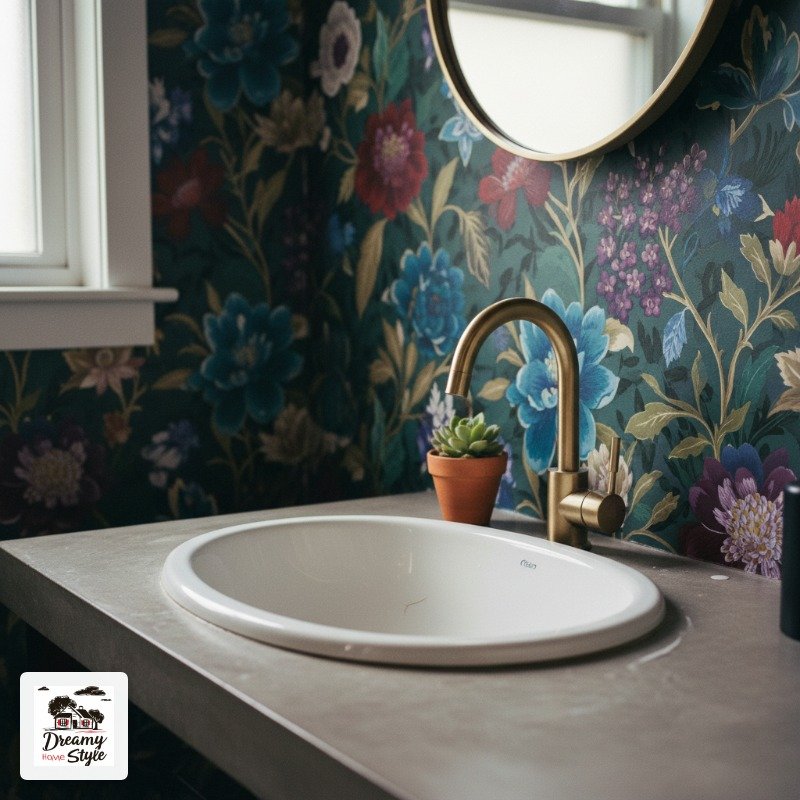
Fresh Flowers on a Budget — My Actual System
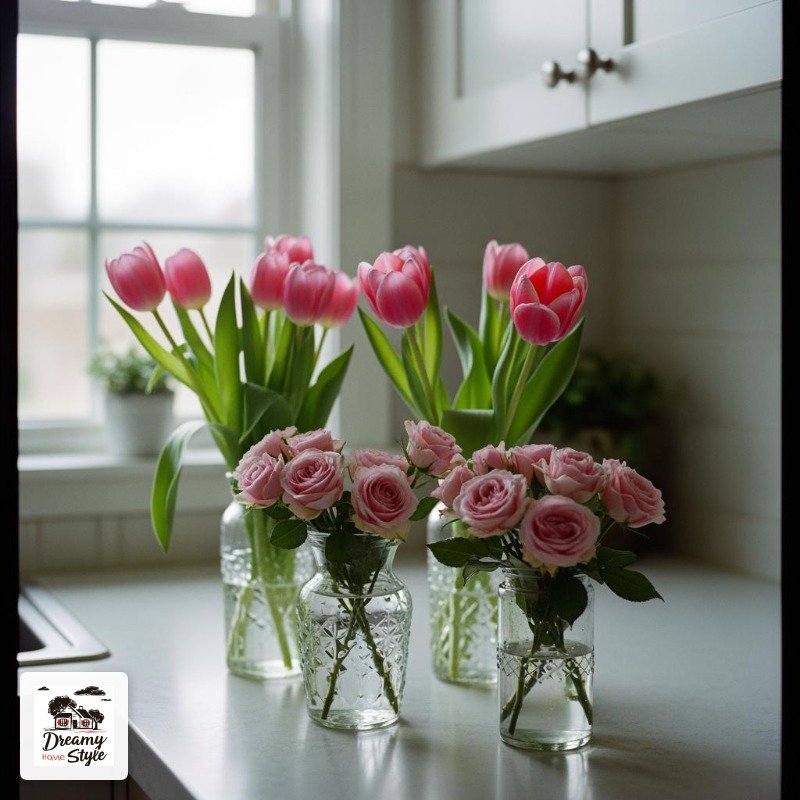 Fresh Flowers on a Budget
I used to feel like fresh flowers were a luxury I couldn’t justify.
Then I started buying grocery store flowers every single week and realized I was spending maybe $8 and it was making me happier than most things I’d spent $40 on.
Trader Joe’s is my go-to.
Tulips for $3.99, ranunculus when they have them, sometimes a little bunch of spray roses.
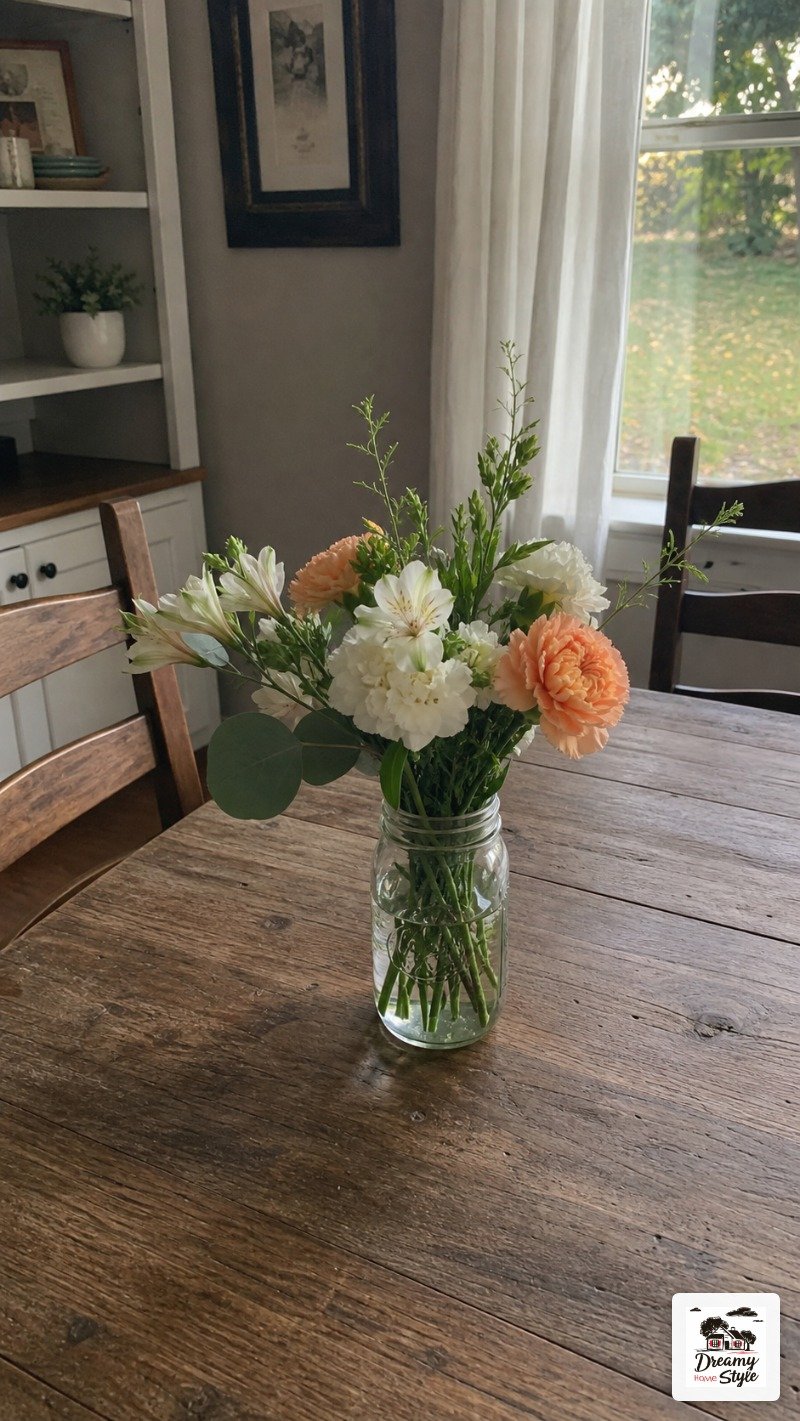
I split one bunch into two or three smaller vases and suddenly every room feels cared for.
The vase matters less than people think.
I’ve used a pasta sauce jar, a thrifted creamer, a tall Dijon mustard bottle with the label soaked off.
All of them looked charming.
Change the water every other day.
Trim the stems at an angle.
That’s genuinely all there is to it.
Floral Throw Pillows Without Making Your Sofa Look Like a Garden Catalog
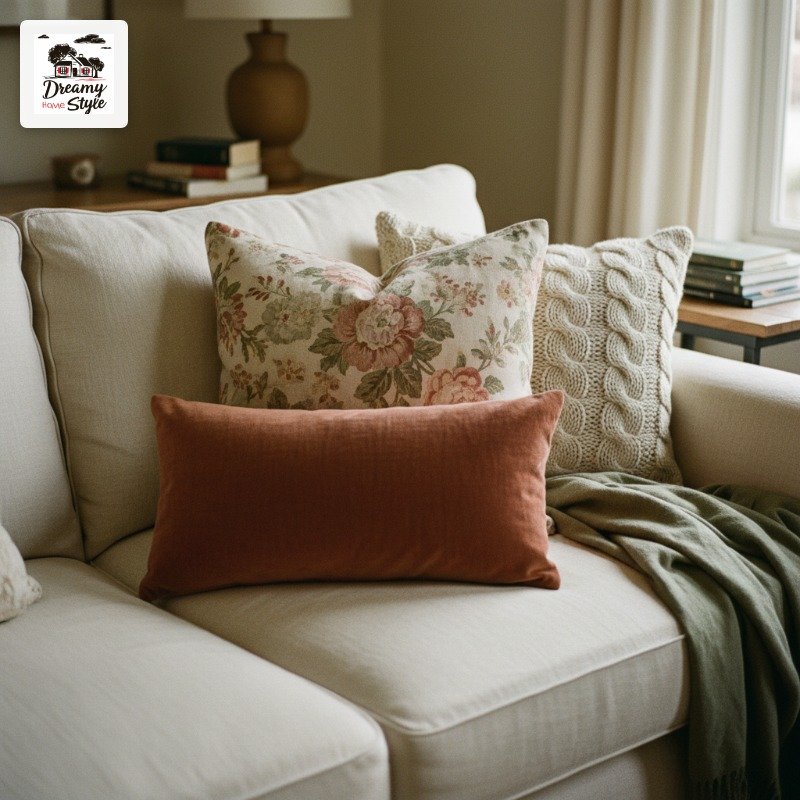 Floral Throw Pillows Without Making Your Sofa
The key is mixing, not matching.
One floral pillow sitting next to three identical floral pillows is how you end up with a sofa that looks like a Pinterest board from 2013.
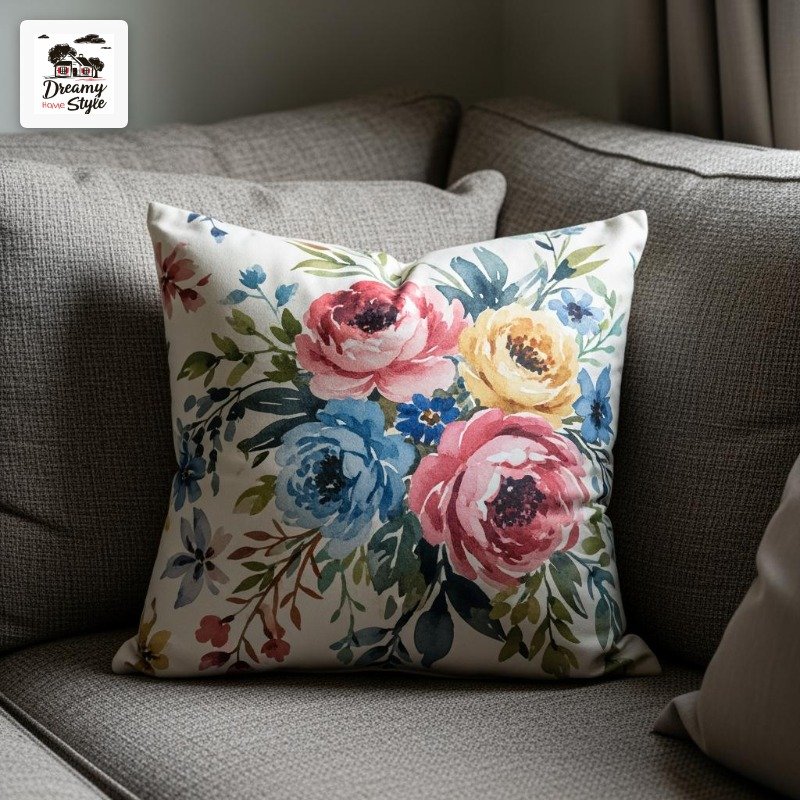
I have one oversized linen pillow in a faded vintage floral print — got it at HomeGoods for $16 — and it’s sitting next to a solid rust-colored lumbar and a cream textured knit.
The floral one pops because it’s surrounded by calm.
Scale matters too.
A small ditsy floral print reads very differently than a large watercolor bloom.
I lean toward the big, loose florals because they feel more modern and less… doily-adjacent.
Honestly, one good floral pillow is enough.
You don’t need a set.
The Pressed Flower Art Trend I Was Skeptical About (Then Completely Obsessed With)
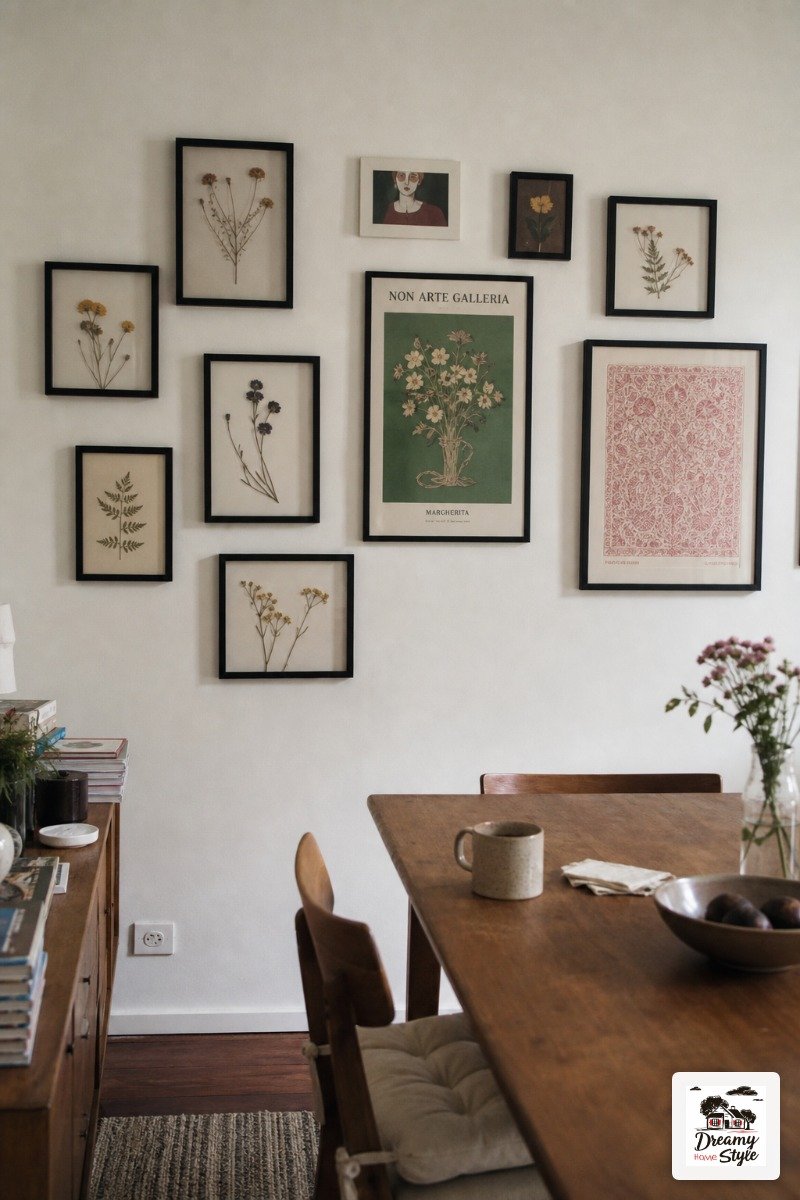 Pressed Flower Art Trend
I thought pressed flower frames were something your kindergartner made you.
I was wrong and I’m not embarrassed to say it.
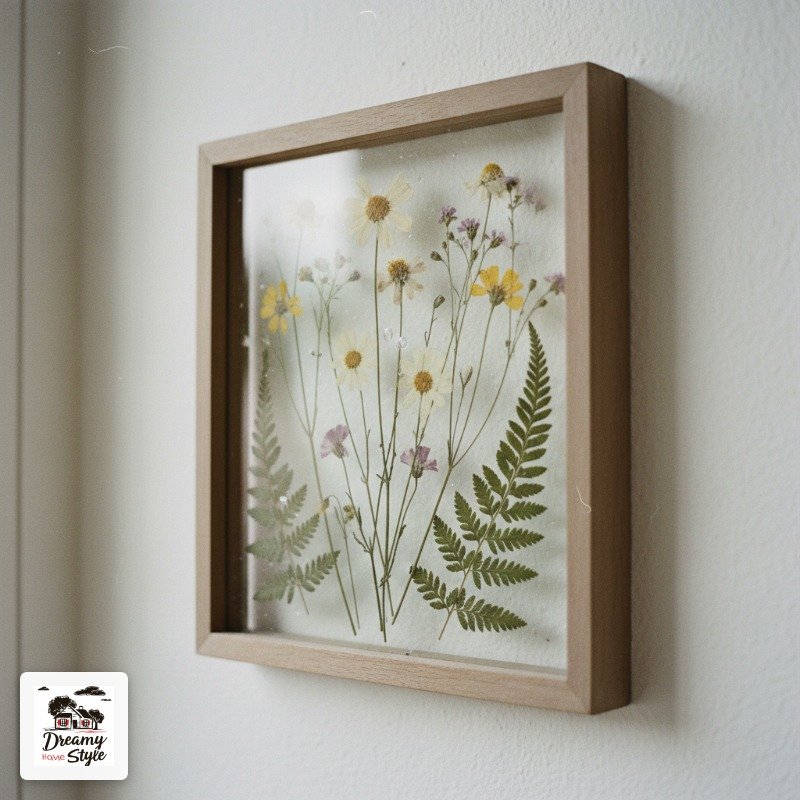
There’s a whole world of pressed flower art right now — loose botanicals floating inside glass frames, asymmetrical arrangements with ferns and wildflowers, tiny pieces in gallery walls.
It’s genuinely beautiful.
I made my own using flowers from my backyard and a heavy book left for two weeks.
Then I framed them in simple black frames from IKEA.
Total cost: under $20 for three pieces.
They look best grouped together, especially mixed in with regular prints or photos.
My dining room gallery wall has two pressed flower frames in it and they get more compliments than the actual art I bought.
Faux Flowers: When It’s Okay and When It Really Isn’t
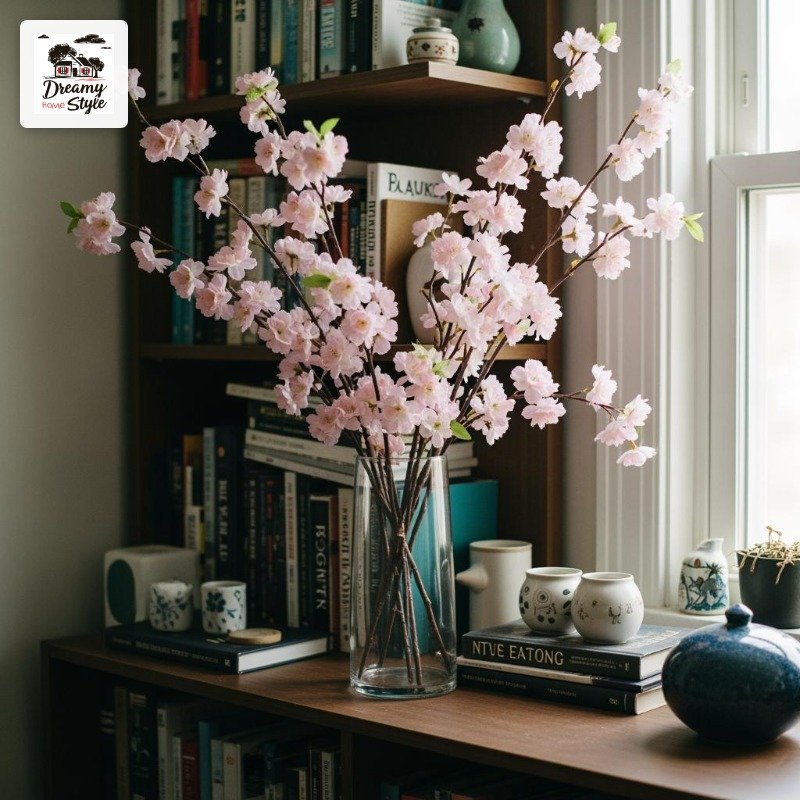 Faux Flowers: When It’s Okay
I’ll say it.
Most fake flowers still look fake.
I don’t care how many times a brand says ‘realistic’ — if it’s a $6 polyester rose from a bin, it shows.
But.
There are good faux florals now.
Like, genuinely hard-to-tell-apart good.
I have a stem of faux cherry blossom branches I found at a local boutique for $22 and three people have tried to smell them.
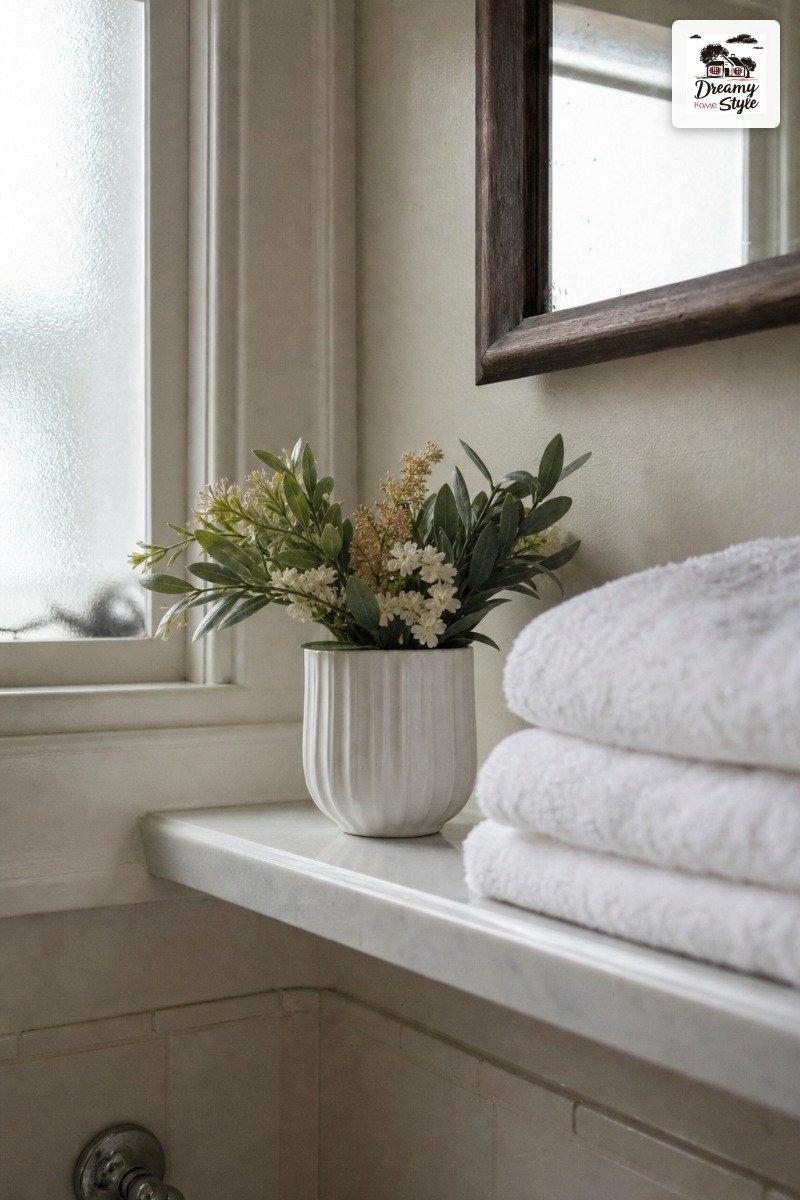
The places faux flowers work best: high shelves where nobody gets close, bookcase styling, wreaths, bathroom decor where real flowers would just die immediately in the humidity.
Avoid faux in centerpieces or anywhere within arm’s reach.
Up close, it’s usually obvious.
And that kills the whole vibe.
Flowering Plants That Actually Survive People Like Me
 Flowering Plants That Actually Survive
I have killed so many plants.
Peace lily, pothos, even a cactus once — that one still haunts me.
So when I say these flowering plants are forgiving, I mean they survived my specific brand of neglect.
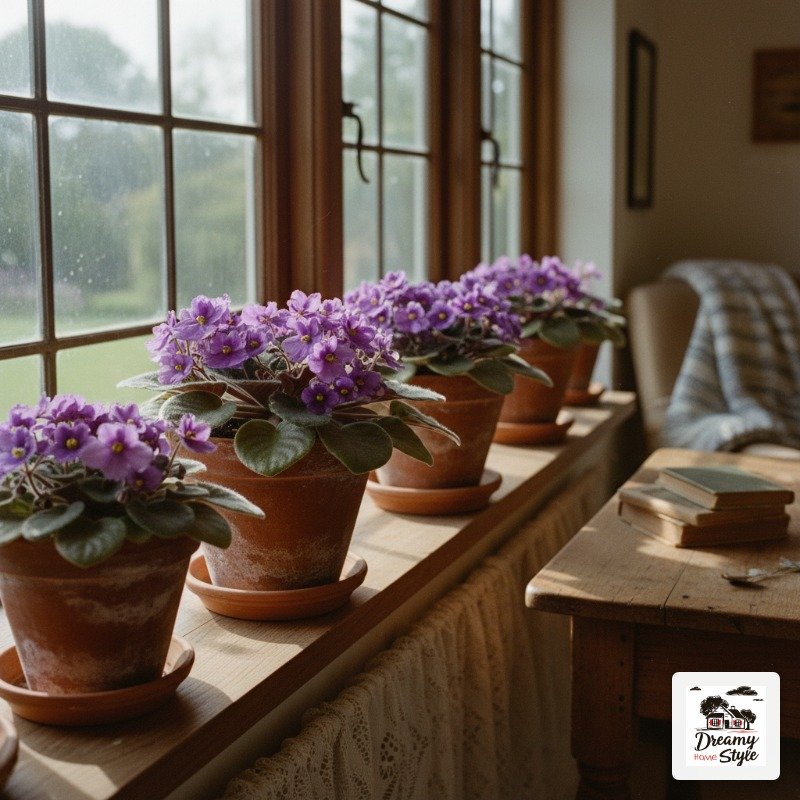
African violets are my current obsession.
They bloom constantly, they want indirect light (my whole house is basically indirect light), and you water them from the bottom which somehow feels like cheating in the best way.
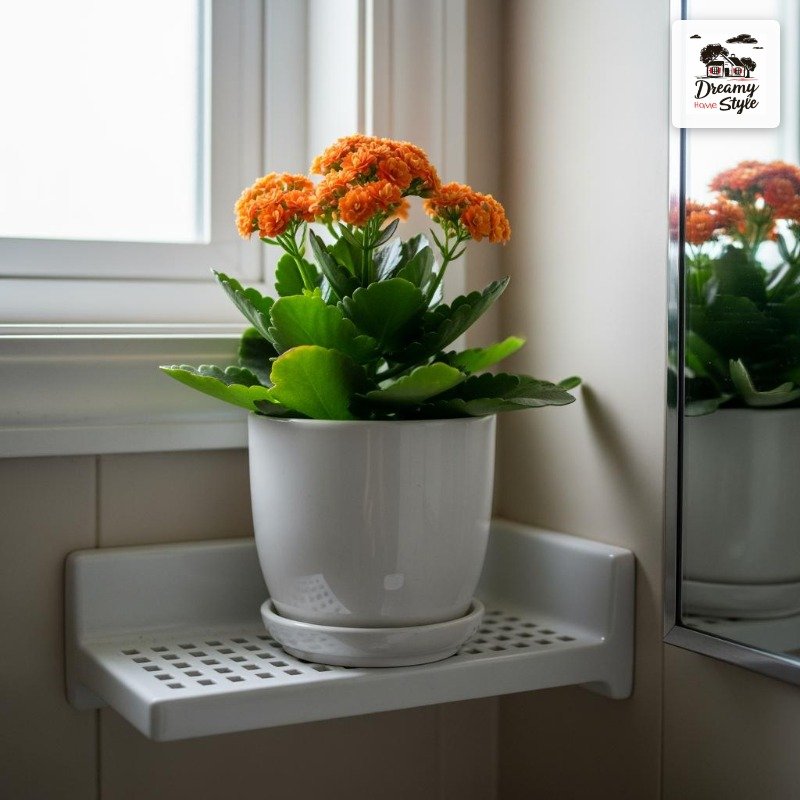
Kalanchoe is another one.
Bright little clusters of blooms, almost no care, $5 at most grocery stores.
I keep one on my bathroom windowsill and it’s been happy there for months.
Peace lilies are still beautiful even though they betrayed me.
I think I just overwatered.
Let them tell you when they’re thirsty — they’ll droop a little.
It’s actually helpful.
Floral Fabric: Curtains, Table Runners, and the Bedding Question
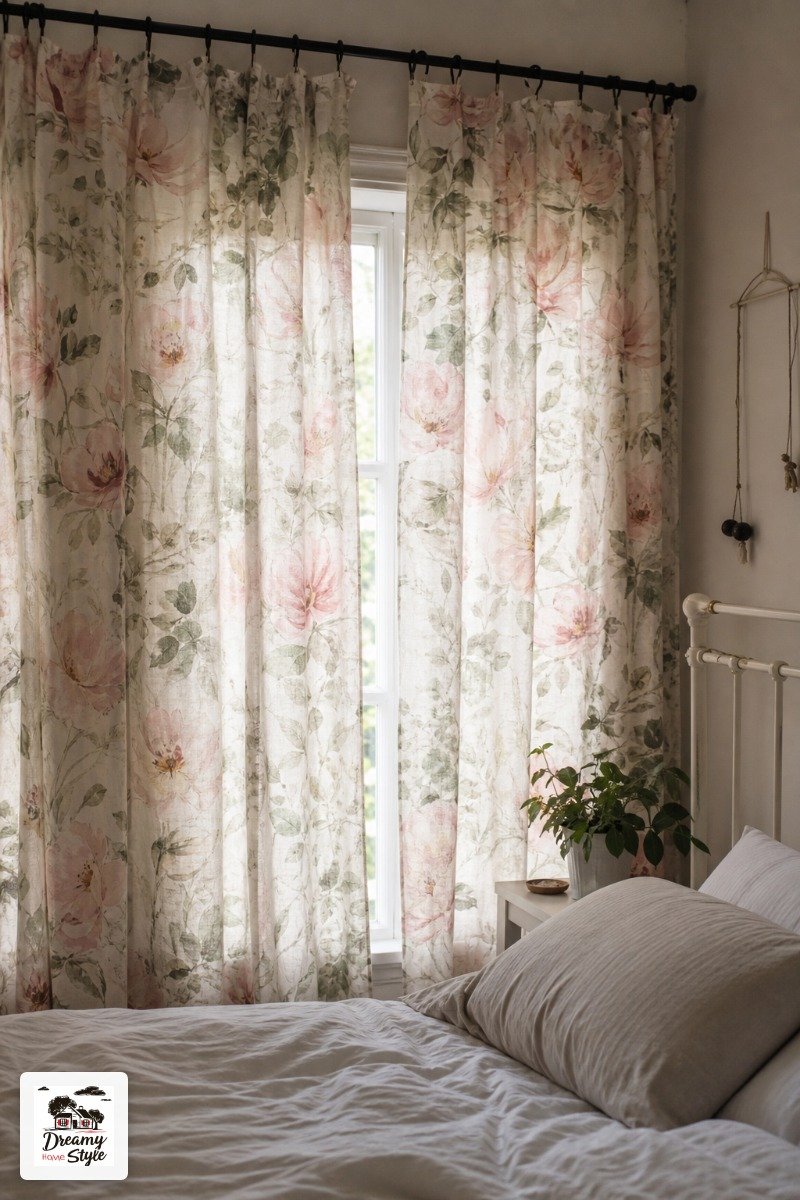
Floral curtains are either going to make your room look like a romantic countryside cottage or like a hotel that hasn’t updated since the early nineties.
The difference is scale and color palette.
I have floral linen curtains in my bedroom — big loose watercolor blooms in blush, sage, and cream on a white background — and they’re the softest, most dreamy thing.
The rest of the room is pretty calm so they have room to breathe.
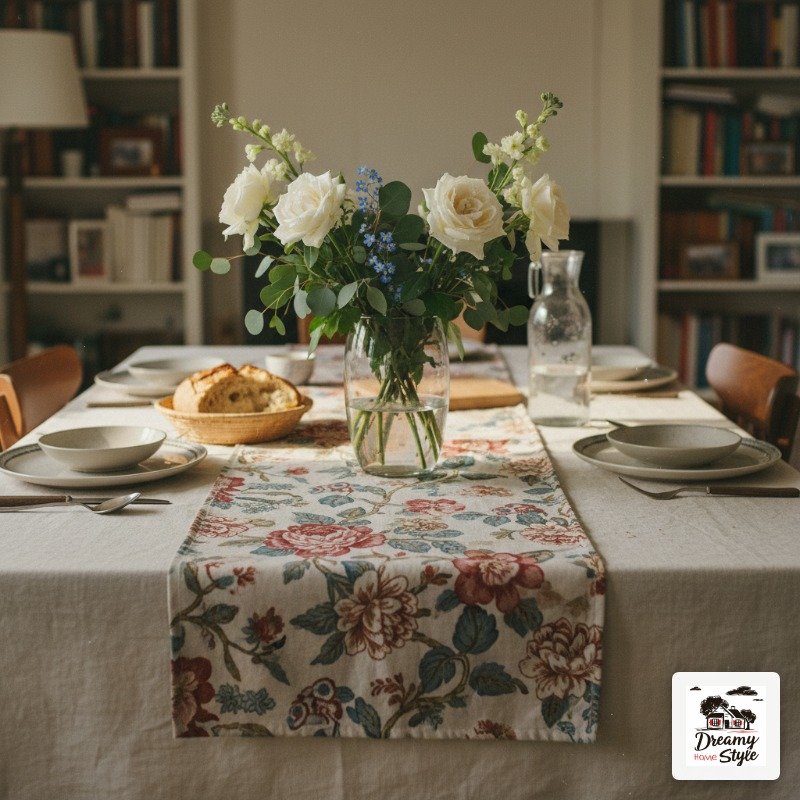
Table runners are a low-commitment way to try floral fabric.
I switch mine out seasonally.
A floral runner over a plain linen tablecloth looks so intentional for almost no effort.
Floral bedding: I’d do it as a duvet, not a full matching set.
A floral duvet cover with solid white or oatmeal pillowcases reads grown-up and relaxed, not matchy-matchy.
Flower Crowns for Your Furniture (Yes, This Is a Thing)
Bear with me on this one.
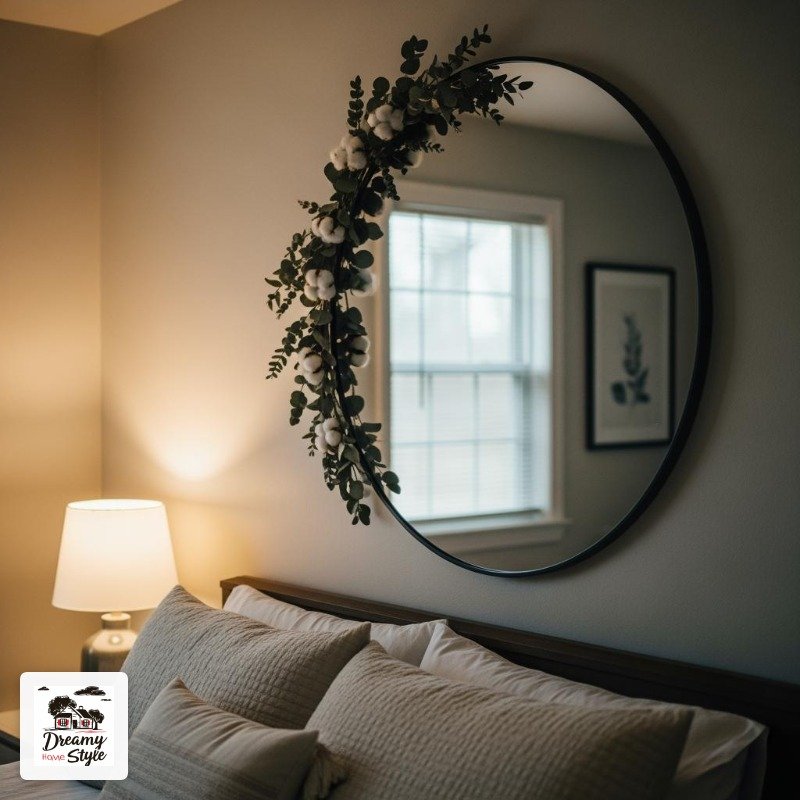
Draping a garland of faux or dried florals over a bed frame, a mirror, or along the top of open shelving is having a serious moment and honestly it’s earned.
I did a dried eucalyptus and white cotton garland over my bedroom mirror and it cost me $14 in supplies from the craft store.
It looks like something out of a hotel room in a good way.
For a more temporary version, a simple loose garland of fresh flowers over a headboard for a party or a special occasion is genuinely stunning.
Takes maybe ten minutes to assemble.
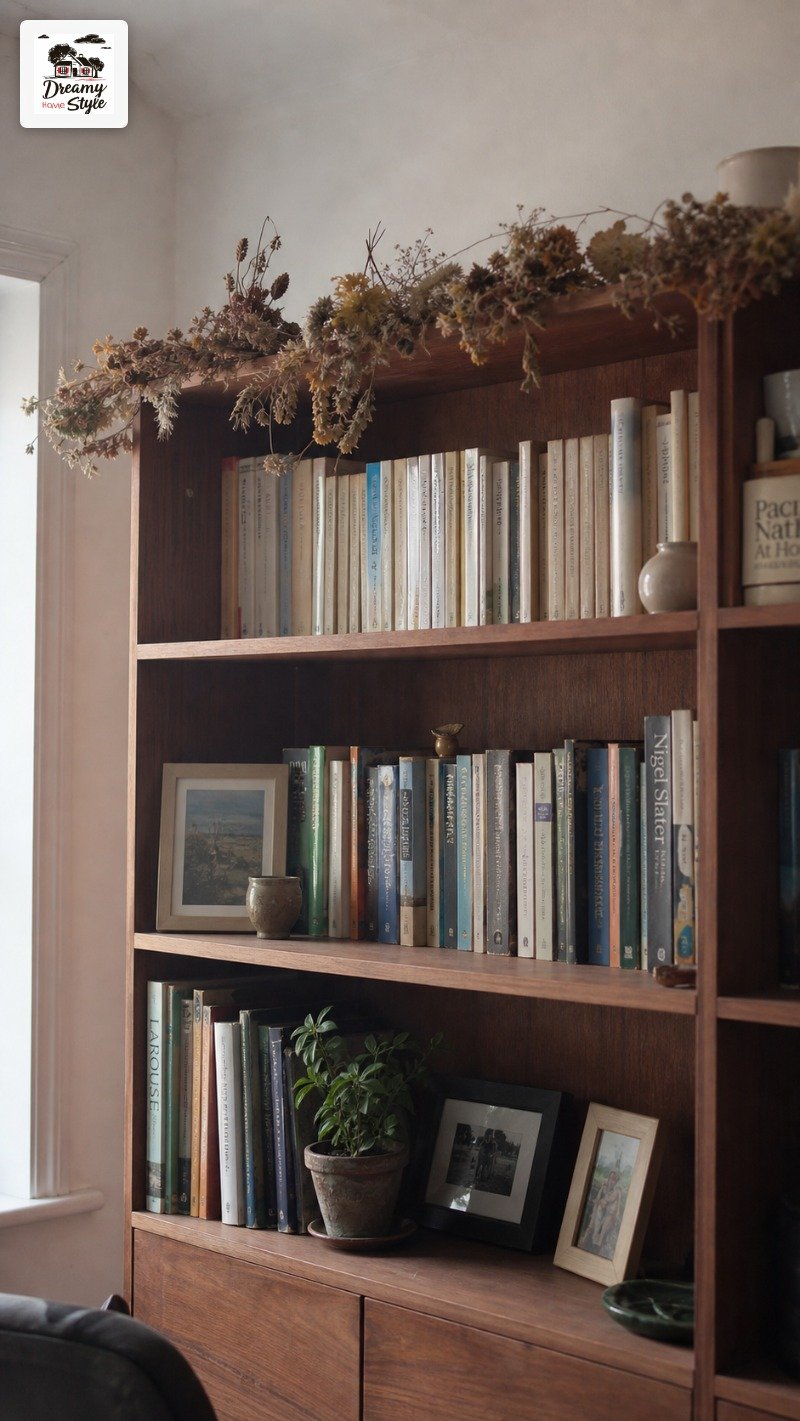
This isn’t for every room.
In a minimalist space it can feel cluttered.
But in a bedroom or a dining room with some personality already?
It’s the finishing touch.
The Floral Accent Wall That Isn’t Wallpaper
I’m not always up for committing to wallpaper.
Sometimes I want flowers on my wall for a season and then I want to change my mind, which is my right as a person.
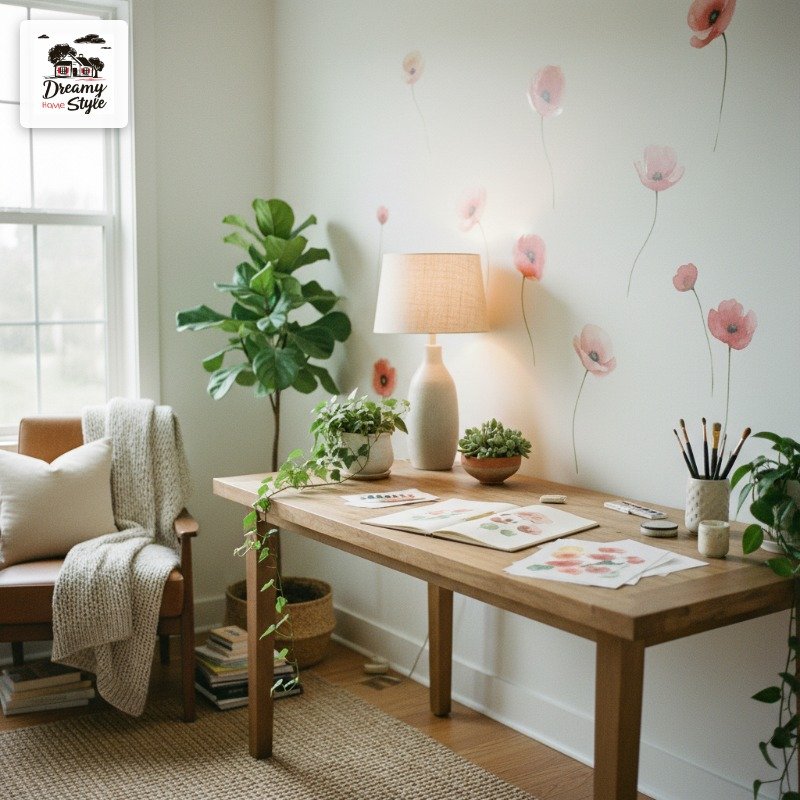
Removable floral wall decals have come a long way.
I used a set of watercolor poppy decals in my office corner — scattered them loosely instead of in a pattern — and it looks hand-painted.
Several people have asked if I hired someone.
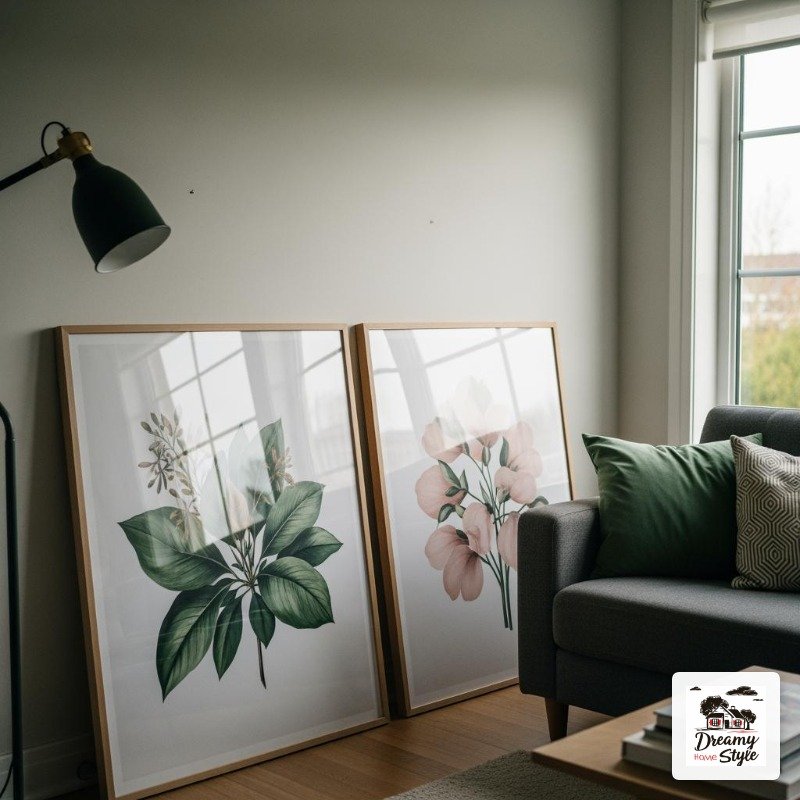
Another option: lean oversized framed botanical prints.
Not hung, just leaned.
It feels casual and editorial at the same time and you can swap them out whenever.
Or go full craft mode and stencil a floral pattern in one corner of a room.
I haven’t done this yet but it’s on my list.
One corner, a loose floral stencil, one afternoon.
Flower-Shaped Decor Objects (Subtle Ones, Not Kitsch)
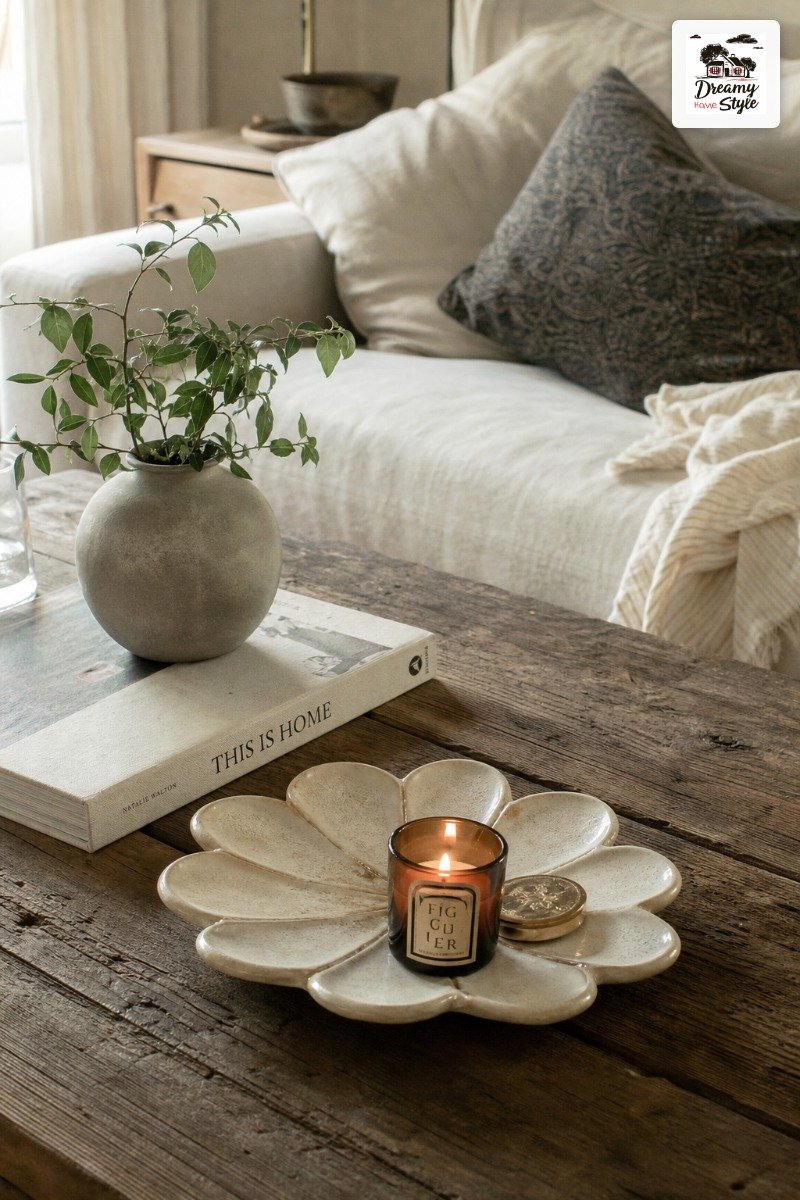
There’s a line between ‘floral motif’ and ‘your aunt’s bathroom in 1987’ and I think about that line a lot.
I have a ceramic daisy tray on my coffee table that holds my remotes and a candle.
It reads as sculptural more than decorative.
Small distinction but it matters.
Flower-shaped candles are everywhere right now and I’m into them.
A big pillar candle with a pressed flower embedded in the wax, or those tulip-shaped beeswax tapers — they add so much warmth to a table without being loud.
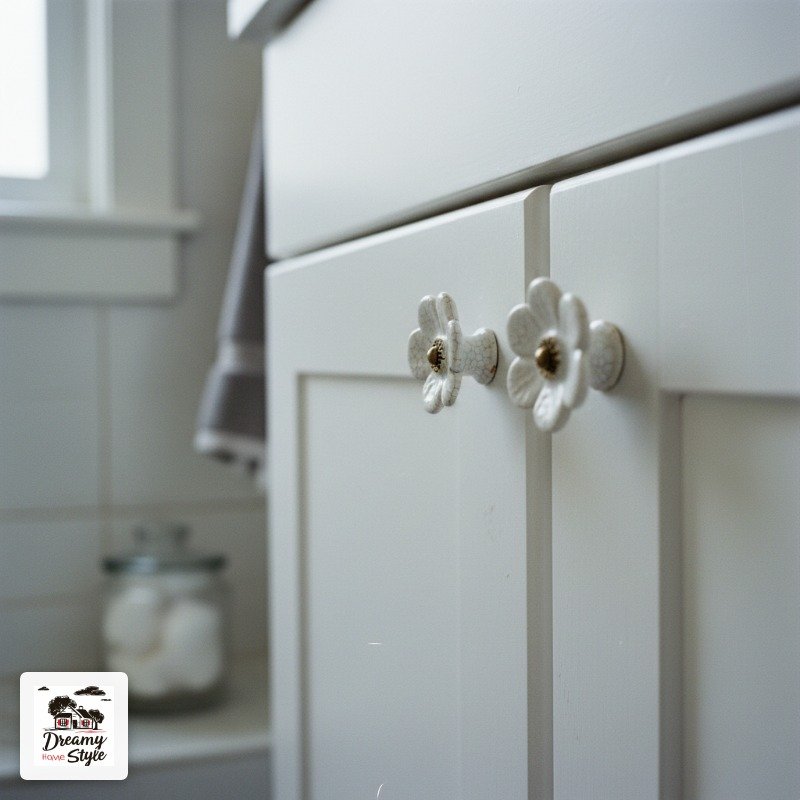
Flower knobs on cabinet doors.
I did this in my bathroom, replaced the plain silver hardware with little ceramic flower knobs from Etsy for about $4 each.
It’s such a small thing and it makes me genuinely happy every single day.
Mixing Florals Without It Looking Like a Clash
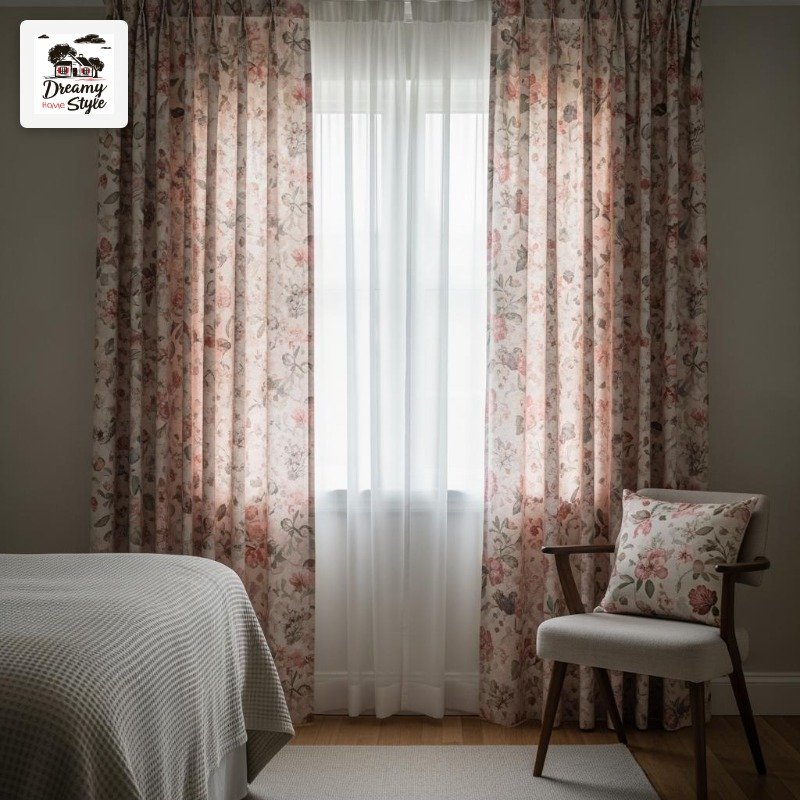
The rule I follow is: vary the scale, keep the palette.
One tiny ditsy floral, one large loose bloom, and you’re mixing patterns but they’re speaking the same color language so it works.
I have a small floral print on my bedroom chair cushion and big watercolor florals on my curtains.
Both have blush and sage.
They don’t match.
They go together.
Those are different things.
The other option is to mix florals with a strong unifying neutral — lots of white, or all-over natural linen, and let the florals float inside that calm.
It prevents the room from feeling busy.
I’d say three floral elements in one room is probably the max for most spaces.
And one of them should probably be small or subtle.
Otherwise it tips over into overwhelming, and not in the good way.
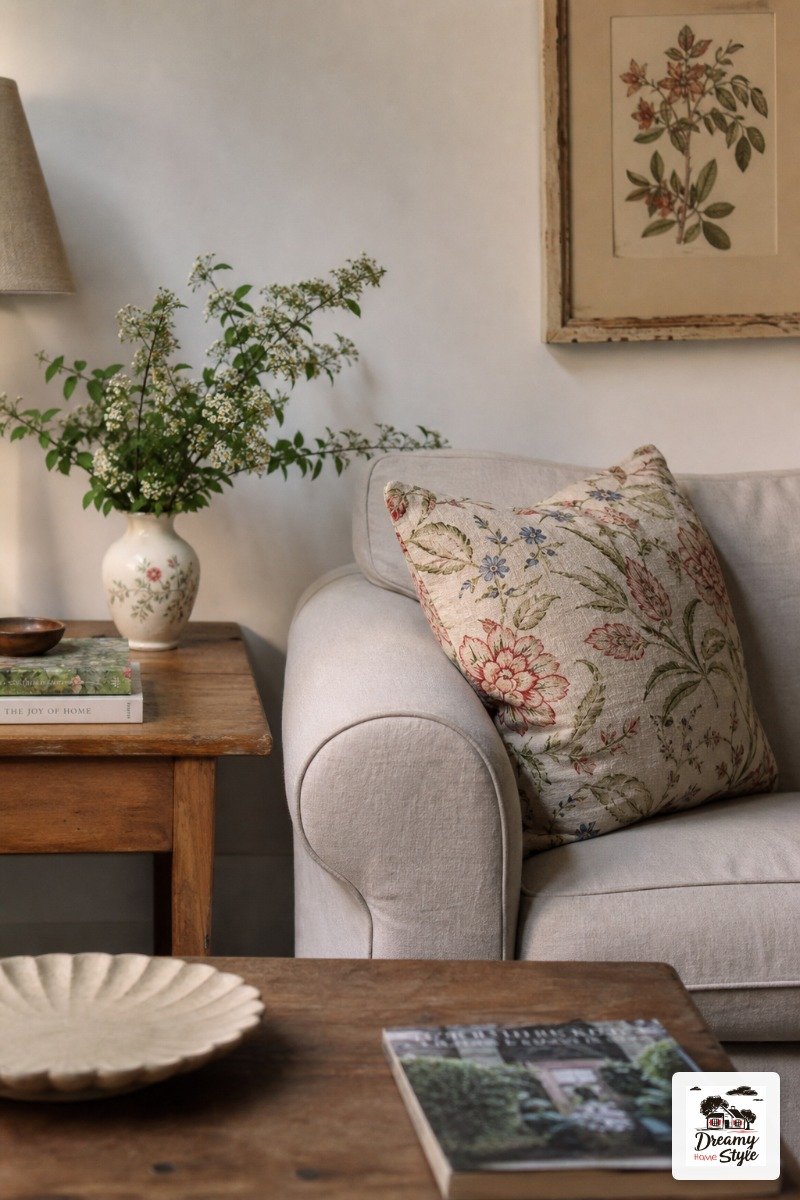
Seasonal Flower Decor That Doesn’t Require Buying New Things
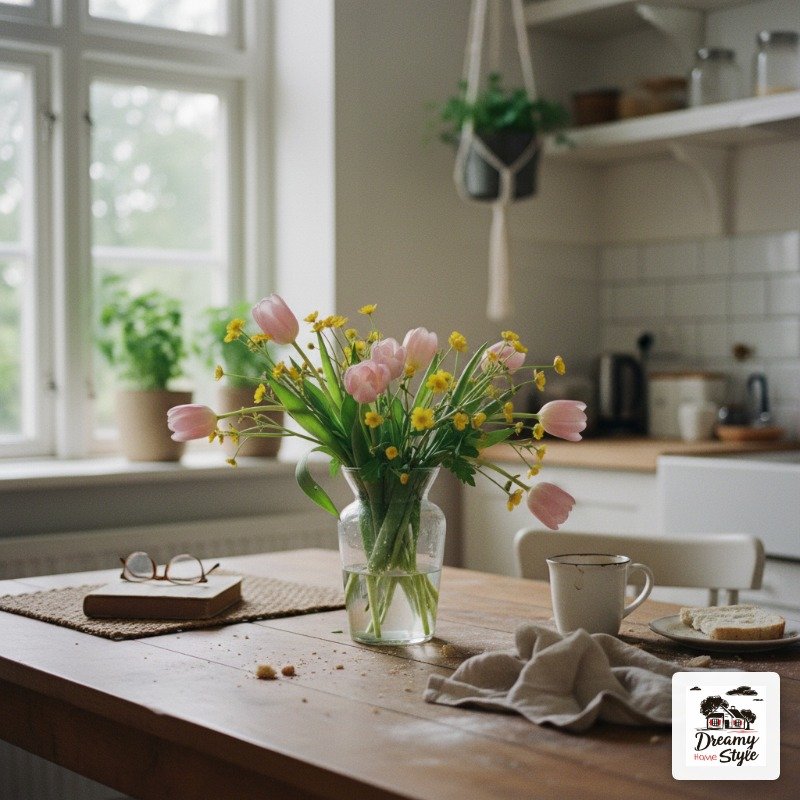
I rotate the same core pieces and just swap in seasonal flowers.
Same vases, same frames — different stems, different colors.
In spring I do tulips and hyacinths in the pale pinks and yellows.
Summer gets sunflowers and zinnias, usually the wildflower market-bunch type.
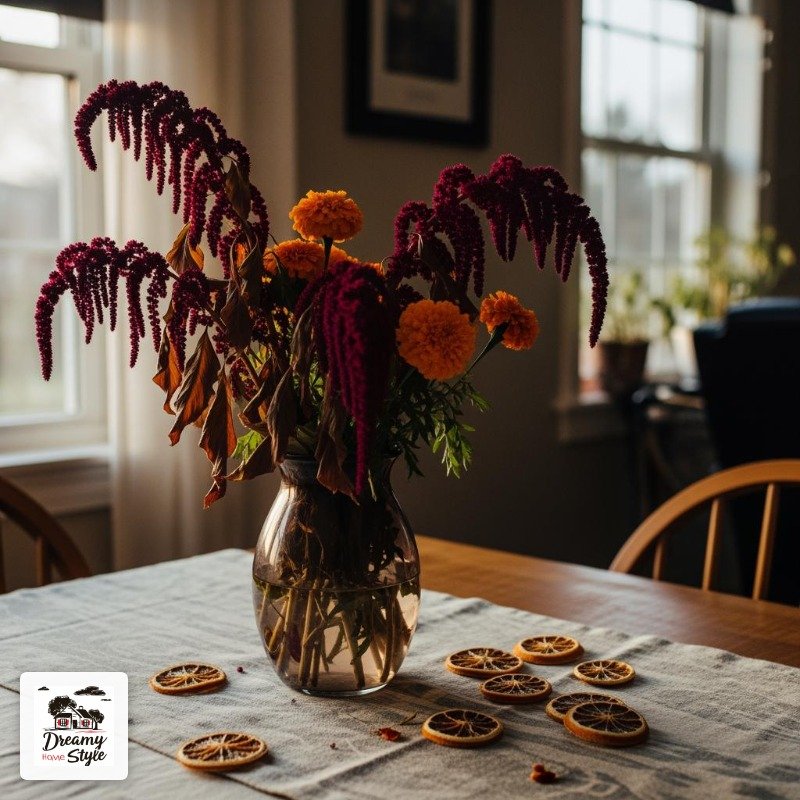
Fall I switch to dried marigolds and amaranth, deep burgundy and rust.
And in winter I go evergreen with dried citrus slices tucked in.
Same $3 thrift-store vase.
Completely different feel every few months.
Swapping one element like a table runner or a single throw pillow in a new floral print can shift the whole room’s mood seasonally too.
You don’t need a lot.
You just need to think in layers.