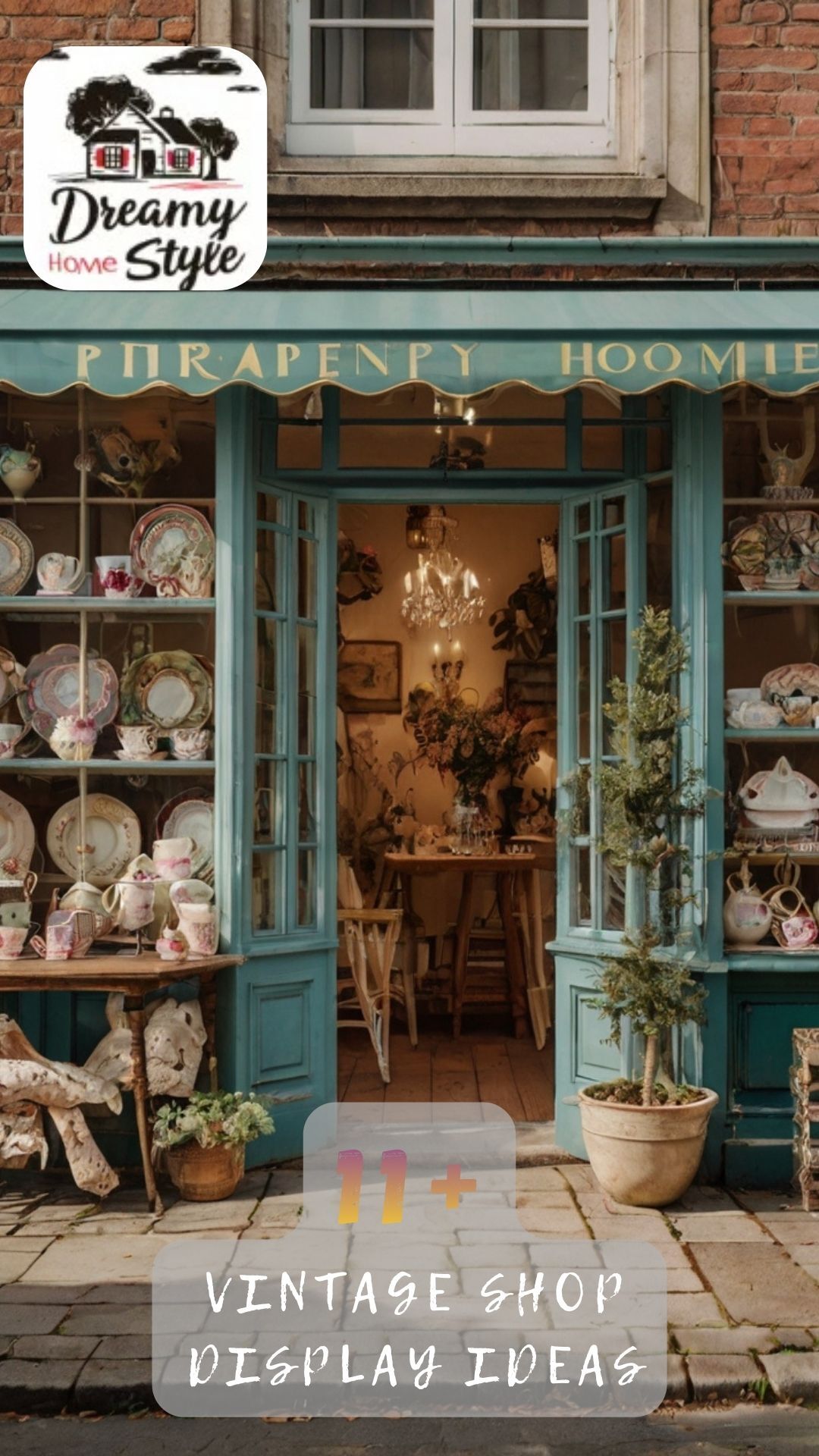
Last October, I walked into this tiny vintage shop tucked behind a coffee roaster, and I literally stopped breathing for a second.
It wasn’t because the space was perfect or polished.
It was because everything felt real—like I’d stepped into someone’s grandmother’s attic, but the cool grandmother who traveled to Paris in the ’60s and collected pottery.
The displays weren’t trying too hard, and that’s exactly what made them magic.
If you’re setting up your own vintage space—whether it’s a booth, a corner of your living room, or an actual shop—you know that line between “charming” and “cluttered” is thinner than vintage lace.
So let me share what I’ve learned about making vintage displays feel authentic, warm, and like they’re telling a story you actually want to hear.

Let Old Furniture Do The Heavy Lifting

Here’s the thing about vintage displays that always gets me: the best ones use vintage pieces as the display itself.
Repurposing old furniture as part of your presentation not only makes it a high-ticket item itself but also serves as an excellent display fixture for smaller pieces.
I’m talking about a weathered ladder leaning against the wall with scarves draped over each rung.
Or a wooden apple crate turned on its side, stacked three high, filled with old books and small brass animals.
An antique dresser with the drawers pulled out at different heights, each one holding a little vignette.
When I set up my own vintage corner last spring, I used my great-aunt’s sewing table as a jewelry display, and people constantly asked if it was for sale.
It wasn’t just a table—it became part of the story.
The beauty here is that the furniture adds instant character without you having to do much.
It’s already got the patina, the history, the soul.
Tap to Explore These Beauties
See my ideas in action 👇 Tap any image to explore full details.
Group By Color, Not By Category

I used to organize everything by type—all the glassware together, all the linens in one spot.
And honestly?
It looked like a flea market exploded.
We are aesthetically driven creatures, and the allure of a “rainbow of vintage” keeps customers engaged with the inventory.
Now I group things by color, and it’s a total game-changer.
A shelf of all cream and white pieces—ironstone pitchers, lace doilies, milk glass vases, old candles—feels cohesive and calming.
Then a section of warm amber and honey tones—apothecary bottles, vintage cameras, brass candlesticks.

It’s like each section is its own little mood.
Grouping items by color simplifies the shopping experience and creates a cohesive and inviting atmosphere.
And people naturally slow down when things feel visually pleasing.
They linger.
They touch.
They buy.
Create Little Worlds, Not Just Displays

This is where the magic really happens.
Instead of just placing items on a shelf, I try to create tiny vignettes—little scenes that feel like they’re mid-moment.
A stack of vintage suitcases with a fedora resting on top and an old map tucked inside.
Cross-merchandising weaves products together to create engaging stories that encourage customers to make additional purchases.
A weathered wooden tray holding a ceramic bowl, some dried lavender, and a pair of old garden gloves.
It’s not about perfection—it’s about making people feel something.
When I’m styling, I ask myself: “Does this look like someone just set this down and walked away?”
If the answer is yes, I’m on the right track.
These little worlds give context.
They help people imagine how they’d use the items in their own homes.
And that emotional connection?
That’s what sells.
Find Your Room's Color Palette
Tap a vibe — get a curated 5-color palette with hex codes you can copy ✨
Use Vertical Space Like It’s Your Best Friend


If there’s one mistake I see all the time, it’s leaving walls bare or only using them for art.
But vintage spaces need that vertical drama.
A gallery wall is a great idea to use wall space, or putting up shelving with enough room for customers to reach items.
I love using old ladders, vintage hooks, wooden dowels, or even salvaged window frames mounted on the wall.
Hang enamelware, vintage hats, bundles of dried flowers, old quilts folded over a rung.
💭 I Wrote a Book About My Biggest Decorating Mistakes!
When I decorated my first home, I thought I knew what I was doing. Spoiler: I didn't. 😅
💸 I bought a sofa way too big for my living room. Paint colors that looked amazing in the store but terrible on my walls.
It draws the eye up and makes the whole space feel fuller and more intentional.
And here’s a little secret: when you use vertical space well, you can actually display more without the space feeling crowded.
It’s all about layering in a way that feels natural, not staged.
Let Things Look A Little Imperfect

This one took me a while to learn, but it’s so important.
Vintage displays shouldn’t look like a magazine spread.
They should look like they’ve been loved, touched, rearranged by real people.
So I let books lean.
I let fabrics drape messively.
I let a candle sit at an angle.
Create displays that are natural and not overwhelming, allowing shoppers to easily see what you have and visualize items in their own home.
Perfection feels cold.
Imperfection feels human.
And when someone walks into a space that feels human, they relax.
They feel like they belong there.
And that’s when the real connection happens.
What's Your Decor Personality?
5 questions · 30 seconds · Instant style match 🏡

Play With Height And Layers

Flat surfaces are boring.
There, I said it.
If everything is sitting at the same level, your eye doesn’t know where to go.
Stacking furniture like an end table and a small bench creates different height levels and interest for visitors.
I use stacks of vintage books to lift smaller items.
I put risers (even upside-down wooden boxes work) under bowls or frames.
I layer things—a tray on top of a stack of magazines, a small vase in front of a larger one.
This creates dimension and makes displays feel more curated and intentional.
It also helps every piece get its moment, instead of everything blending together into visual noise.
And honestly, it just looks better.
More dynamic.
More alive.
💭 Ever wondered what your room would actually look like rearranged?
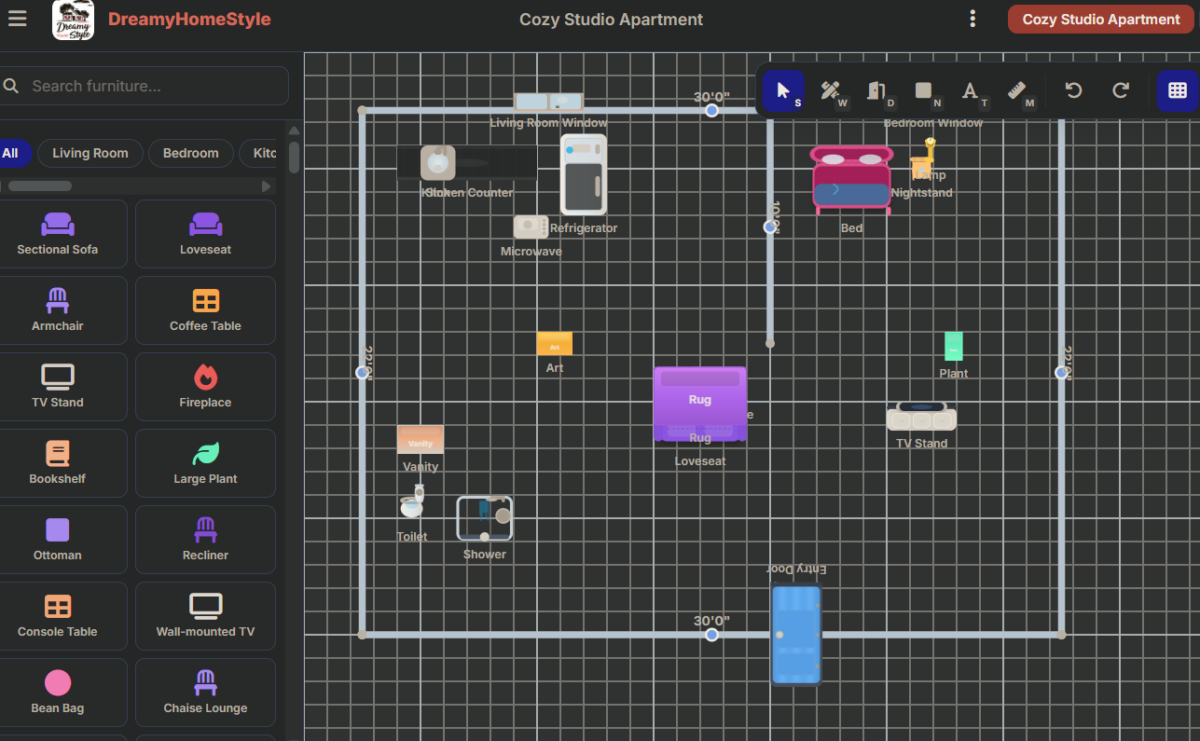
I built a free tool that lets you drag furniture around a 2D floor plan. No signup, no catch.
See the Room Planner →Bring In Natural Elements

Vintage pairs so beautifully with natural, organic textures.
I always tuck in a bit of greenery—eucalyptus stems, dried wheat, a single fern frond in an old bottle.
For dimension, insert faux greenery stems into your display by putting them in items like jars or bowls or laying them on the shelf.
It softens all the hard edges of glass and metal and wood.
And it makes everything feel more alive, like the display is still growing and evolving.
I also love using raw linen, burlap, or worn wooden boards as bases.
These textures add warmth without competing with the vintage pieces themselves.
It’s that mix of old and organic that feels the most authentic to me.
Light It Like You Mean It

Lighting can make or break a vintage display, and I’m not kidding.
Harsh overhead fluorescents?
Instant charm-killer.
But warm, layered lighting?
Chef’s kiss.
Lighted pedestals highlight gemstones, glass collectibles, or intricate details with built-in lighting.
I use small lamps with Edison bulbs, string lights tucked behind shelves, or even candles (real or battery-operated).
The goal is to create pockets of light that draw people in and make everything look a little more golden and glowy.
When I’m setting up a display at home, I always turn off the overhead light and see how it looks with just my lamps on.
If it feels cozy and intimate, I know I’m on the right track.
This or That?
Pick your fave — see what other readers chose! 👀
Keep It Cohesive But Not Matchy-Matchy

You can absolutely mix styles, eras, and materials—but there needs to be a thread.
Keep your inventory cohesive for an intentional and welcoming look, and you can incorporate multiple styles while sticking to a couple key colors or styles balanced throughout your space.
For me, that thread is usually color palette or mood.
I might mix mid-century modern pieces with farmhouse finds, but if they’re all in soft neutrals and warm woods, they feel like they belong together.
Or I’ll do a whole display in shades of green—sage linens, olive pottery, emerald glass.
The variety keeps it interesting.
The cohesion keeps it calming.
And that balance is what makes a display feel curated instead of chaotic.
Tell A Story With Your Signage

I love a good hand-lettered sign or a vintage-style tag that gives a little backstory.
Call out designer names, vintage labels, or rare finds with signs that explain why they’re special—it builds excitement and trust.
“French Linen from the 1940s” just hits different than “Linen.”
“Hand-Painted in Ohio, Circa 1960” makes people stop and look closer.
You’re not just selling stuff—you’re selling stories.
And people connect with stories way more than they connect with objects.
I keep my signage simple and personal, like I’m having a conversation.
No corporate jargon.
Just warmth.
Quick Design Dilemma
Cast your vote — see what other readers think! 🤔
💭 I Wrote a Book About My Biggest Decorating Mistakes!
When I decorated my first home, I thought I knew what I was doing. Spoiler: I didn't. 😅
💸 I bought a sofa way too big for my living room. Paint colors that looked amazing in the store but terrible on my walls.
Rotate Displays Regularly

Even if you’re not bringing in new inventory constantly, you can keep things feeling fresh by rearranging.
Changing the window display and re-merchandising shows customers the store isn’t “dead” for weeks at a time, and they’re intrigued to enter by witnessing change.
I try to shift things around every couple of weeks—move a vignette from one shelf to another, swap out a tablecloth, change which pieces are front and center.
It keeps me inspired, and it makes repeat visitors feel like there’s always something new to discover.
Plus, items that weren’t getting attention in one spot might suddenly shine in another.
It’s a simple trick, but it works wonders.