
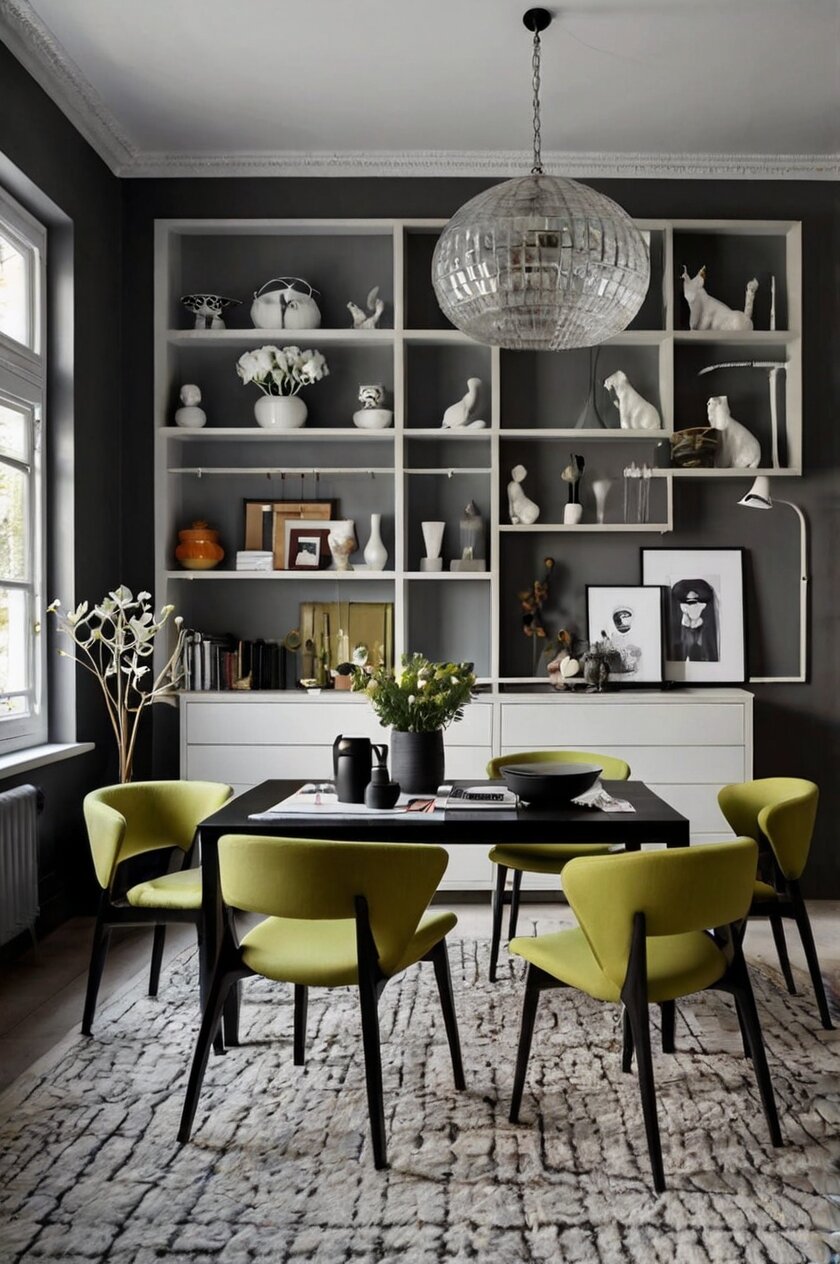

Scandinavian design has taken the world by storm, and it’s not hard to see why.
Clean lines, cozy vibes, and that perfect balance between minimalism and warmth make it one of the most sought-after interior styles today.
If you’re ready to bring that effortless Nordic charm into your home, these ten modern Scandinavian ideas will completely upgrade your space.
Embrace the Magic of Hygge Lighting Layers


Lighting can make or break your Scandinavian interior, and hygge-inspired layering is where the magic truly happens.
You’ll want to ditch the harsh overhead lights that make your space feel like a dentist’s office.
Scandinavian homes prioritize warm, ambient lighting that creates instant coziness and transforms any room into a sanctuary.
Start by incorporating multiple light sources at different heights throughout your space.
Floor lamps with soft, diffused shades work beautifully in corners where you need a gentle glow.
Table lamps on side tables or shelves add dimension and create pockets of warmth that draw the eye.
Pendant lights with minimalist designs can hang over dining areas or kitchen islands, providing focused illumination without overwhelming the space.
The secret lies in choosing bulbs with warm color temperatures, typically between 2700K and 3000K.
These warmer tones mimic the golden hour sunlight that Scandinavians cherish during their long, dark winters.
Candles are absolutely essential to authentic Scandinavian lighting design.
You’ll find that Scandinavians burn more candles per capita than almost anyone else in the world.
Cluster them on coffee tables, windowsills, and mantels to create flickering points of light that instantly elevate the atmosphere.
Invest in quality candleholders made from natural materials like ceramic, wood, or brass.
Dimmer switches are your best friend when creating that perfect Scandinavian ambiance.
They allow you to adjust the intensity based on the time of day and the mood you want to create.
During the day, you can keep things bright and airy, while evenings call for that soft, intimate glow.
String lights aren’t just for the holidays in Scandinavian design.
Drape them along shelves, headboards, or around windows to add a whimsical touch that still feels grown-up and sophisticated.
The key is keeping everything understated and avoiding anything too flashy or ornate.
Remember that Scandinavian design celebrates simplicity, so your light fixtures themselves should be clean-lined and functional.
This layered approach to lighting transforms your space from merely functional to genuinely inviting.
Invest in Timeless Natural Wood Furniture


Natural wood furniture forms the backbone of authentic Scandinavian interior design.
You’ll notice that Nordic homes prioritize pieces crafted from light-colored woods like birch, ash, beech, and pine.
These woods bring warmth without making spaces feel heavy or dark.
The grain patterns and natural variations in the wood add organic texture that keeps minimalist spaces from feeling sterile.
Scandinavian furniture makers are renowned worldwide for their exceptional craftsmanship and attention to detail.
You’re not just buying furniture; you’re investing in pieces that can last generations when you choose quality over quantity.
Look for furniture with clean lines and functional designs that strip away unnecessary ornamentation.
Mid-century modern pieces fit perfectly within the Scandinavian aesthetic and have become increasingly popular.
A simple wooden dining table with tapered legs can become the centerpiece of your eating area.
Pair it with chairs that showcase the natural wood grain and feature ergonomic designs that prioritize comfort.
Wooden shelving units with open designs keep your space feeling airy while providing essential storage.
The beauty of natural wood is that it develops character over time, with each scratch and mark telling a story.
You don’t need to stress about keeping everything pristine and perfect.
Coffee tables in light wood with minimal styling create focal points that ground your living room.
Bed frames in natural wood bring that organic warmth into your bedroom sanctuary.
The trick is mixing different wood tones thoughtfully rather than matching everything perfectly.
This creates depth and prevents your space from looking like a furniture showroom.
Incorporate wooden accent pieces like serving trays, bowls, and decorative objects throughout your home.
These smaller touches reinforce the natural material palette without overwhelming your space.
Avoid heavily stained or painted wood pieces that hide the natural beauty of the grain.
The Scandinavian philosophy celebrates materials in their most authentic form.
When you invest in solid wood rather than veneers or particle board, you’re making a sustainable choice that aligns with Nordic values.
Create a Monochromatic Base with Strategic Pops of Color


Scandinavian interiors are famous for their predominantly neutral color schemes.
You’ll want to start with a foundation of whites, grays, and soft beiges that create a calm, cohesive backdrop.
White walls are practically a signature of Scandinavian design and serve multiple purposes beyond aesthetics.
They maximize the limited natural light available during Nordic winters by reflecting it throughout the space.
Crisp white creates the illusion of more square footage, making even small apartments feel spacious and open.
Your base palette should feel soothing rather than stark or clinical.
Incorporate various shades of white and gray to add depth and prevent the space from looking flat.
Warm whites with slight cream or ivory undertones work better than bright, cool whites in most homes.
Once you’ve established this neutral foundation, you can introduce color strategically.
Scandinavian design typically features muted, nature-inspired accent colors rather than bold, saturated hues.
Dusty blues reminiscent of Scandinavian skies work beautifully as accent colors.
Soft sage greens and muted olive tones bring the outdoors inside and complement natural wood beautifully.
Warm terracotta and rust shades add earthiness and unexpected warmth to cool-toned spaces.
Blush pinks and gentle rose tones create softness without feeling overly feminine or sweet.
The key is using these colors sparingly through textiles, artwork, and smaller decorative objects.
A throw pillow in dusty blue on your neutral sofa creates just enough visual interest.
A terracotta vase on a white shelf becomes a striking focal point.
You can rotate these colorful accents seasonally to refresh your space without major overhauls.
This approach gives you flexibility while maintaining the serene Scandinavian aesthetic.
Black is often used as a grounding accent color in modern Scandinavian interiors.
Black window frames, light fixtures, or cabinet hardware provide definition and prevent spaces from looking washed out.
The monochromatic base also allows your natural materials and textures to truly shine.
When you’re not competing with busy patterns or bold colors, the beauty of wood grain and woven textiles takes center stage.
Maximize Natural Light Like Your Life Depends on It

Natural light is absolutely sacred in Scandinavian design philosophy.
You need to treat your windows as precious assets rather than afterthoughts in your design plan.
Scandinavians experience extremely limited daylight hours during winter months, making every ray of sunshine invaluable.
This cultural relationship with light has shaped their entire approach to interior design.
Start by keeping your window treatments minimal or eliminating them entirely when privacy allows.
Heavy curtains and dark drapes block precious natural light and go against Scandinavian principles.
Sheer white linen curtains offer privacy while still allowing soft, diffused light to filter through.
You can mount curtain rods high and wide to create the illusion of larger windows.
Keep windowsills completely clear or minimally decorated to avoid obstructing light flow.
A single small plant or simple candle is plenty for windowsill styling.
Mirrors are strategic tools for bouncing natural light deeper into your rooms.
Position a large mirror opposite or adjacent to windows to effectively double the light in your space.
Reflective surfaces like glass coffee tables and glossy finishes on furniture also help distribute natural light.
Paint walls in light, reflective colors that amplify rather than absorb available sunlight.
White is the obvious choice, but pale grays and soft creams work beautifully too.
Even your flooring should be light-colored when possible to maximize light reflection.
Light wood floors or pale tiles keep spaces bright and airy.
Avoid placing large furniture pieces directly in front of windows where they’ll block light pathways.
Arrange your seating areas to take advantage of natural light for reading and daily activities.
You’ll find yourself naturally drawn to these sun-filled spots throughout the day.
Glass interior doors or doors with glass panels allow light to flow between rooms.
This creates a sense of openness and prevents any space from feeling like a dark cave.
Keep your rooms clutter-free, as too many objects can create shadows and make spaces feel darker.
The minimalist Scandinavian approach serves the practical purpose of maintaining brightness.
Skylights are worth the investment if you’re doing renovations and want to truly embrace Scandinavian principles.
They flood interiors with overhead light that transforms the entire atmosphere of a room.
Layer Textures to Add Warmth and Depth

Texture is what prevents Scandinavian minimalism from feeling cold or uninviting.
You’ll need to master the art of layering different tactile elements throughout your space.
The monochromatic color palette actually makes texture more important, not less.
Without bold colors to create visual interest, your eye focuses on the interplay of different materials and surfaces.
Start with your flooring by adding natural fiber rugs like jute, sisal, or wool.
These materials bring organic texture and define different zones within open-plan spaces.
Chunky knit throws draped over sofas or beds add instant coziness and visual weight.
The oversized stitching creates dramatic texture that draws the eye and invites touch.
Linen is a Scandinavian staple that works beautifully for curtains, bedding, and throw pillows.
Its slightly rumpled, lived-in quality feels relaxed and unpretentious.
Sheepskin throws add incredible softness and a touch of luxury to chairs and benches.
The long, fluffy texture contrasts beautifully with smooth leather or wood surfaces.
Woven baskets serve double duty as storage solutions and textural elements.
Natural materials like rattan, seagrass, and wicker bring warmth and organic patterns into your space.
Ceramic vases and pottery with matte, unglazed finishes add earthy texture to shelves and tables.
The slightly rough surface feels authentic and handcrafted rather than mass-produced.
Incorporate different weaves and knits in your textiles to create visual variety.
A waffle-weave throw pairs beautifully with smooth linen pillows and a chunky cable-knit blanket.
Wood itself provides wonderful texture through its natural grain patterns and variations.
Rough-hewn wooden bowls contrast with smooth, polished furniture surfaces.
Add texture to your walls through techniques like limewashing or subtle plaster finishes.
These create depth and interest without relying on wallpaper or bold paint colors.
Plants contribute amazing organic texture with their varied leaf shapes and sizes.
The living quality of greenery adds movement and vitality to static interior elements.
Leather furniture develops a beautiful patina over time that adds character and textural interest.
The slightly worn quality aligns perfectly with Scandinavian appreciation for aged materials.
Your goal is creating a space that invites touch and feels welcoming rather than precious.
Bring the Outdoors Inside with Greenery and Natural Elements

The Scandinavian connection to nature is deeply embedded in their design philosophy.
You can create this same relationship by incorporating plants and natural elements throughout your home.
Scandinavians spend as much time outdoors as possible, and their interiors reflect this love of nature.
Large potted plants like fiddle leaf figs or rubber plants make bold statements in corners and empty spaces.
These substantial plants have a sculptural quality that doubles as living art.
Cluster smaller plants at varying heights on shelves, windowsills, and side tables.
This creates a lush, layered effect that brings life and oxygen into your rooms.
Pothos and trailing plants can cascade from high shelves, adding vertical interest and softness.
Snake plants and ZZ plants work perfectly if you don’t have a green thumb.
These nearly indestructible plants thrive on neglect while still providing that essential greenery.
Choose simple, minimalist planters in materials like ceramic, terracotta, or concrete.
The containers should complement rather than compete with the plants themselves.
White or neutral-colored pots maintain the Scandinavian aesthetic while letting the greenery pop.
Bring in branches, dried flowers, and foraged elements from your outdoor adventures.
A simple vase filled with eucalyptus branches or birch twigs creates an elegant, organic arrangement.
Dried grasses and seed pods arranged in tall vessels add height and natural texture.
These arrangements require zero maintenance while still connecting your interior to the natural world.
Stones and pebbles collected from beaches or hikes can be displayed in shallow bowls.
These simple natural objects become meditative focal points that ground your space.
Wooden elements beyond furniture also strengthen the connection to nature.
Driftwood pieces, wooden beads, and carved bowls all reinforce the organic material palette.
Fresh flowers from the market or your garden add pops of natural color.
Scandinavians favor simple arrangements rather than overly styled bouquets.
A few stems in a single-stem vase creates more impact than you might expect.
Natural textiles like linen and cotton come from plants and reinforce the connection to nature.
Even your color choices can reference the natural world through earth tones and sky blues.
The goal is making your interior feel like a natural extension of the landscape outside.
This biophilic design approach has been proven to reduce stress and improve wellbeing.
Master the Art of Decluttering and Functional Minimalism

Scandinavian design is inherently minimalist, but it’s not about deprivation or sterility.
You’re aiming for intentional simplicity where every object serves a purpose or brings genuine joy.
The Nordic approach to minimalism is actually deeply practical and rooted in functionality.
Start by ruthlessly editing your belongings and keeping only what you truly need or love.
This might feel challenging at first, but the visual and mental clarity is absolutely worth it.
Display only your most beautiful or meaningful objects rather than filling every surface.
A single stunning vase becomes more impactful than a cluttered collection of trinkets.
Built-in storage solutions help you maintain clean lines and hide everyday necessities.
Floor-to-ceiling cabinets with simple fronts provide massive storage without visual clutter.
Open shelving can work in Scandinavian spaces, but you need to style it carefully.
Keep shelves organized with matching containers, books arranged by color, and plenty of breathing room.
Your furniture choices should prioritize pieces that offer hidden storage.
Coffee tables with drawers, beds with built-in storage, and benches with lift-up seats maximize functionality.
Avoid the temptation to fill empty spaces just because they’re empty.
Negative space is a crucial design element in Scandinavian interiors.
It allows your eye to rest and makes the pieces you do display more noticeable.
Implement a one-in-one-out rule to prevent clutter from accumulating over time.
When you bring something new into your home, something old should leave.
Your surfaces should be mostly clear, with only a few carefully chosen items.
A single plant, one beautiful object, and maybe a candle are plenty for most surfaces.
Closed storage is your secret weapon for maintaining that clean, minimalist aesthetic.
Everything should have a designated home so you can quickly tidy and reset your space.
Regular decluttering sessions help you maintain the Scandinavian simplicity you’ve created.
Set aside time quarterly to reassess your belongings and remove what no longer serves you.
The functional aspect means your beautiful objects should also be useful.
That gorgeous wooden cutting board can be both art and a practical kitchen tool.
Your minimalism should make your daily life easier, not harder.
Incorporate Cozy Textiles and Soft Furnishings

Textiles are absolutely essential for achieving that warm, inviting Scandinavian atmosphere.
You need generous amounts of soft furnishings to balance the clean lines and minimalist aesthetic.
Scandinavian winters are long and harsh, making coziness a survival necessity rather than a luxury.
Start with your sofa by layering multiple throw pillows in varying sizes and textures.
Mix linen, velvet, wool, and knit pillows to create depth and visual interest.
Stick to your neutral color palette with occasional muted accent colors.
Throw blankets should be abundant and easily accessible for instant coziness.
Drape them over sofa arms, fold them in baskets, or layer them at the foot of your bed.
Choose natural fibers like wool, cotton, and cashmere that feel luxurious against your skin.
Heavy curtains in linen or cotton add softness to windows while maintaining that natural aesthetic.
The way fabric drapes and pools creates beautiful, organic shapes in your space.
Area rugs define spaces and add crucial warmth underfoot, especially on wood or tile floors.
Large, plush rugs in neutral tones ground your furniture arrangements and absorb sound.
Layering rugs creates even more texture and visual interest in living areas.
A smaller patterned rug over a larger neutral one adds dimension without overwhelming.
Your bedding should be hotel-quality and impossibly inviting.
Multiple pillows, a down duvet, and high-thread-count linen sheets create a luxurious sleep sanctuary.
White or neutral bedding maintains the Scandinavian aesthetic while feeling fresh and clean.
Window seats piled with cushions become perfect reading nooks and cozy retreats.
These built-in features maximize space while creating incredibly inviting spots.
Upholstered furniture in natural fabrics like linen or cotton adds softness to seating areas.
The slightly relaxed look of these fabrics fits perfectly with Scandinavian casual elegance.
Table linens in quality materials elevate everyday meals into special occasions.
Simple linen napkins and tablecloths bring texture and warmth to dining spaces.
Your textile choices should invite lounging, nesting, and getting comfortable.
The Danish concept of hygge is all about creating cozy contentment through these soft elements.
Choose Multifunctional Furniture for Smart Living

Scandinavian design brilliantly combines beauty with practical functionality.
You’ll want furniture pieces that work harder and serve multiple purposes in your space.
This approach is especially important in smaller homes where every square foot counts.
Nordic countries often have modest living spaces, making efficiency a design priority rather than an afterthought.
Extendable dining tables are perfect for everyday use and hosting larger gatherings.
You can keep them compact most of the time and expand when guests arrive.
Look for designs with clever mechanisms that extend smoothly and lock securely.
The extended sections should blend seamlessly with the original table when deployed.
Storage beds with built-in drawers eliminate the need for bulky dressers.
You can tuck away off-season clothing, extra linens, or any items you don’t need daily access to.
Platform beds with lift-up mattress bases reveal massive storage cavities underneath.
This hidden storage maintains clean lines while maximizing every inch of space.
Sofa beds have evolved far beyond uncomfortable futons with metal bars.
Modern designs offer genuine comfort for both sitting and sleeping.
They’re perfect for home offices that occasionally need to accommodate overnight guests.
Nesting tables can be separated when you need multiple surfaces or stacked when you need floor space.
This flexibility allows you to adapt your living room to different activities and occasions.
Ottomans with removable tops serve as footrests, extra seating, and hidden storage.
Place them in living rooms or at the foot of beds for maximum versatility.
Benches with built-in storage work beautifully in entryways for shoe storage.
They provide a place to sit while putting on shoes and hide the inevitable clutter.
Fold-down desks mounted to walls create workspaces that completely disappear when not needed.
This is perfect for small apartments where dedicated office space isn’t possible.
Modular shelving systems can be reconfigured as your needs change over time.
You can add sections, change heights, or completely rearrange the configuration.
Dining chairs that stack allow you to store extras and bring them out for dinner parties.
This prevents your dining area from feeling cramped with permanently placed chairs.
Coffee tables with lift-top mechanisms create impromptu work surfaces or dining tables.
You can comfortably use a laptop or eat a meal without hunching over.
The Scandinavian philosophy values quality over quantity in furniture selection.
Choosing multifunctional pieces means you need fewer items overall, supporting the minimalist aesthetic.
Add Personality with Carefully Curated Artwork and Objects

Scandinavian minimalism doesn’t mean your space should lack personality or character.
You can absolutely inject your individual style through thoughtfully selected art and decorative objects.
The key is being selective and intentional rather than filling walls and surfaces indiscriminately.
Abstract art with muted colors works beautifully within the Scandinavian color palette.
Soft watercolors, gentle brushstrokes, and organic shapes complement the overall aesthetic.
Black and White photography creates striking focal points without introducing competing colors.
Large-scale prints make bold statements and can define entire wall sections.
Botanical prints and nature-inspired artwork reinforce the connection to the natural world.
Simple line drawings of leaves, mountains, or landscapes feel modern and organic.
You’ll want to frame your artwork in simple, clean-lined frames that don’t overpower the images.
Natural wood frames or thin black metal frames work perfectly for most pieces.
Create gallery walls with careful spacing and alignment for a curated, intentional look.
The negative space between frames is just as important as the artwork itself.
Sculptural objects on shelves and surfaces add three-dimensional interest.
Ceramic vases, wooden sculptures, and metal objects create focal points without visual clutter.
Books are decorative elements in Scandinavian homes, not just reading material.
Arrange them both vertically and horizontally on shelves, perhaps organized by color.
Beautiful coffee table books become conversation starters and add personality to your living room.
Choose books with covers that complement your color scheme and reflect your interests.
Handmade ceramics and pottery add artisanal quality and unique character.
Imperfect, handcrafted pieces feel more authentic than mass-produced decorative items.
Travel souvenirs and meaningful objects tell your personal story.
A beautiful shell from a beach vacation or a vintage find from a flea market adds individuality.
The trick is displaying these items with plenty of breathing room around them.
Each piece should feel special and intentional rather than part of a cluttered collection.
Rotate your displayed items seasonally to keep your space feeling fresh and dynamic.
This also prevents you from becoming blind to objects you see every day.
Scandinavian design offers a refreshing approach to modern living that balances simplicity with warmth.
By incorporating these ten ideas, you’ll create a space that feels both serene and inviting, minimal yet cozy.
The beauty of this design philosophy is its flexibility—you can adapt these principles to fit your personal style while maintaining that signature Nordic charm that makes coming home feel like the best part of your day.
Related read: The IKEA Kallax Bible — Instant PDF + Kindle download. Secure checkout by Stripe