
My side gate area was basically a graveyard for forgotten garden hoses and a bag of potting soil that had been rained on so many times it was basically a brick.
I walked past it every single day and felt that low-grade guilt you feel about a space you know you’re wasting.
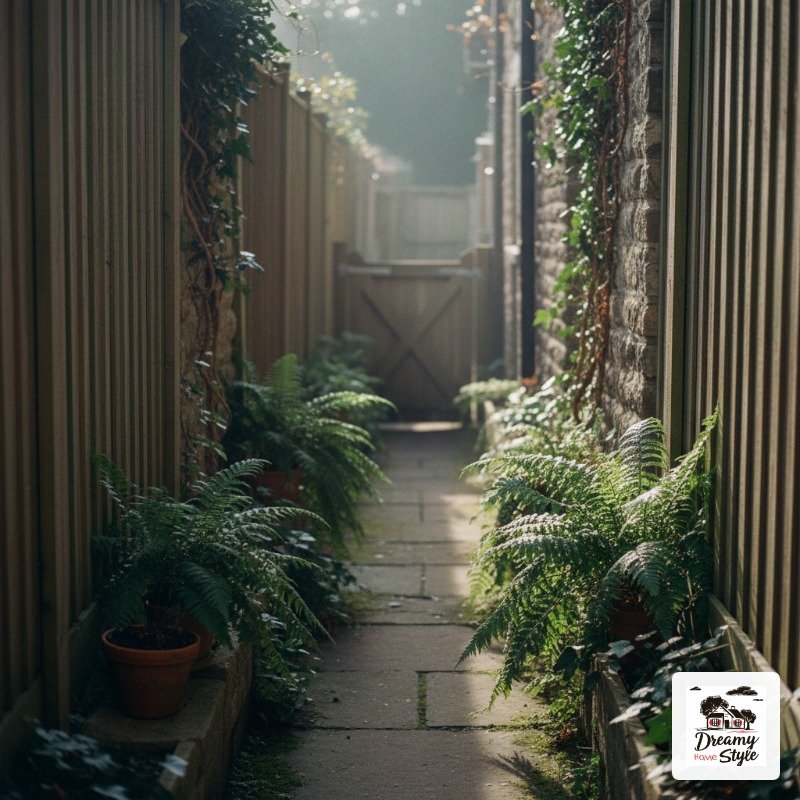
Then one afternoon I accidentally knocked over a potted fern and had to crouch down in that weird little corridor to pick it up — and I just… stayed there for a second.
The light was actually kind of incredible.
Filtered and shadowy and cool.
And I thought, oh.
OH.
This isn’t a trash zone.
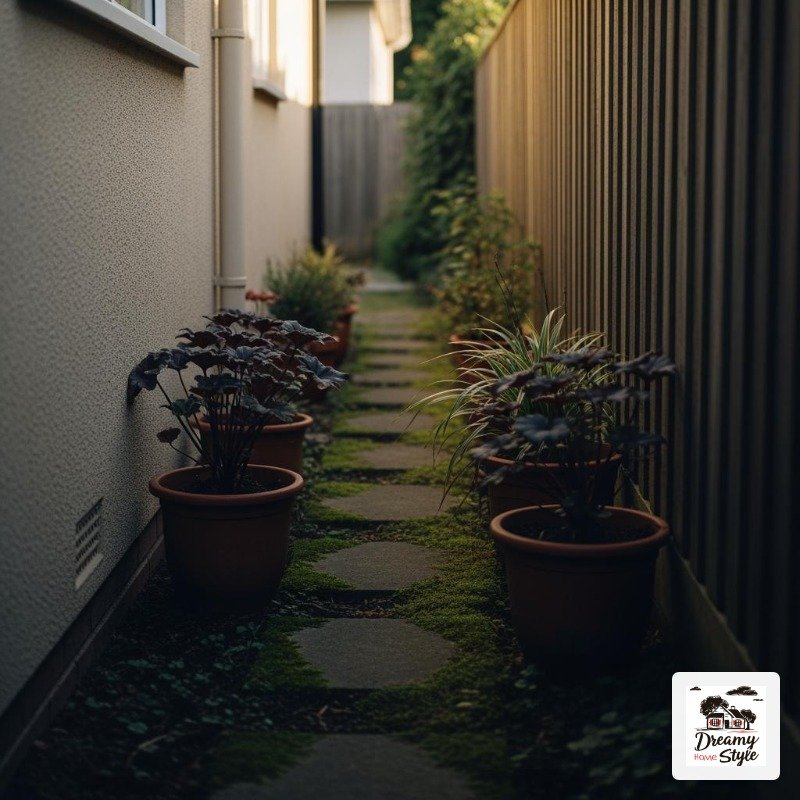
This is a moody garden nook waiting to happen.
Why Your Side Gate Is Secretly the Best Spot in Your Yard
Side gates have this reputation as purely functional space.
Like, you go there to drag the recycling bin out.
That’s it.
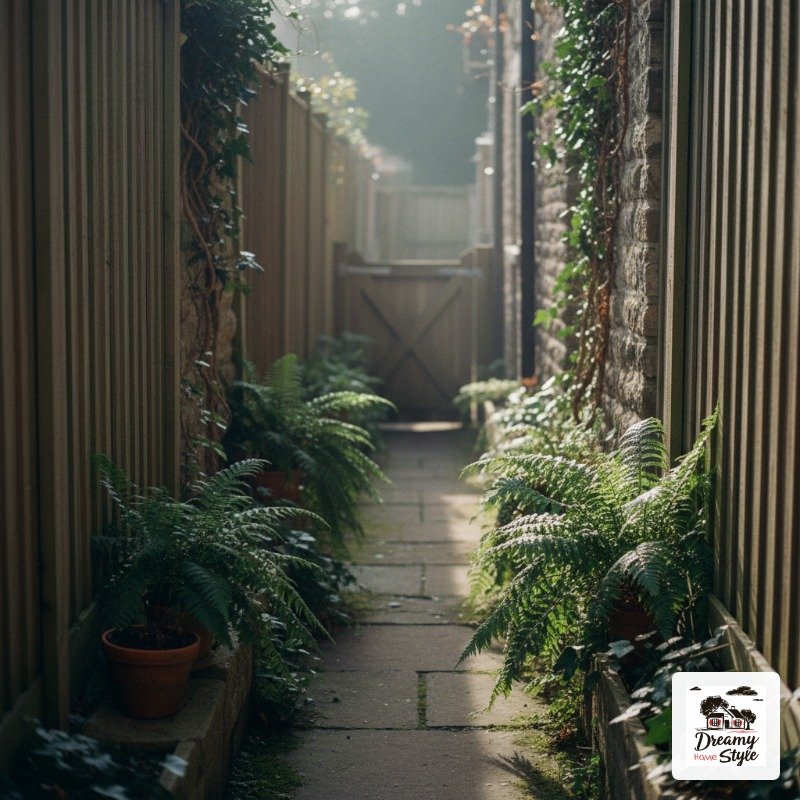
But honestly, that narrow corridor between your house and your fence is one of the most atmospheric spots on your entire property.
The light is different there.
It’s not the harsh, bake-everything afternoon sun you get in the backyard.
It’s cooler.
More dramatic.
It filters through in these slanted little beams, especially in the morning, and it feels almost intentional — like someone set up a photography shoot.
The enclosed feeling is actually a feature, not a bug.
Being surrounded on two or three sides makes it feel like a secret.
And secret little spaces are basically magic in a home garden.
I completely ignored mine for two years.
Two years of walking past a tiny strip of potential every single day.
Don’t be me.
First Step: Actually Look at What You’re Working With
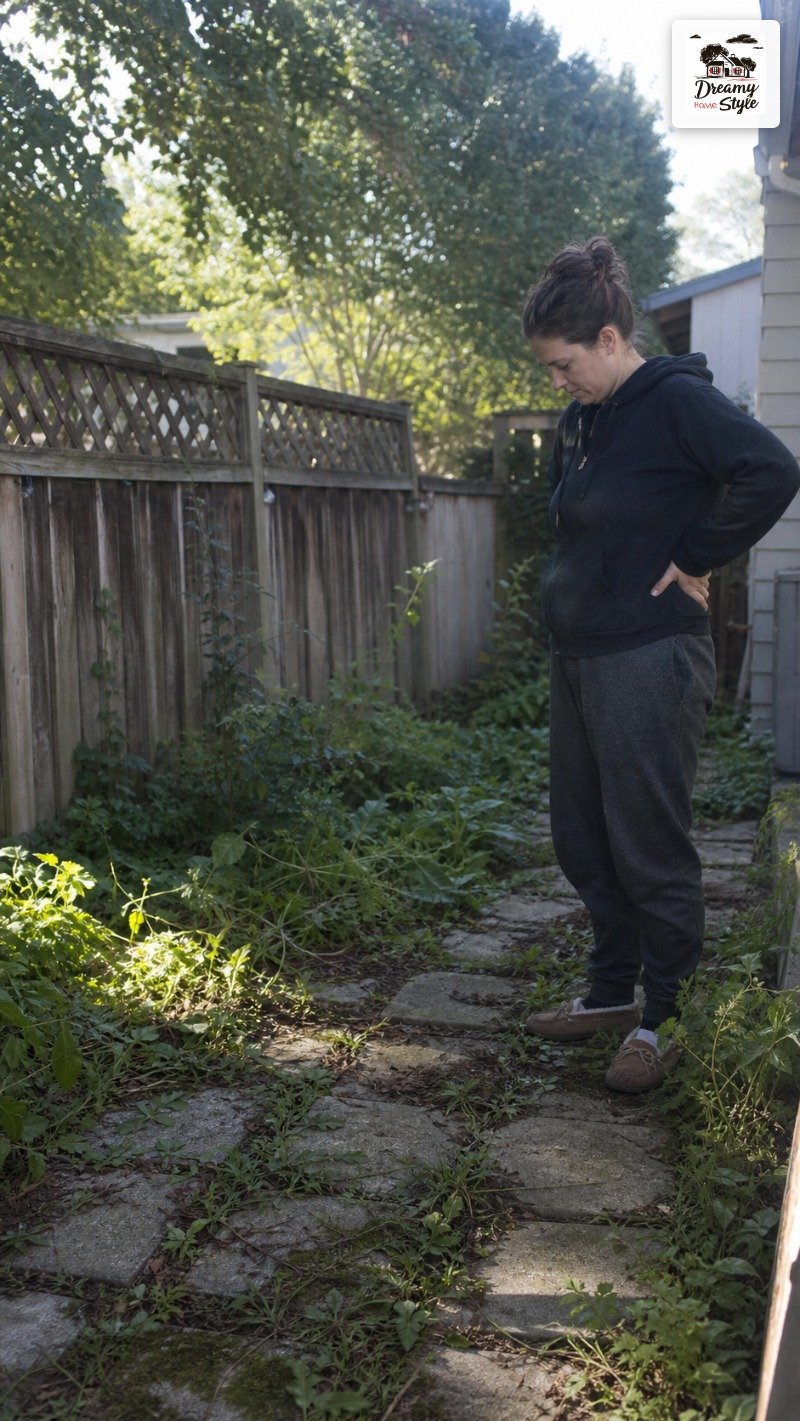
Before you buy a single thing, go stand in your side gate area for five minutes.
Not to grab something.
Just to stand there and look.
Notice the light situation.
Is it mostly shaded?
Does it get direct sun in the morning?
Does one section get harsh afternoon sun while the other stays cool?
That’s going to determine almost everything — what plants survive, what furniture materials hold up, what lighting you’ll need at night.
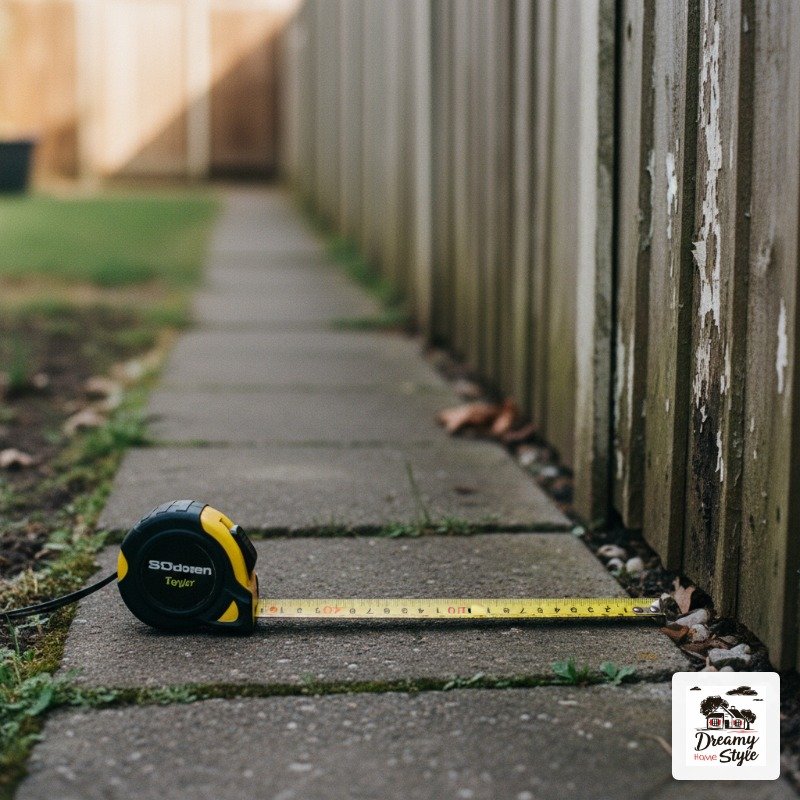
Measure it.
Like, actually get the measuring tape.
Mine is about four feet wide and roughly eighteen feet long.
Narrow enough that you can’t put a whole seating area in there, but long enough that it can feel like a little journey.
Also look at the surfaces.
Do you have cracked concrete, bare dirt, gravel?
What’s the fence material?
What’s the house siding?
All of that is context.
It’s your palette before you even choose a plant.
The Moody Aesthetic: What It Actually Means for a Side Nook
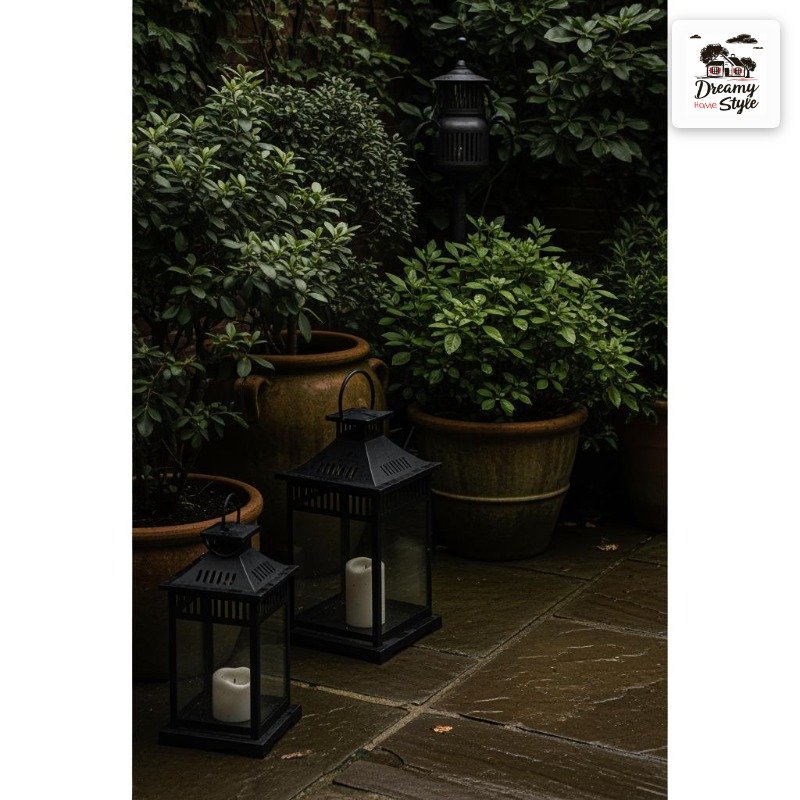
When I say moody, I don’t mean dark and depressing.
I mean rich.
Layered.
The kind of space where the light feels intentional and the plants look like they’ve been there forever.
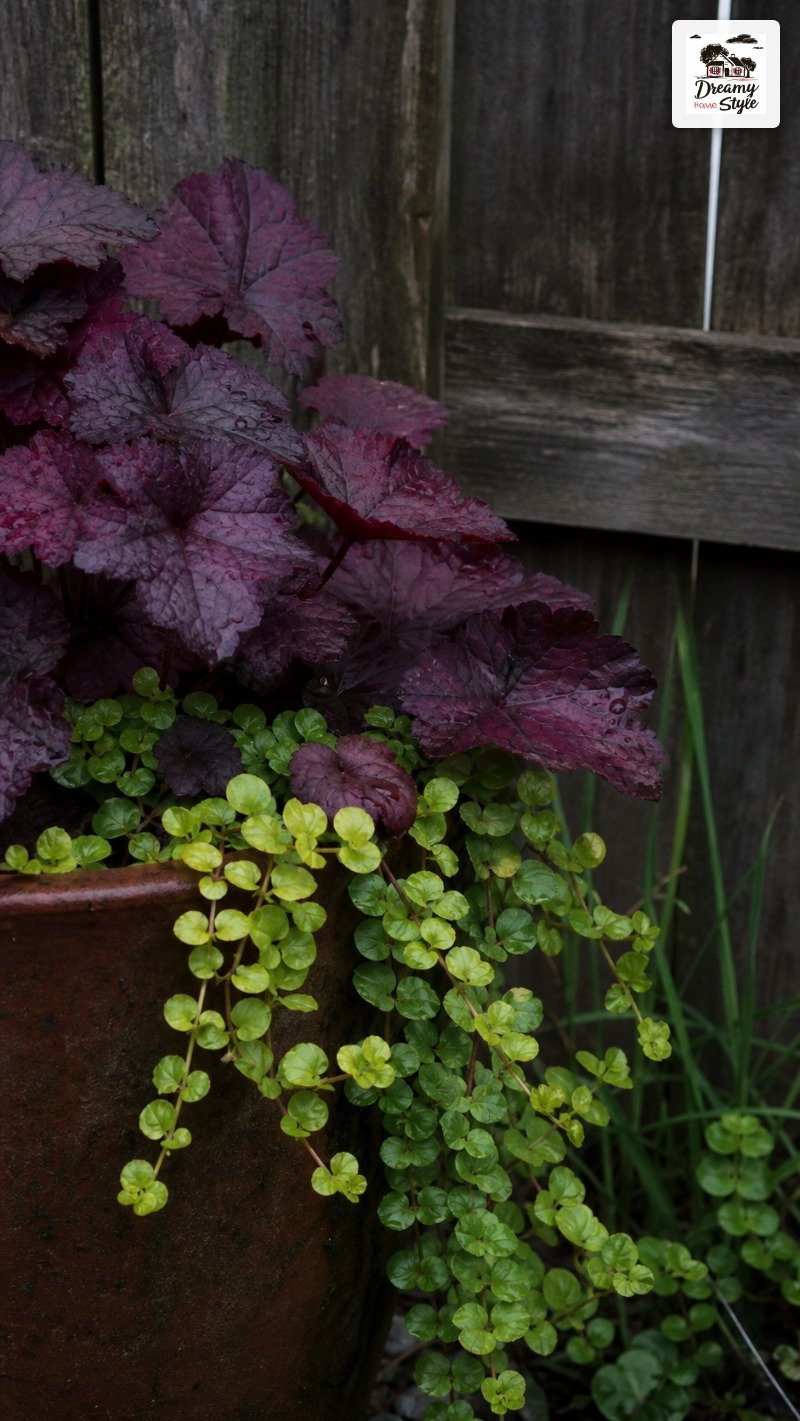
Think deep greens, near-blacks, dusty mauves.
Plants with drama — big leaves, trailing vines, things that cast interesting shadows.
Materials that age well: aged terracotta, raw wood, dark wrought iron, stone that gets a little mossy.
Moody is also about restraint, weirdly.
You’re not cramming every cute thing you found at HomeGoods in there.
You’re choosing a few things that feel deliberate.
That negative space matters.
This aesthetic works SO well in a side gate area specifically because that enclosed, shadowy quality already leans moody.
You’re not fighting the space — you’re leaning into what it naturally wants to be.
Ground Level: What You Put Under Your Feet Changes Everything
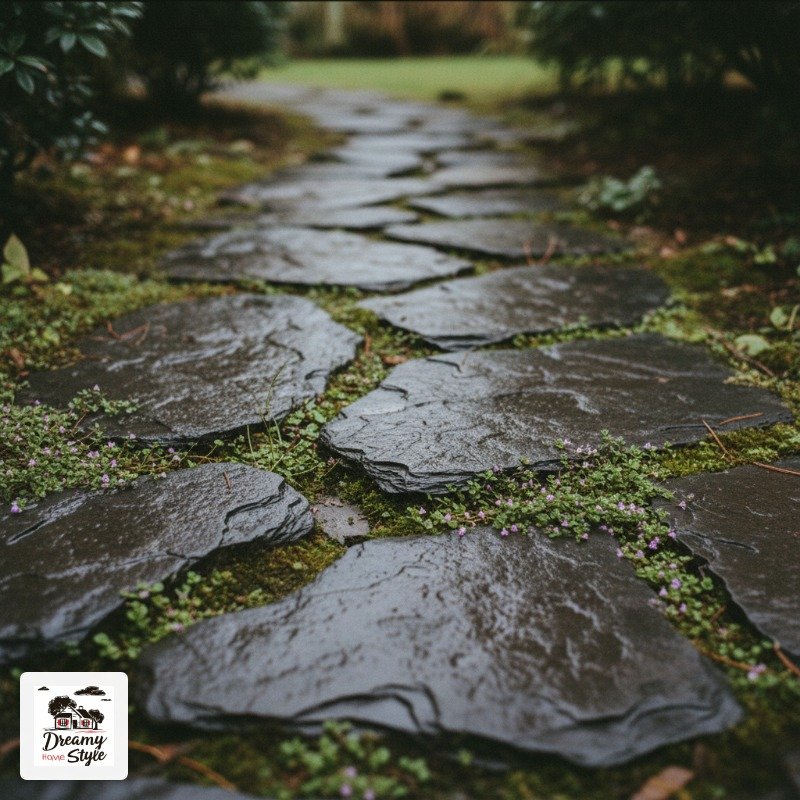
I learned this the expensive way — I spent all my energy on plants and totally ignored the ground, and the space still looked wrong.
Like a beautiful painting in a bad frame.
For a moody nook, you want ground materials that feel organic and worn-in.
Large slate stepping stones with creeping thyme growing between the cracks.
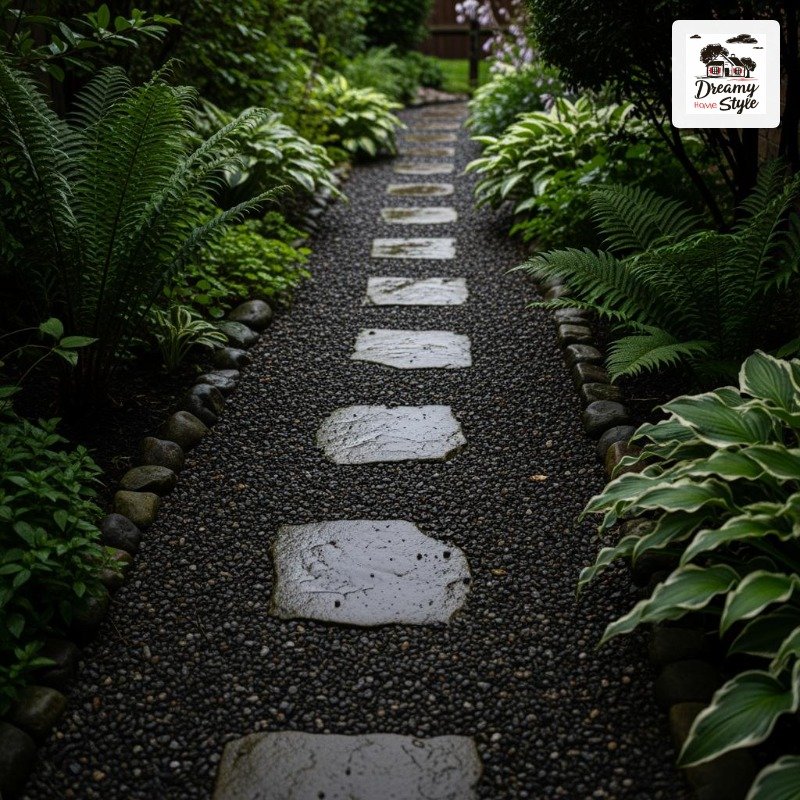
Dark pea gravel.
Reclaimed brick in a herringbone pattern.
Even just sealing and painting old concrete a deep charcoal gray makes a massive difference.
Avoid plain concrete or beige pavers if you can help it.
They read as parking lot.
Which is fine in some contexts, but not what we’re going for here.
If your budget is tight (and mine always is), bags of dark pea gravel from the hardware store run about $8 each and completely change the vibe of a space.
That’s genuinely one of the best returns on a home exterior investment I’ve ever made.
Plants That Actually Thrive in That Weird Shady Corridor
 Plants That Actually Thrive
Here’s where a lot of people mess up — they plant things that need full sun in a space that gets maybe two hours of direct light a day.
And then those plants look miserable and so does the whole nook.
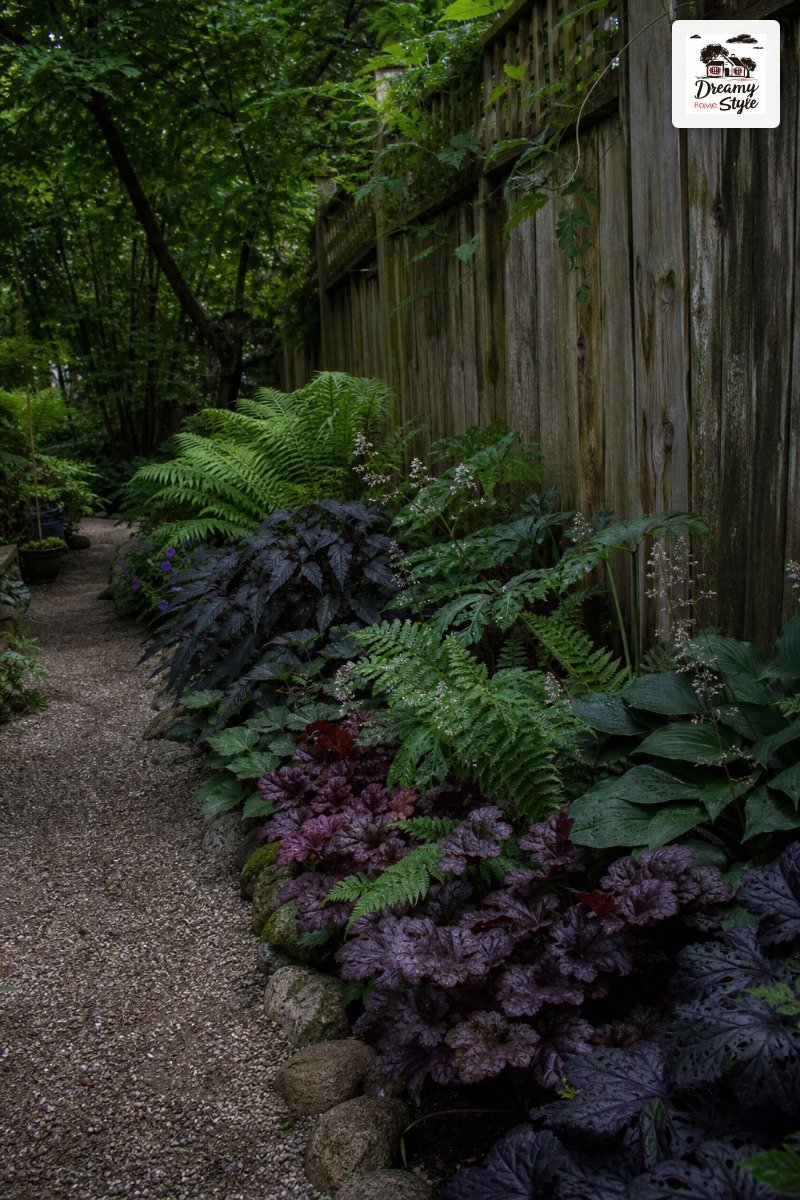
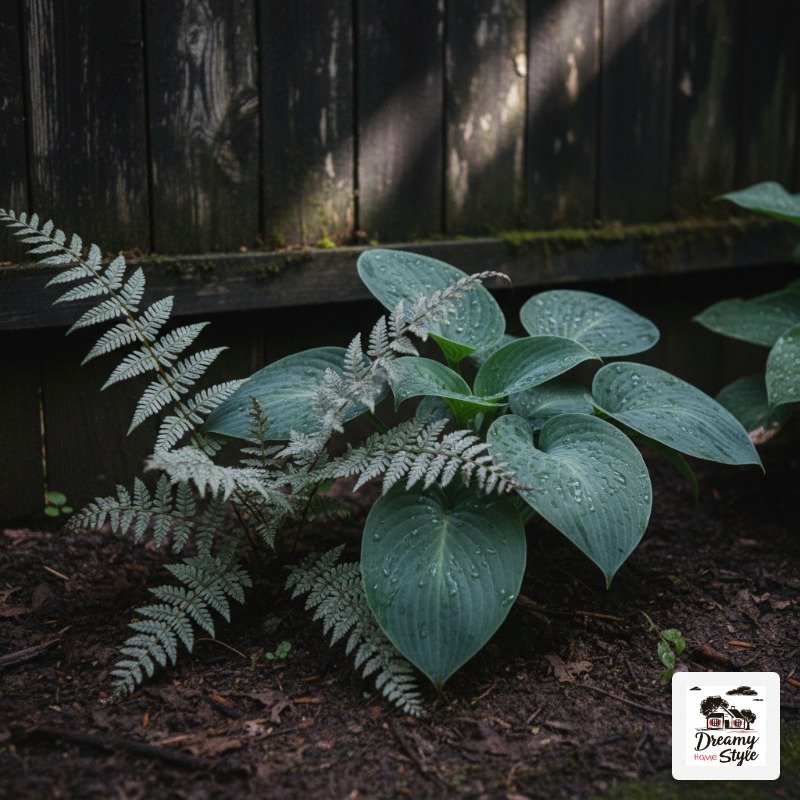
Ferns are basically made for this situation.
Boston ferns, Japanese painted ferns, autumn ferns.
They love shade, they love the slightly higher humidity you get in an enclosed space, and they look incredible and lush and dramatic.
Hostas are another one.
Especially the darker varieties — some of them are almost blue-green and they have this incredible architectural quality.
They come back every year and they get bigger.
I have ‘Halcyon’ hostas along my side gate and they’re honestly the best $14 I’ve ever spent at the garden center.
For vertical interest: climbing hydrangea on the fence, or a simple ivy.
Heuchera (also called coral bells) gives you that dark burgundy and deep purple color that makes everything feel moody without a single stroke of paint.
The Fence: Stop Treating It Like a Boring Wall
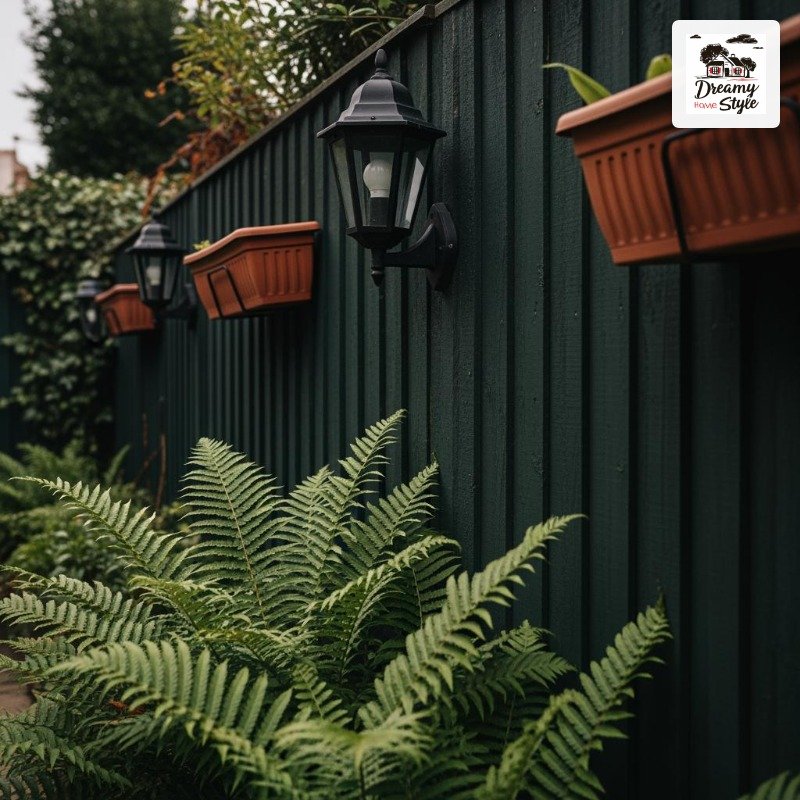
Your fence is literally the biggest surface in that space.
It’s doing so much visual heavy lifting.
If it’s just bare wood or plain vinyl, you’re leaving enormous potential on the table.
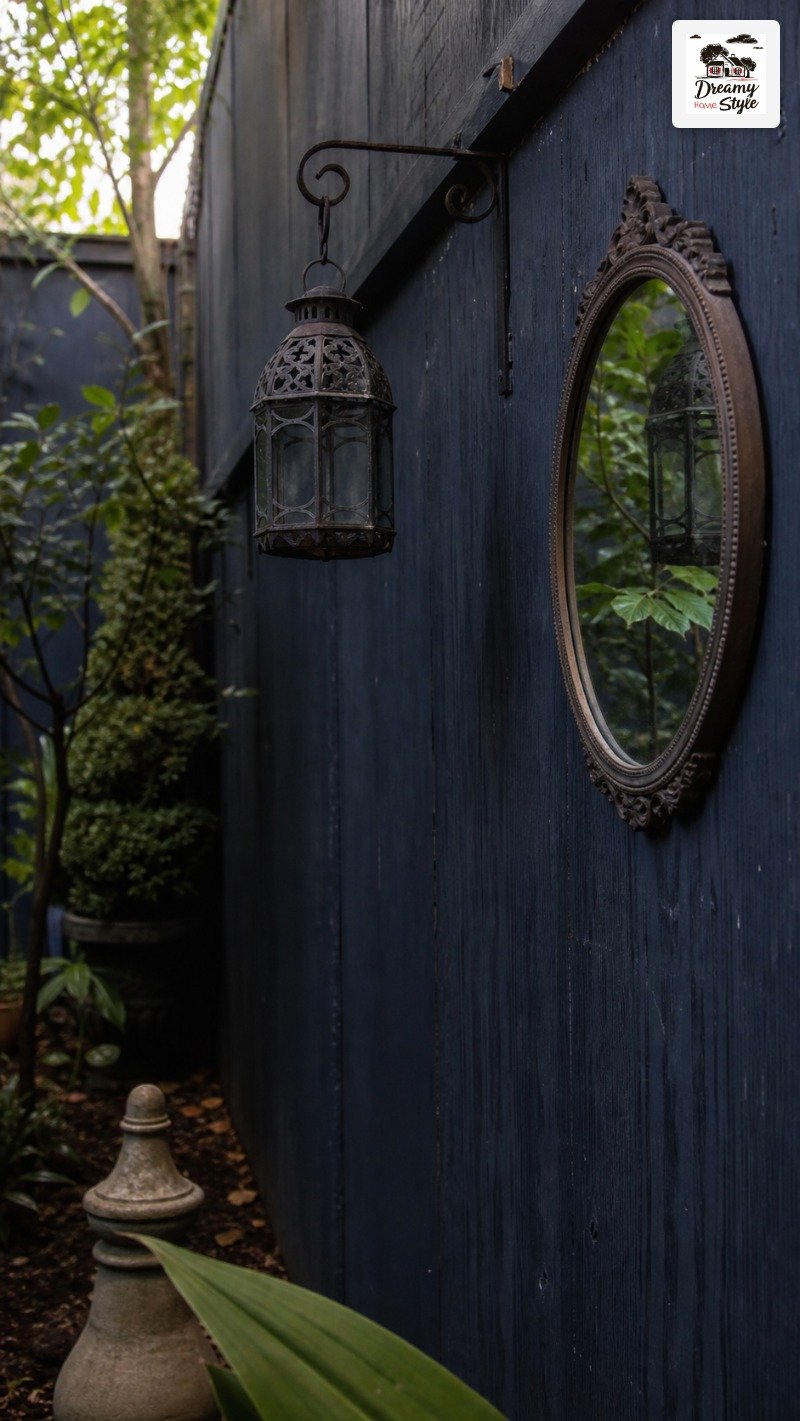
Painting a fence in a side corridor a deep, moody color does something almost unreasonable to how the whole space feels.
I’m talking deep forest green, near-black charcoal, or even a dark navy.
It makes the plants pop, it makes the space feel intentional, and it photographs like a dream.
You can also hang things on the fence.
A vintage mirror (yes, outside — it’s incredible for bouncing light in a shaded space).
Black iron hooks with hanging lanterns.
A simple wooden shelf for potted herbs.
Just don’t do a stencil pattern.
I’ve seen it done well exactly once.
Lighting After Dark: This Is Where the Magic Actually Happens
Overhead lighting is a crime.
I say this about indoor spaces constantly and I will absolutely say it about outdoor spaces too.
A single bare bulb fixture on your house wall will make your moody nook look like a parking structure at 9pm.
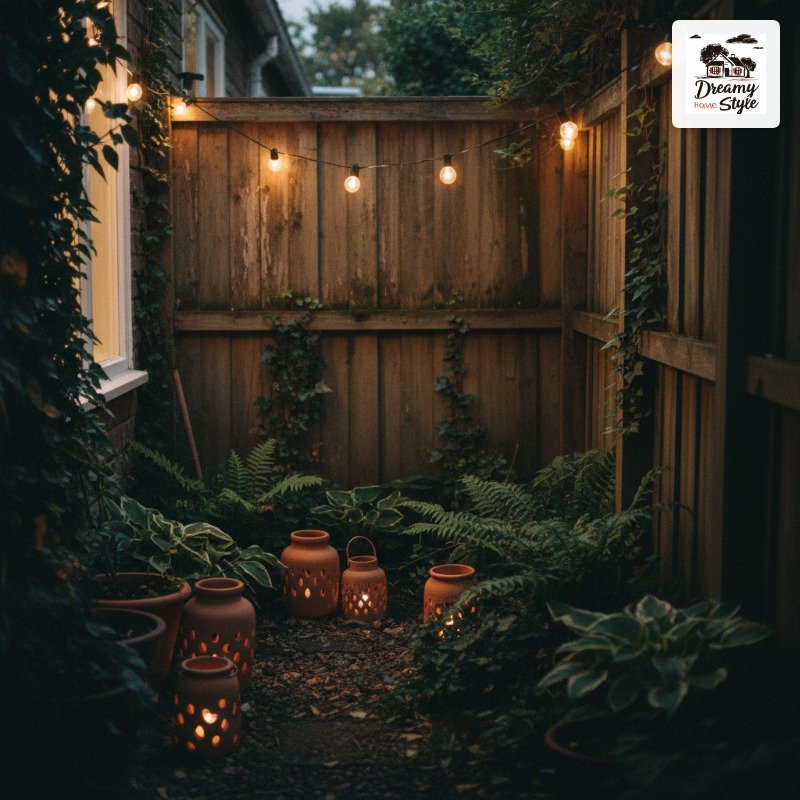
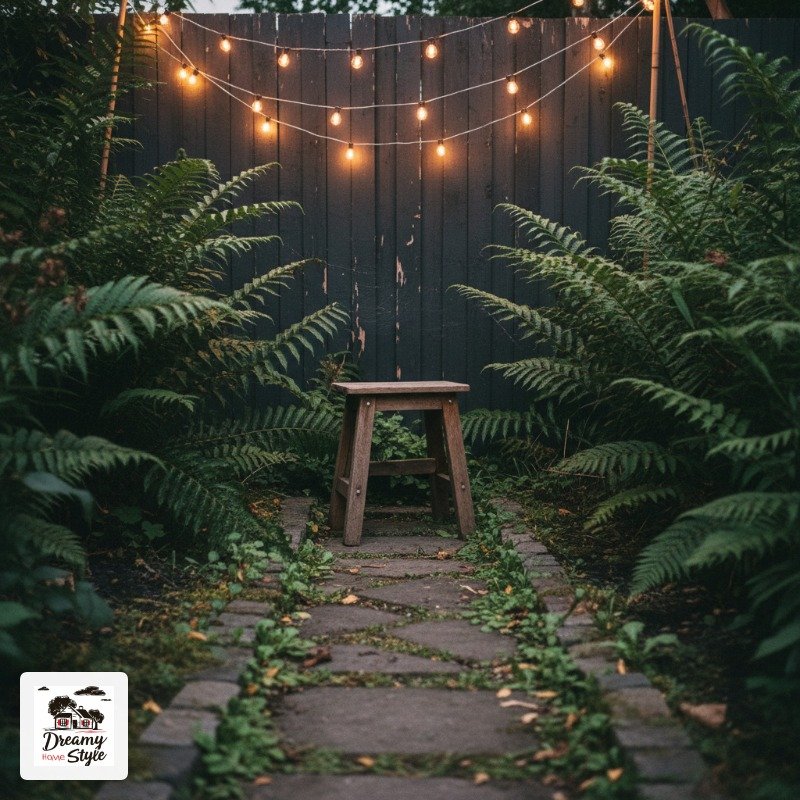
String lights strung low along the fence.
Lanterns on the ground with real or LED candles — I use the warm amber flicker LED ones because Biscuit has knocked over actual candles before and I’d like to keep the house.
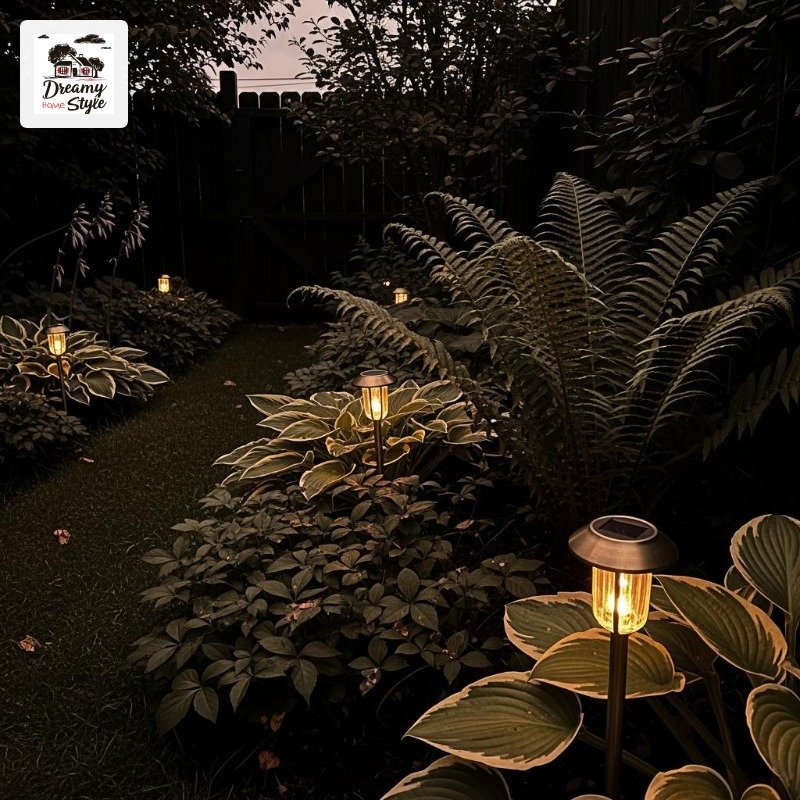
Small solar stake lights in a deep brass finish that glow warm and low through the plants.
The goal is light at multiple heights.
Ground level, mid-level, maybe one thing hung overhead.
You want it to feel layered and warm, not floodlit.
I found some waterproof LED Edison-style string lights at IKEA for around $20 and they’ve lasted two summers so far.
That’s all you need.
Adding a Tiny Seating Moment (Even in a Narrow Space)
Four feet wide sounds like nothing.
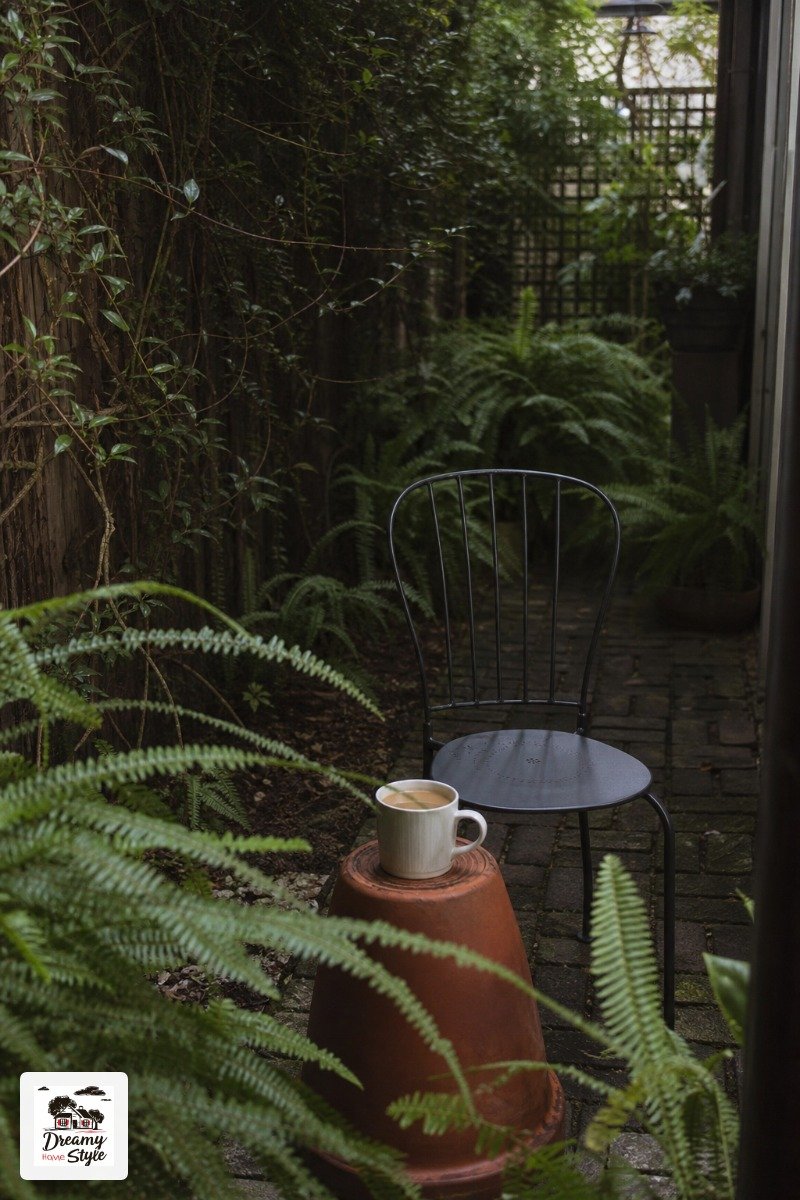
But a small folding bistro chair and a flat-topped planter as a side table?
That’s a seating moment.
Honestly it’s cozier than my living room sometimes.
The trick is to pick one spot in the corridor — probably near the gate or at the far end — and treat it as the focal point.
Put a single chair there.
A small stool.
Even just a weathered wooden crate that can double as a surface.
I use a black metal folding chair from Target (the $35 kind) paired with a big terracotta pot turned upside down as a table.
It’s ridiculous how much it works.
You’re not trying to fit a whole patio set.
One intentional little spot to sit with your coffee and pet Biscuit (or whatever your equivalent of Biscuit is) is all you need.
Scent: The Layer Most People Completely Forget
A side gate nook that looks good is one thing.
A side gate nook that smells incredible is something else entirely.
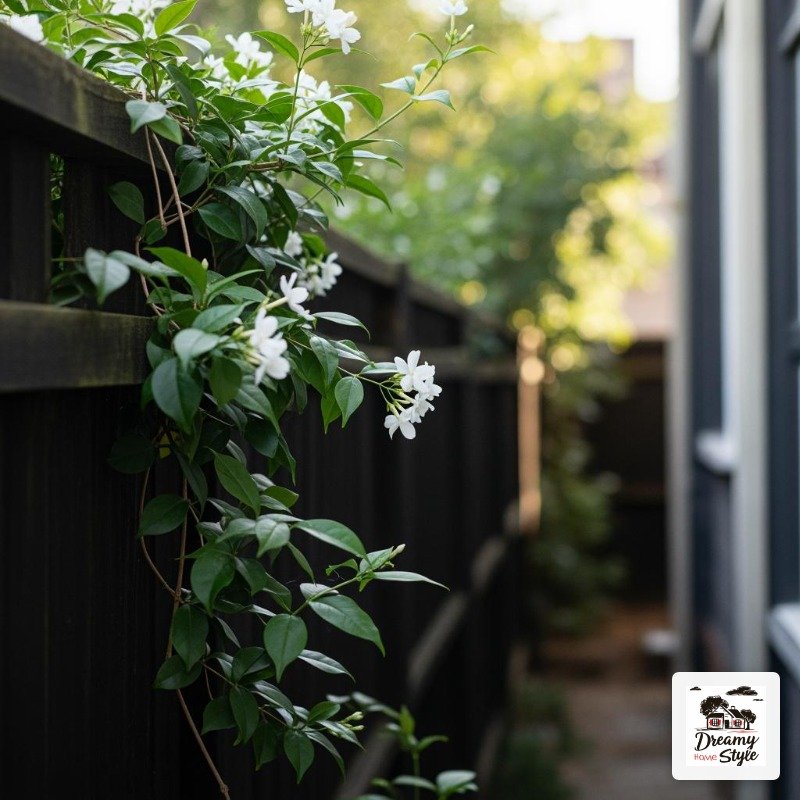
Jasmine on the fence is the obvious answer and honestly there’s a reason it’s obvious — it’s unbelievable.
Even a small jasmine plant will fill that enclosed corridor with scent on a warm evening in a way that stops you in your tracks.
Sweet box (Sarcococca) is one I only discovered last year and now I’m obsessed — it blooms in late winter, it’s evergreen, it’s shade-tolerant, and it smells like vanilla honey.
In a shaded side corridor it’s basically perfect.
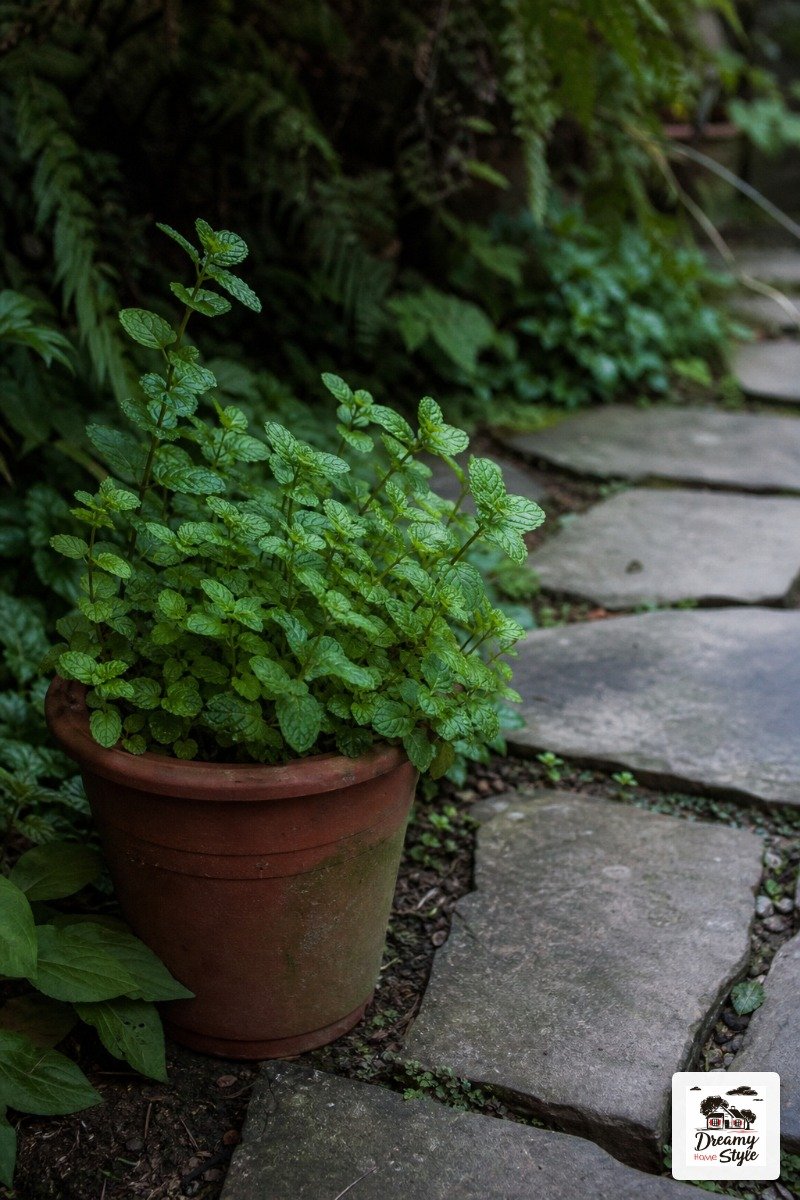
Mint in a pot (contained, always contained or it’ll eat everything) along the path means every time you brush past it you get that clean sharp scent.
Little sensory details like that are what make a space feel alive.
Dark Paint on the House Wall Changes the Whole Equation
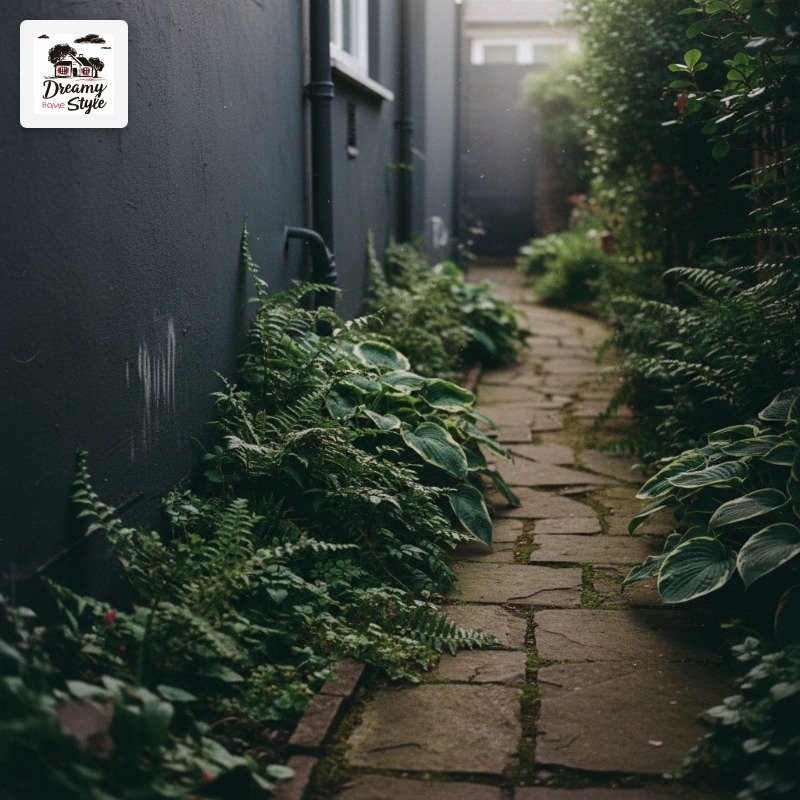
If you have a side wall of your house that runs along that corridor, consider painting just that section a deep, moody color.
I know that sounds dramatic.
It is dramatic.
That’s the point.
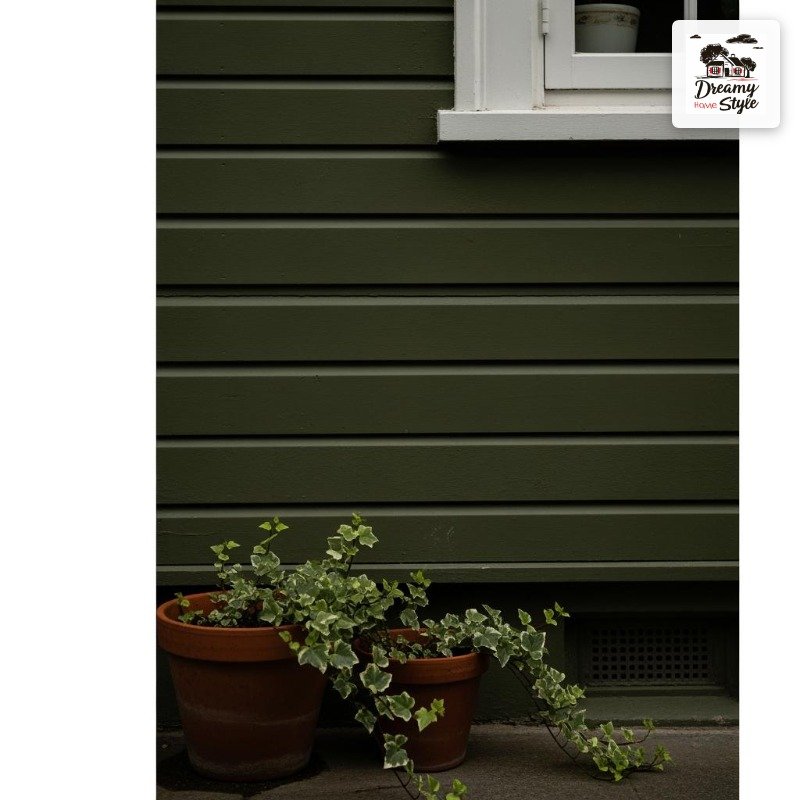
Deep olive green, charcoal, or dark teal on that wall will unify the whole space and make it feel designed rather than accidental.
It’s like giving the nook a backdrop.
Check your paint first — you want exterior paint rated for the sun exposure your wall actually gets.
And yes, test a sample first.
I painted a whole wall charcoal once without testing and it looked purple in afternoon light.
A completely different vibe than I wanted (though honestly I didn’t hate it).
Even if you just paint the lower half, or just the fence, that concentrated dark color does something that brightens all your plants by contrast.
Thrift Store and Vintage Finds That Work Perfectly Here
This is where my two greatest hobbies — thrift shopping and avoiding paying full price for anything — fully converge.
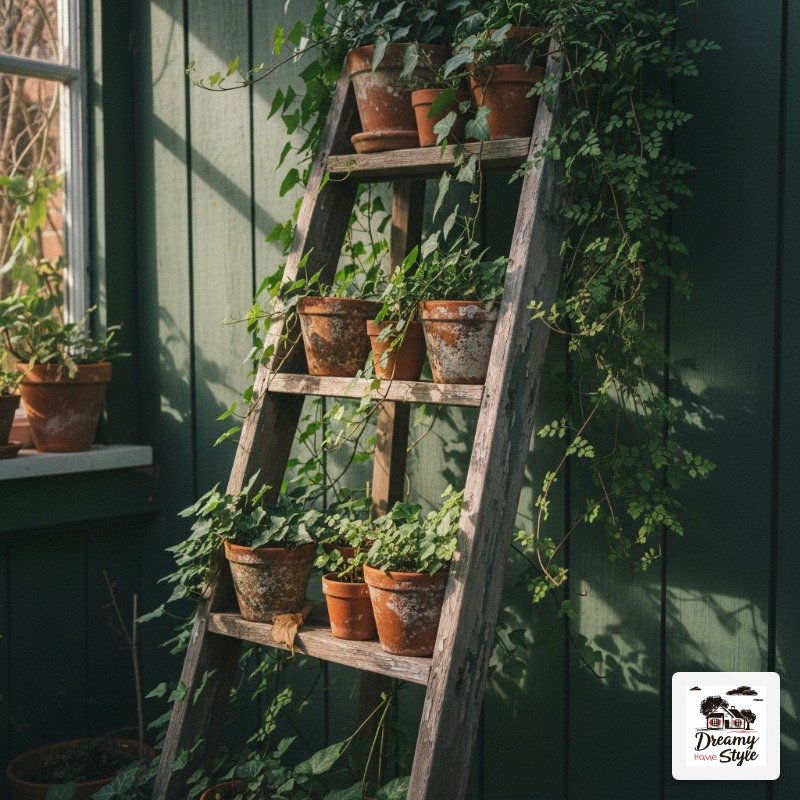
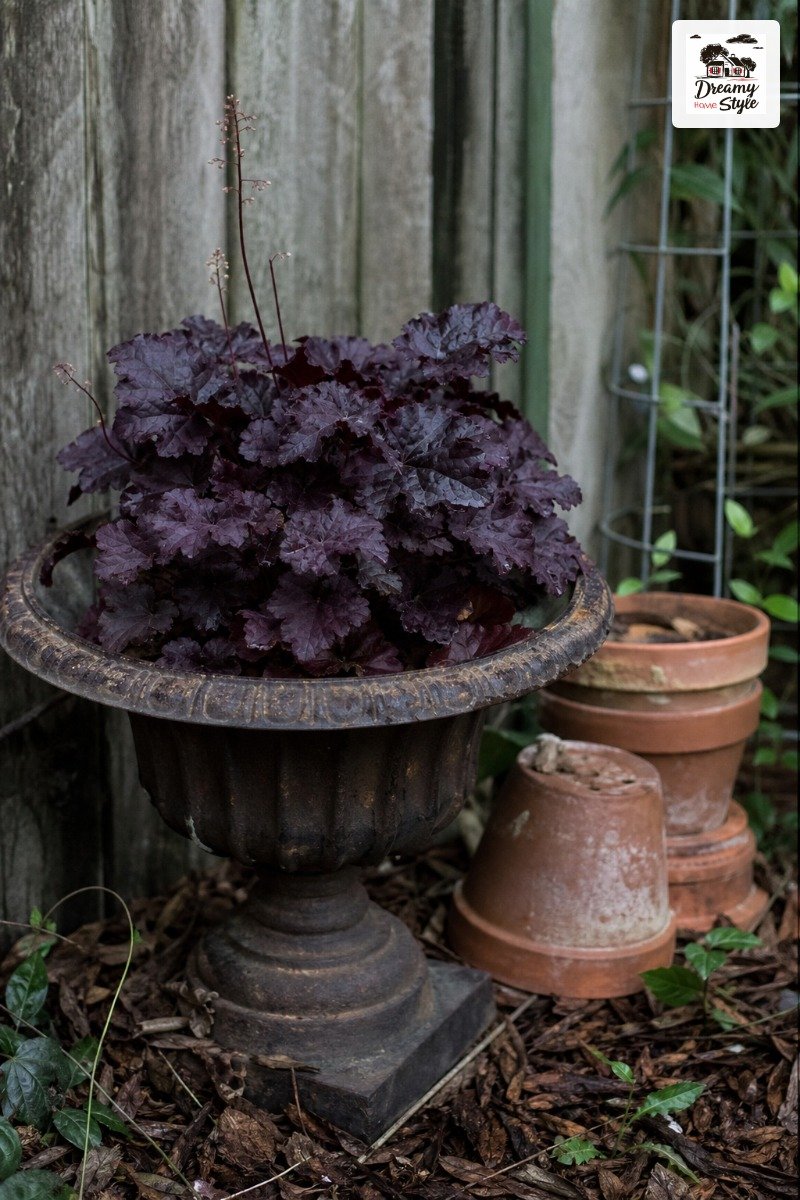
Old cast iron pieces are incredible in a moody garden nook.
I found a small cast iron urn at a Goodwill for $8 that I planted with dark burgundy heuchera and it looks like it’s been in my garden for decades.
Old watering cans, iron hooks, stone garden ornaments — all of these age beautifully in an outdoor space and cost almost nothing secondhand.
Vintage terracotta is also amazing.
The old, thick-walled stuff that has that dusty white mineral residue on the outside.
It looks incredible with ferns spilling out of it.
I will honestly fight someone at the thrift store for good terracotta.
Even an old wooden ladder leaned against the fence for climbing plants or to display small pots — I got one for $4 at an estate sale and it’s now my favorite part of the whole nook.
Dealing With the Ugly Functional Stuff That Lives There
Let’s be real.
The side gate area is where the garden hose lives.
Maybe the trash bins.
Maybe a coiled extension cord you forgot about.
You can’t just pretend it doesn’t exist.
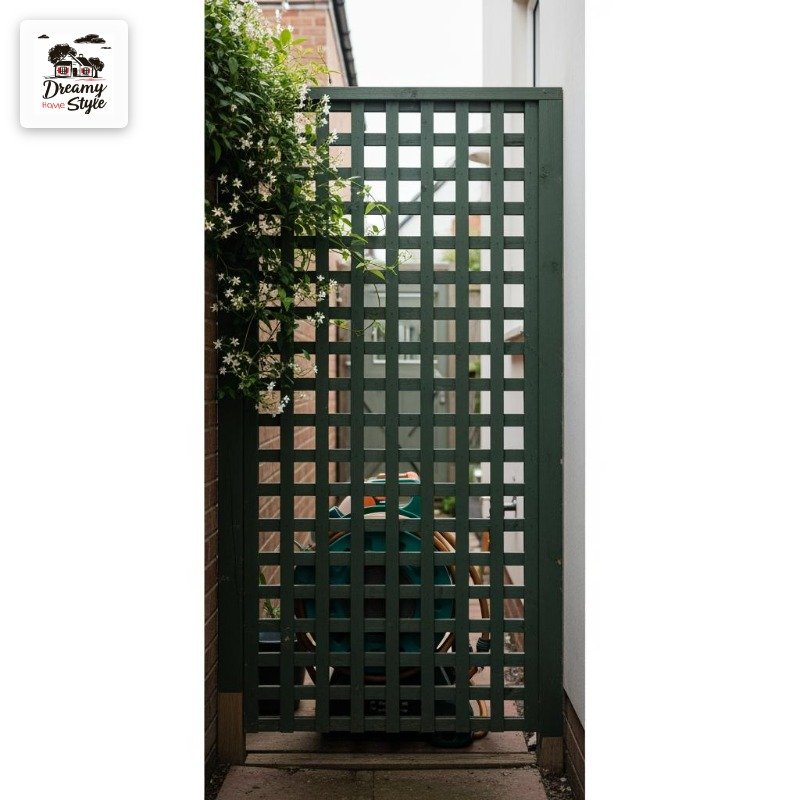
A simple wooden screen or lattice panel goes a long way.
You can buy these at any hardware store for about $25 and paint them to match your fence.
Tuck the hose reel behind it.
Done.
The screen also gives you something to grow climbing plants on, so it’s doing double duty.
For trash bins: a simple wooden box enclosure — again, painted dark to blend — makes a huge difference.
I built mine badly and it still looks fine.
The dark paint really is load-bearing for how finished things look.
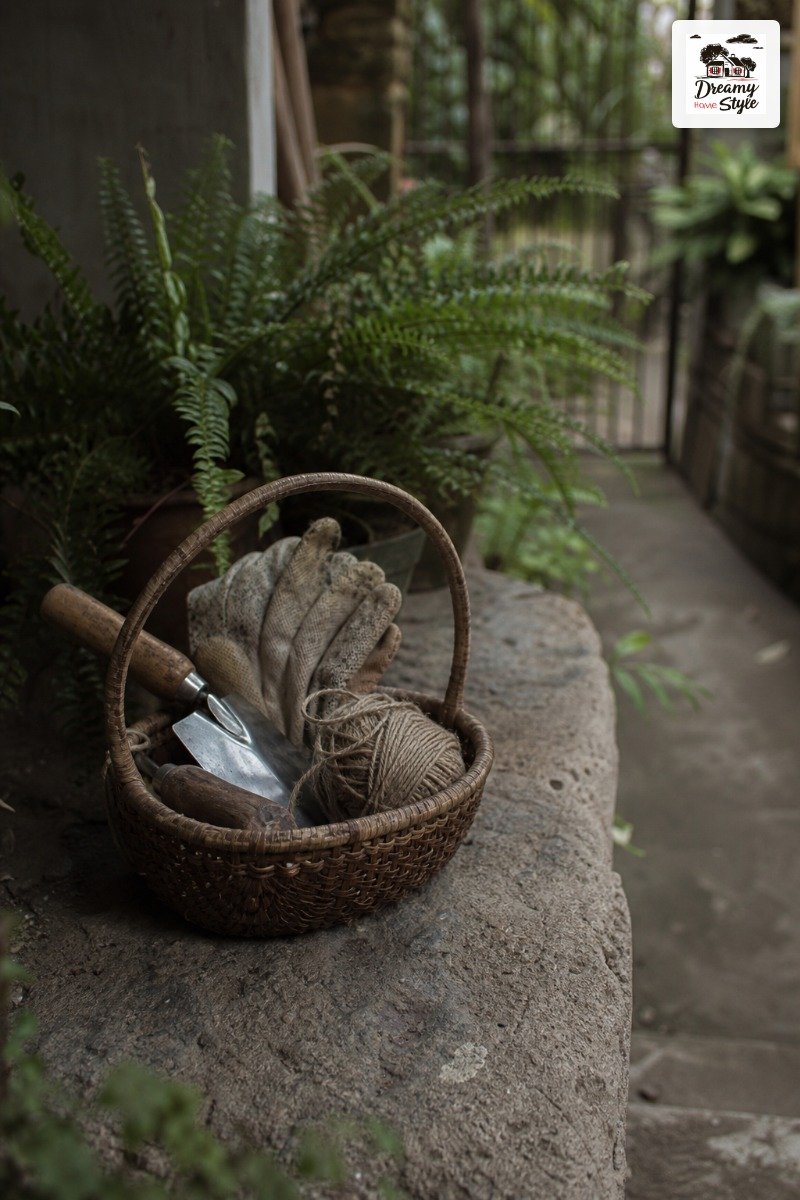
Keep a small basket or crate for the random stuff — the gloves, the trowel, the twine.
Something that looks intentional.
Because a nook with one cute basket of tools reads as organized and charming.
A nook with loose tools scattered on the ground just reads as messy.
The Finishing Details That Make It Feel Like You Actually Meant It
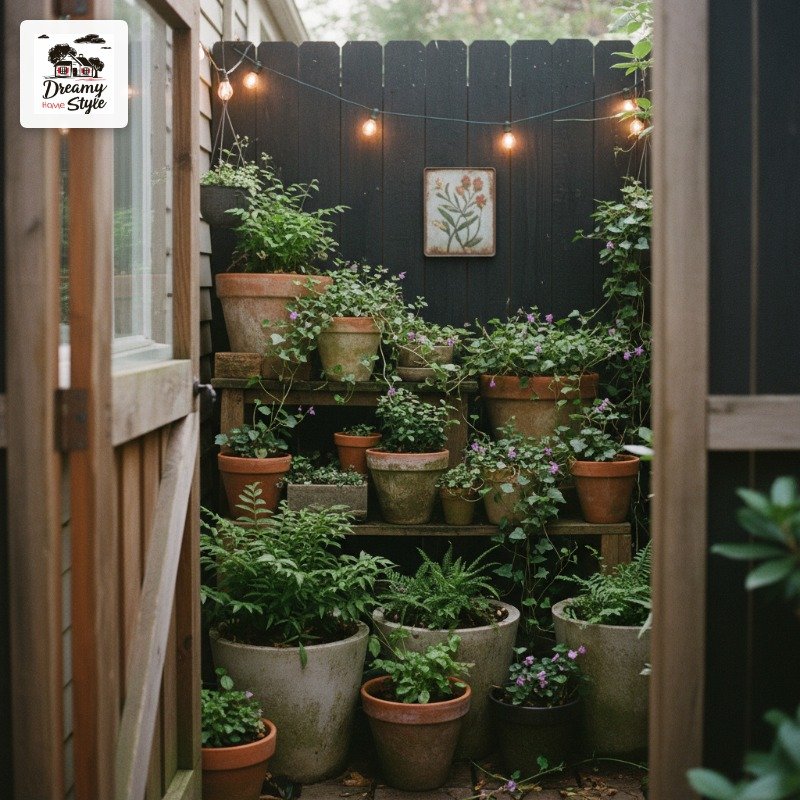
The difference between a pretty-good side nook and one that makes people stop and say ‘wait, this is your side gate?’ is honestly in the smallest stuff.
A house number or address marker on the fence in a beautiful font — unexpected, slightly formal, and it tells people this space was thought about.
A small carved wooden sign.
Even a single piece of outdoor art hung on the fence.
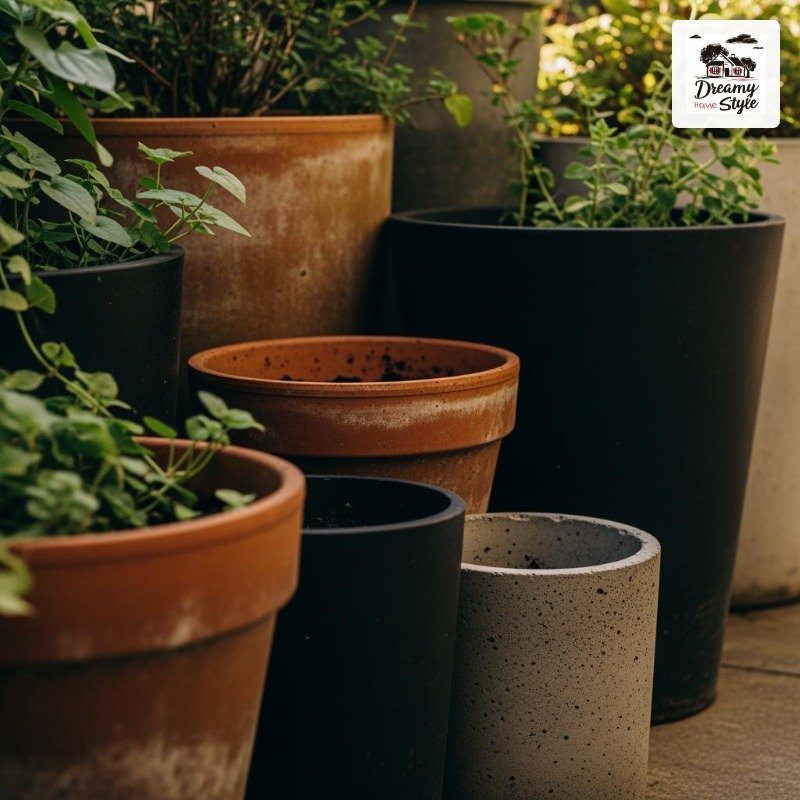
Layer your pots — mix heights by using upturned pots as pedestals for other pots.
Use different finishes: matte black, aged terracotta, concrete.
Not all the same material, not all the same height.
That variety is what makes it look collected rather than purchased all at once.
And at the very end?
Stand at the gate and look inward.
That view — the layered plants, the moody light, the little chair tucked at the end — that’s what you’re designing.
Not any individual element.
The whole picture.