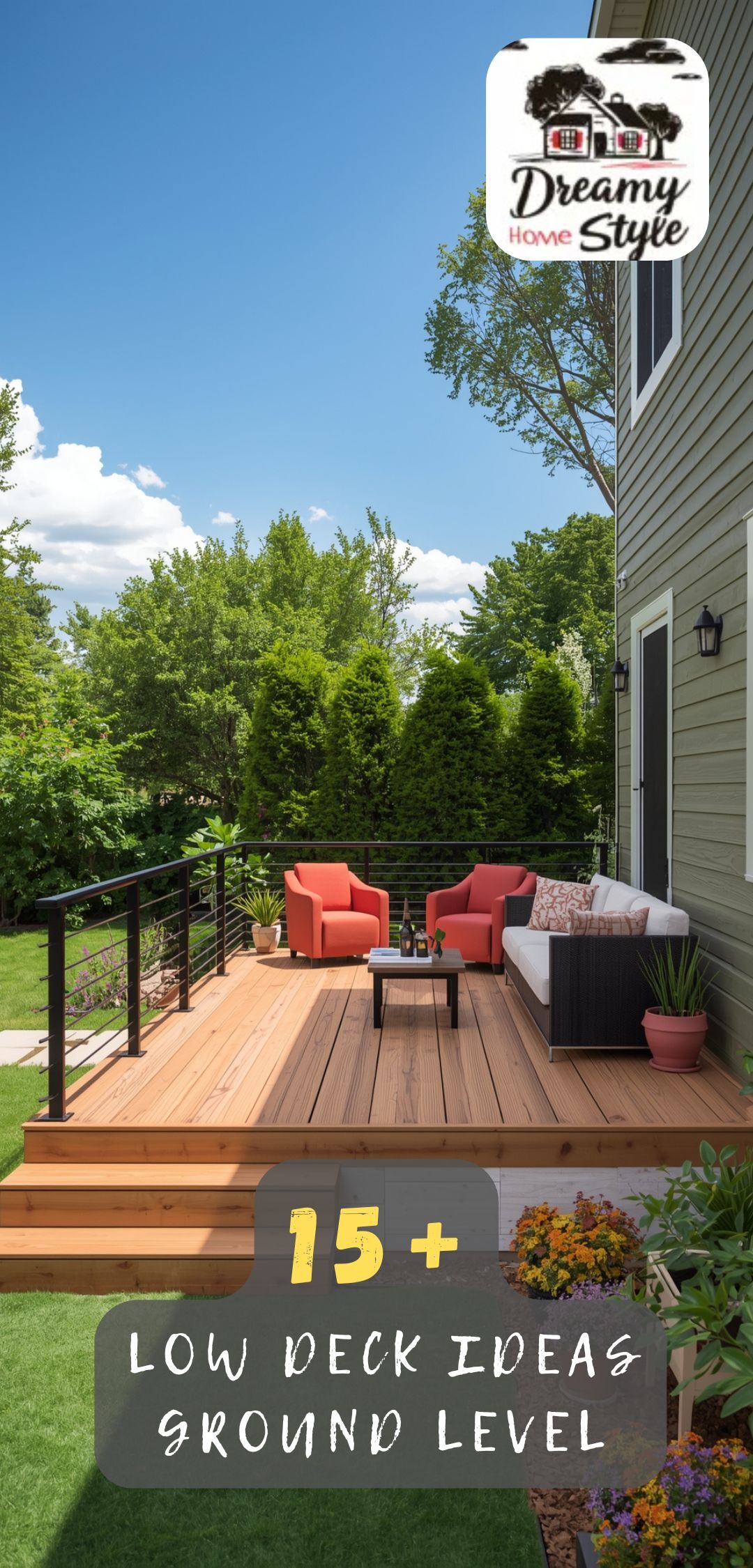

One day I was sitting cross-legged on my back patio, staring at a sad patch of grass that never quite grew right, and thinking — there has to be something better than this.
Not a big raised deck with railings and steps.
Just something low, simple, and close to the earth.
That’s when I started going down the ground-level deck rabbit hole, and honestly?
I never came back up.
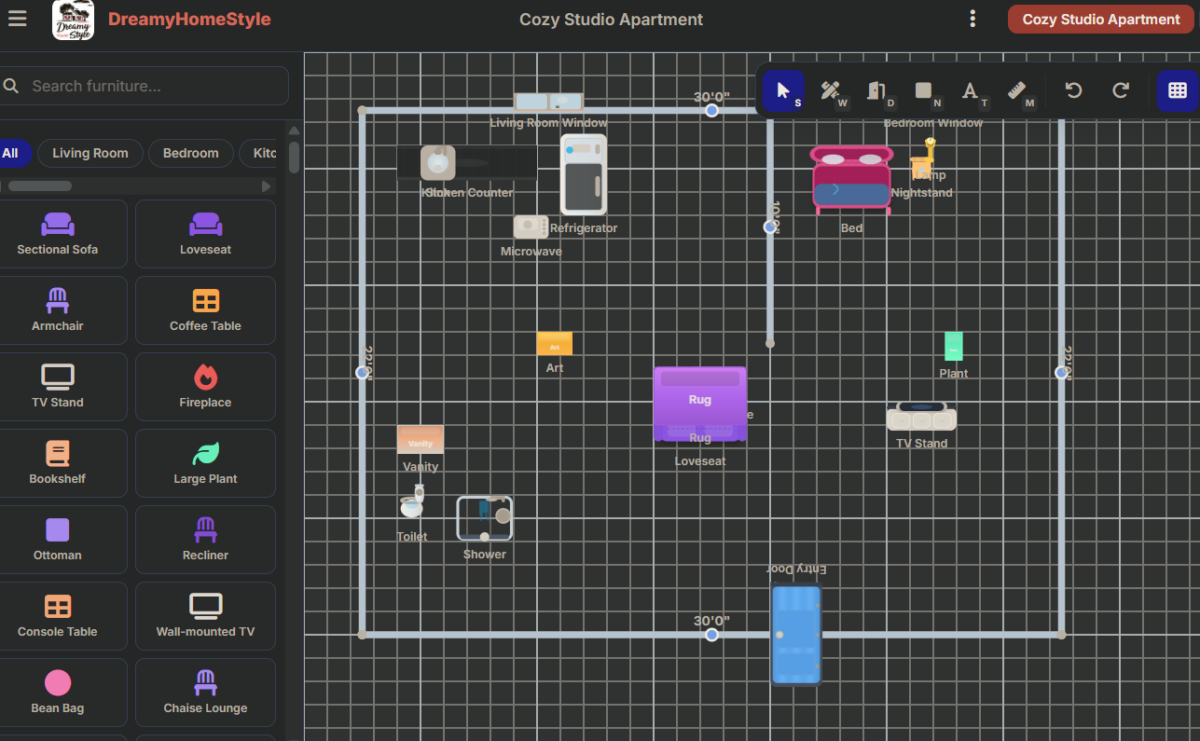
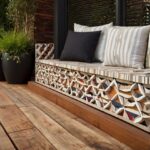
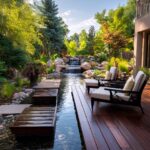
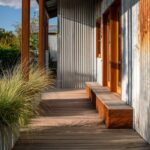
There’s something about a low deck that just feels right — cozy, grounded, and so much more approachable than a big elevated structure.
It blurs the line between indoors and outdoors in the most beautiful way.
And the best part?
You don’t need a huge budget or a contractor to make it happen.

What a Ground-Level Deck Actually Is (And Why It’s Different)

Okay, so first things first — let me just clarify what I mean when I say “ground-level” or “low deck.”
It’s basically a deck that sits very close to the ground, usually no more than a foot or so above the soil.
No tall posts underneath.
No stairs (or maybe just one small step).
It almost hugs the earth, which is kind of the whole point.
I love it because it feels less like a construction project and more like a natural extension of your yard.
It’s sort of like laying down a gorgeous wooden platform and saying — this is my space now.
Ground-level decks are also sometimes called “floating decks” because they aren’t attached to the house.
They just sit there, beautifully, doing their thing.
And that means you can technically move them or redesign them later, which — as someone who rearranges furniture way too often — I find incredibly comforting.
If I had a boring, uneven backyard right now, a floating ground-level deck would be the very first thing I’d do.
It’s a low-commitment, high-reward kind of project.
And I am here for it.
Tap to Explore These Beauties
See my ideas in action 👇 Tap any image to explore full details.
The Wood Choices That Make All the Difference


Let’s talk materials, because this is where things get really fun.
When I started planning my own low deck situation, I spent what felt like weeks obsessing over wood options.
And honestly, it was worth every second.
Pressure-treated pine is the classic choice — it’s affordable, widely available, and it holds up really well when it’s close to the ground.
But if you want that warm, rich look that feels almost luxurious?
Cedar is where it’s at.
Cedar has this gorgeous honey tone that deepens beautifully over time, and it smells amazing when it’s freshly cut.
I’m obsessed with the way it feels underfoot too — there’s a warmth to it that composite materials just can’t quite replicate.

Speaking of composite, though — it’s worth mentioning as an option if you’re not big on maintenance.
Composite decking is made from a mix of wood fibers and plastic, and it basically never rots, splinters, or fades.
The trade-off is the upfront cost, which is higher.
But if you’re someone who’d rather spend a Sunday morning with a cup of coffee than re-staining your deck?
Composite might be your best friend.
My personal pick for a cozy, lived-in vibe is still cedar — but I totally get the composite appeal.
The Floating Deck Idea I Keep Coming Back To


If I had to pick one ground-level deck style that I think about on a regular basis — and yes, I do think about decks on a regular basis — it’s the classic floating deck.
A floating deck is freestanding.
It doesn’t attach to your house, which means no ledger board, no complicated permits in most areas, and a much simpler build overall.
You essentially build a frame, set it on concrete deck blocks or gravel, and lay your decking boards on top.
That’s kindda it.
What I love most is the freedom of placement.
You can put it right in the middle of your yard, tuck it under a tree, or position it to catch the best afternoon light.
When I think about my dream backyard setup, it’s always a floating cedar deck tucked near a garden bed, with the wood just slightly weathered and soft-looking.
Maybe some potted lavender nearby.
The kind of spot where you actually want to sit outside every single evening.
Floating decks also work beautifully in rental properties because they’re technically not permanent structures.
So if you’re renting and your landlord is cool with it — this could honestly change your whole outdoor situation without a massive investment.
Find Your Room's Color Palette
Tap a vibe — get a curated 5-color palette with hex codes you can copy ✨
Shapes and Sizes That Actually Work


Here’s something I didn’t fully think about until I was deep into planning — the shape of your deck matters so much more than you’d expect.
Most people default to a simple rectangle, which is totally fine and honestly pretty.
But have you considered an L-shape?
An L-shaped ground-level deck is a game-changer for awkward backyard corners — it wraps around the space and makes everything feel intentional and designed.
I’ve also seen square low decks that are small and intimate, sort of like a large outdoor rug made of wood.
Those are my personal favorites for small urban backyards.
When I tackled my own compact outdoor space last year, I realized that a smaller, perfectly-placed deck felt far more special than a sprawling, unfocused one.

💭 I Wrote a Book About My Biggest Decorating Mistakes!
When I decorated my first home, I thought I knew what I was doing. Spoiler: I didn't. 😅
💸 I bought a sofa way too big for my living room. Paint colors that looked amazing in the store but terrible on my walls.
There’s something about a defined, cozy zone that draws you in.
If you have a longer, narrow yard, consider a rectangular deck that runs lengthwise — it creates this beautiful visual flow that makes the space feel bigger.
And for you circular garden lovers out there — yes, round decks absolutely exist, and they are stunning.
A round low deck with a fire pit at the center?
I literally dream about that.
My Favorite Cozy Seating Ideas for Low Decks

One of the most important things I’ve learned about low decks is this: the seating has to feel right.
Because you’re close to the ground, super tall furniture can feel awkward and out of proportion.
Low-profile seating is where it’s at.
Think floor cushions, low sofas, poufs, and those gorgeous wide Adirondack chairs that practically hug you when you sit down.
I personally love the idea of a long, low outdoor sectional with thick cushions in a natural linen color.
Something that just begs you to curl up with a book.
For a more bohemian vibe, layering big floor cushions and a flat-weave outdoor rug across the deck feels incredibly warm and personal.
It’s less “patio furniture catalog” and more “this is where I actually live.”
And that distinction — that feeling — is everything.
If I had a small ground-level deck, say 10×10 feet, I’d do two oversized floor cushions, a low wooden coffee table, and a lantern or two.
Simple.
Intentional.
Absolutely cozy.
You don’t need a lot of furniture to make a deck feel like a destination.
You just need the right pieces, placed with a little love.
What's Your Decor Personality?
5 questions · 30 seconds · Instant style match 🏡
String Lights and the Magic They Create

Okay, I have to talk about string lights because they are, without question, my single favorite way to make any outdoor space feel like a dream.
On a ground-level deck specifically?
They do something really special.
Because the deck sits low, the lights overhead create this canopy effect — like you’re sitting inside a soft, warm glow.
It feels intimate and a little bit magical, especially in the evening.
I love draping them from a simple wooden pergola frame right above the deck.
You don’t need the whole pergola structure — even just two tall posts with a wire stretched between them can hold string lights beautifully.
Edison bulb strings are my personal obsession.
That warm amber glow is just incomparable.
It makes everything look softer, warmer, and sort of golden — including you, which is a bonus.
For a budget-friendly hack, solar string lights have genuinely gotten so good in recent years.
No outlet required, and they turn on automatically at dusk.
I love that low-maintenance magic.
If I were setting up a ground-level deck tonight, the string lights would go up first.
Before the furniture, before anything.
Because ambiance sets the entire mood of a space, and getting that warm, glowy feeling in place early just makes everything else click.
Planting Around the Edges (This Is My Favorite Part)

Here’s where a low deck really gets to shine, and honestly where I think most people miss a huge opportunity.
Because your deck is close to the ground, you can plant right around its edges and it looks completely intentional and lush.
I’m talking raised planters along one side, trailing greenery spilling over the corners, ornamental grasses swaying gently nearby.
It creates this seamless, organic transition between the hard deck surface and the soft garden around it.
My absolute favorite look is a low deck bordered on one or two sides by tall ornamental grasses — like Karl Foerster or Blue Oat Grass.
They move in the breeze, they soften the edges beautifully, and they give you that cozy, enclosed feeling without any actual walls.
Lavender along the perimeter is another obsession of mine.
The scent alone on a warm evening is just — I can’t explain it, you have to experience it.
For something a little more dramatic, tall potted olive trees placed at the corners of the deck look incredibly chic and almost Mediterranean.
I’ve also seen decks where the wood actually cuts around an existing tree or large planting bed, and honestly?
That is the most beautiful, nature-integrated thing I’ve ever seen in a backyard.
Don’t be afraid to let the plants be part of the deck design, not just an afterthought around it.
This or That?
Pick your fave — see what other readers chose! 👀
Creating Privacy Without Building Walls

One of the questions I get asked all the time is: how do I make my ground-level deck feel private without building a giant fence?
And I love this question because there are so many soft, beautiful ways to do it.
My first suggestion is always tall planters with vertical plants.
Bamboo in tall, narrow containers creates an almost instant privacy screen that also looks really chic and spa-like.
Trellises with climbing vines are another option I adore.
A simple wooden trellis on one side of the deck, covered in jasmine or clematis, gives you privacy and fragrance.
It’s so worth it.
Outdoor curtains are also incredibly effective and wildly underused.
Hang them from a simple overhead rod or pergola beam, and you can pull them closed when you want seclusion and open them when you want to feel connected to the yard.
I love linen outdoor curtains in a warm cream or soft sage color.
They billow in the breeze and make the whole space feel like a resort.
For a more structured option, a tall decorative screen — whether wood, metal, or even woven rattan — can anchor one side of the deck and instantly define the space.
The goal is always to create the feeling of enclosure without making the deck feel boxed in or heavy.
Soft layers, natural textures, and a little height go a long way.
Low Decks for Small Backyards (Yes, This Works So Well)

Can I just say — small backyard people, this one is really for you.
Because I truly believe a ground-level deck is one of the best things you can do for a compact outdoor space.
When you have a small yard, a raised deck with stairs and railings can feel chunky and overwhelming.
But a low, sleek ground-level deck?
It flows.
It opens the space up rather than cutting into it.
When I look at tiny city backyards that have been transformed by a simple low platform deck, I always notice the same thing — suddenly, there’s a purpose to the space.
It stops feeling like a neglected patch of ground and starts feeling like an actual outdoor room.
For small yards, I always suggest keeping the deck wood and the surrounding area simple — maybe pea gravel or stepping stones around the perimeter.
Too many competing elements in a small space gets visually busy fast.
A clean, simple deck with a couple of thoughtful accessories — a small bistro side table, a lantern, one stunning plant — reads as intentional and styled rather than crowded.
And if you’re working with a long, narrow space?
A thin rectangular deck running along one fence line creates a beautiful little gallery-style outdoor room.
It’s cozy, it’s functional, and it makes the whole yard feel purposeful.
Quick Design Dilemma
Cast your vote — see what other readers think! 🤔
My Best Budget Tips for Building One

Let me be real with you — a ground-level deck is one of the most budget-friendly outdoor projects you can take on.
And I say that from experience, not just from reading about it.
The floating deck style, in particular, is designed to be DIY-friendly.
You can source pressure-treated lumber from your local hardware store, grab some concrete deck blocks, and have a basic weekend project on your hands.
Start small.
A 10×10 or 10×12 deck is completely manageable for a motivated beginner with a little YouTube help.
One of my favorite budget hacks is using composite decking just for the top surface boards — the part everyone sees — while keeping the frame structure in pressure-treated wood.
You get that clean, low-maintenance look on top at a fraction of the full composite cost.
Shopping lumber sales in late summer or early fall is also something I genuinely recommend.
End-of-season markdowns can be significant.
And don’t sleep on reclaimed wood if you can find good quality boards — the texture and character you get from reclaimed wood is absolutely beautiful and often costs less than new lumber.
For accessories, I’m a big fan of starting minimal and adding over time.
One great outdoor rug, a string of lights, and two good chairs will take you far.
You don’t have to do everything at once.
Build the deck.
Then let the space tell you what it needs next.
💭 I Wrote a Book About My Biggest Decorating Mistakes!
When I decorated my first home, I thought I knew what I was doing. Spoiler: I didn't. 😅
💸 I bought a sofa way too big for my living room. Paint colors that looked amazing in the store but terrible on my walls.