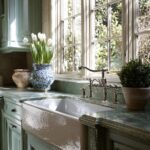

This design approach blends rustic charm with elegant simplicity, creating spaces that feel both lived-in and luxurious.
You’re about to discover transformative ideas that will help you bring authentic French cottage character into your home, no passport required.
Exposed Wooden Beams That Tell a Story

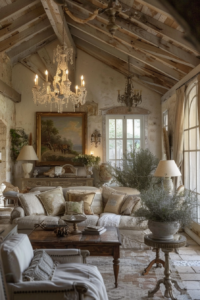
Nothing says French cottage quite like weathered wooden beams stretching across your ceiling, and they’ll instantly transport you to a countryside retreat in Provence.
These architectural elements create visual drama that modern construction simply can’t replicate.
You’ll want to seek out reclaimed wood beams with natural imperfections, knots, and varying grain patterns that add authentic character.
The beauty lies in their rough-hewn texture and the way they contrast against white or cream-colored ceilings.
Dark-stained beams work beautifully in rooms with plenty of natural light, while lighter wood tones suit smaller spaces that need to feel more open.
You can install them in a traditional parallel pattern or create a more dramatic coffered effect for added architectural interest.
If your home doesn’t have original beams, faux beams made from lightweight materials can achieve a surprisingly authentic look when properly installed and finished.
You’ll find that beams draw the eye upward, making rooms feel more spacious and grand despite their rustic origins.
They also provide the perfect opportunity to hang pendant lights, chandeliers, or even dried herbs and flowers for added French country flair.
The wood’s natural warmth balances the cool tones typically found in French cottage color palettes.
You can leave them completely natural for a more casual feel or apply a light whitewash for a softer, more romantic appearance.
Beams work exceptionally well in kitchens, living rooms, and bedrooms where you want to create a cozy focal point.
They pair beautifully with stone walls, plaster finishes, and other traditional French cottage materials.
You’ll notice how they create depth and dimension that flat ceilings simply can’t match.
The shadows they cast throughout the day add another layer of visual interest to your space.
Tap to Explore These Beauties
See my ideas in action 👇 Tap any image to explore full details.
Limestone and Stone Flooring for Authentic French Character

Stone flooring forms the foundation of genuine French cottage design, and you’ll fall in love with how it grounds every room with timeless elegance.
Limestone, in particular, captures that authentic French aesthetic with its soft, muted tones and slightly irregular surface.
You’ll appreciate how these natural materials age gracefully, developing a beautiful patina that actually improves over time rather than showing wear.
The subtle color variations within each stone tile create an organic, flowing appearance that manufactured materials can never truly duplicate.
You can choose from tumbled limestone for a more rustic feel or honed finishes for a slightly more refined look while maintaining that cottage charm.
Terracotta tiles offer another classic option, bringing warm, earthy tones that complement the French countryside aesthetic perfectly.
You’ll find that stone stays naturally cool underfoot during summer months, which is why it’s been a staple in French homes for generations.
The durability of stone flooring means you’re making an investment that will literally last for decades or even centuries with proper care.
You can extend stone flooring throughout your main living areas to create a cohesive flow that’s quintessentially French.
Radiant floor heating installed beneath stone tiles solves any concerns about cold floors during winter while maintaining the authentic look.
You’ll want to seal your stone properly to protect against stains while preserving its natural beauty and texture.
Wide-plank wooden floors offer an alternative in bedrooms and upper levels, providing warmth while still maintaining cottage authenticity.
You can combine different flooring materials in various rooms to create visual interest while staying true to traditional French design principles.
The natural imperfections in stone—slight chips, color variations, and texture differences—add character rather than detracting from the overall appearance.
You’ll notice how stone flooring anchors furniture and creates a neutral backdrop that allows other design elements to shine.
Area rugs in muted tones can soften stone floors in seating areas while adding another layer of texture and comfort.
Antique and Vintage Furniture That Adds Soul

French cottage interiors thrive on the character that only genuine antique and vintage pieces can provide, and you’ll create spaces with real depth when you choose furniture with history.
Each weathered armoire, distressed table, or time-worn chair brings stories and authenticity that new furniture simply cannot offer.
You’ll discover amazing finds at estate sales, antique markets, and online vintage shops that specialize in European country furniture.
French provincial pieces feature distinctive curved lines, cabriole legs, and ornate (but not overly fussy) carved details that define the style.
You can mix different wood tones and furniture periods to create an collected-over-time look that feels genuinely lived-in rather than decorated.
Armoires serve as statement pieces that provide both storage and visual impact, especially those with original hardware and naturally distressed finishes.
You’ll want to embrace imperfections like scratches, faded paint, and worn edges that prove a piece has been loved and used.
Upholstered pieces in natural linen or faded florals add softness while maintaining that relaxed French cottage sensibility.
You can reupholster vintage frames with new fabric to get the best of both worlds—authentic bones with fresh, clean textiles.
✦ You Might Love This
You Won't Believe How Exquisite These French Chateau Kitchens Are! Keep Reading →Rush-seat chairs bring rustic texture and are quintessentially French, perfect for dining areas or as accent seating throughout your home.
You’ll find that marble-topped dressers, consoles, and nightstands add a touch of elegance without feeling too formal or precious.
The trick is balancing ornate pieces with simpler, more utilitarian furniture to avoid creating a museum-like atmosphere.
You can paint wooden furniture in soft whites, creams, or pale grays to lighten the overall feel while preserving the vintage silhouette.
French farmhouse tables with thick tops and turned legs become gathering spots that anchor dining rooms and kitchens with substantial presence.
You’ll appreciate how vintage mirrors with gilded or distressed frames reflect light and make spaces feel larger while adding decorative interest.
Open shelving units and hutches allow you to display collections of ironstone, pottery, and other French cottage essentials.
Soft, Muted Color Palettes That Soothe the Soul

French cottage color schemes revolve around nature-inspired neutrals and gentle pastels that create calm, inviting spaces you’ll never tire of.
You’ll build your palette around whites, creams, soft grays, and warm beiges that mimic the limestone buildings dotting the French countryside.
These understated colors allow architectural details, textures, and natural materials to take center stage rather than competing for attention.
You can layer different shades of white and cream to create surprising depth without introducing bold colors that might feel jarring.
Pale blue-grays reminiscent of French shutters and lavender fields add subtle color while maintaining the serene, timeless quality.
You’ll notice how natural light transforms these muted tones throughout the day, creating an ever-changing yet always peaceful atmosphere.
Soft sage greens and dusty olive tones bring nature indoors and pair beautifully with the rustic elements typical of cottage design.
The walls should breathe with texture—think lime wash, plaster, or matte paint finishes rather than high-gloss contemporary options.
You can introduce slightly warmer tones through natural wood furniture, terracotta accents, and woven textiles without disrupting the overall tranquility.
Blush pinks and pale apricot shades work in bedrooms and bathrooms when you want just a whisper of romance.
💭 I Wrote a Book About My Biggest Decorating Mistakes!
When I decorated my first home, I thought I knew what I was doing. Spoiler: I didn't. 😅
💸 I bought a sofa way too big for my living room. Paint colors that looked amazing in the store but terrible on my walls.
You’ll find that this restrained approach to color actually makes spaces feel larger and more sophisticated than rooms filled with bold hues.
The French cottage palette draws inspiration from natural materials—stone, linen, aged wood, and sun-bleached fabrics.
You can add visual interest through varying textures rather than relying on contrasting colors to create focal points.
Monochromatic schemes in shades of white and cream feel especially authentic and allow you to change accessories seasonally without redecorating entirely.
You’ll appreciate how these gentle colors create a backdrop that showcases fresh flowers, greenery, and natural elements beautifully.
Avoiding stark white in favor of warmer, creamier tones prevents spaces from feeling cold or sterile.
Black or dark gray accents in small doses—through hardware, light fixtures, or accessories—provide necessary contrast without overwhelming the softness.
Find Your Room's Color Palette
Tap a vibe — get a curated 5-color palette with hex codes you can copy ✨
Rustic Kitchen Spaces With Open Shelving

The French cottage kitchen combines functionality with beauty, and open shelving becomes both practical storage and an opportunity to showcase your most beautiful dishes.
You’ll create an inviting heart of the home by ditching upper cabinets in favor of exposed shelves made from reclaimed wood or simple painted boards.
This approach forces you to keep only what’s beautiful and useful, which aligns perfectly with the French philosophy of quality over quantity.
You can display collections of white ironstone, vintage pottery, copper cookware, and everyday dishes that double as decoration.
The visual lightness of open shelving makes kitchens feel more spacious and less boxed-in than traditional cabinet-heavy designs.
You’ll want to install a large farmhouse sink in porcelain or fireclay as the anchor of your work zone.
Natural wood countertops, marble, or even zinc add authentic material variety that plastic laminates simply can’t match.
You can incorporate a vintage baker’s rack or industrial shelving unit for additional storage that reinforces the collected, unfitted kitchen look.
The French cottage kitchen celebrates food preparation as a daily ritual rather than hiding it behind closed doors.
You’ll find that hanging pots, utensils, and even herbs from ceiling-mounted racks or wall hooks adds both function and visual warmth.
A large wooden table serves double duty for meal prep and casual dining, becoming the true center of family life.
You can paint lower cabinets in soft cream, pale blue, or even leave them in natural wood depending on your preferred level of color.
Open shelving near the stove keeps cooking essentials within reach while allowing you to display pretty oil bottles, spice jars, and frequently used ingredients.
You’ll need to embrace a bit of maintenance since exposed dishes and glassware will require more frequent dusting than cabinet-stored items.
The trade-off is worth it for the architectural openness and the way open shelves encourage you to curate rather than accumulate.
You can mix closed storage in lower cabinets with open upper shelving to balance display with practical needs for concealing less attractive items.
Vintage glass-front cabinets provide a middle ground, protecting contents while still allowing you to showcase beautiful collections.
Toile de Jouy Fabrics for Classic French Pattern

Toile de Jouy fabric instantly signals French style, and you’ll add authentic cottage charm when you incorporate these pastoral printed textiles thoughtfully.
These monochromatic prints typically feature romantic countryside scenes, florals, or classical motifs printed on cream or white backgrounds.
You can use traditional blue-and-white toile for a classic look or explore variations in red, green, gray, or even black for different moods.
The key is using toile as an accent rather than overwhelming every surface, which would feel more theme-park than authentic cottage.
You’ll find perfect applications in throw pillows, window treatments, upholstered headboards, or a single statement chair.
Toile works beautifully in bedrooms where the romantic patterns create a dreamy, restful atmosphere without feeling overly precious.
You can line the back of open shelving or the interior of glass-front cabinets with toile for an unexpected pop of pattern.
Lampshades covered in toile fabric add charming detail while diffusing light beautifully in living rooms and bedrooms.
You’ll want to pair toile with plenty of solid neutrals—linens, cottons, and other simple fabrics—to let the pattern breathe.
The scale of the toile print matters; larger patterns make bold statements while smaller, more delicate prints feel subtler and more traditional.
You can mix toile with other French cottage staples like ticking stripes, simple florals, and natural linen for a layered, collected look.
Vintage toile pieces found at flea markets carry extra authenticity and often feature slightly faded colors that feel perfectly imperfect.
You’ll appreciate how toile bridges the gap between rustic cottage elements and more refined French provincial details.
Curtain panels in toile frame windows beautifully while filtering light and adding privacy without heavy, light-blocking treatments.
You can recover a vintage settee or loveseat in toile to create an instant focal point that anchors a seating area.
The monochromatic nature of toile means it plays well with various color schemes while still reading as distinctly French.
Bedding in toile coordinates beautifully with simple white linens, creating layers of texture and pattern that invite you to linger.

Wrought Iron Details That Add Romantic Texture

Wrought iron brings an essential element of French cottage design, and you’ll love how these hand-forged details add both strength and delicacy to your interiors.
Authentic wrought iron features organic curves, twisted details, and slight irregularities that reveal the artisan’s hand rather than machine perfection.
You can incorporate iron through light fixtures, stair railings, curtain rods, and furniture bases that ground spaces with substantial presence.
Chandeliers with wrought iron frames and candle-style lights create dramatic focal points while maintaining rustic cottage authenticity.
You’ll find that iron’s dark finish provides necessary contrast against the soft, light color palettes typical of French cottage interiors.
Wall-mounted pot racks in kitchens serve double duty as storage and decoration while keeping frequently used cookware accessible.
You can hunt for antique iron pieces like baker’s racks, wine racks, or plant stands that add height and architectural interest.
Iron bed frames with graceful scrollwork create romantic bedroom centerpieces that pair perfectly with layers of soft linens.
You’ll appreciate how wrought iron ages beautifully, developing a natural patina that enhances rather than diminishes its appeal.
Window grilles and decorative iron work on shutters add security while contributing to the authentic French aesthetic.
You can balance iron’s visual weight by surrounding it with lighter elements like white walls, sheer curtains, and natural wood.
Table bases made from wrought iron topped with stone, marble, or wood create stunning furniture pieces with French character.
You’ll want to look for hand-forged pieces rather than mass-produced iron to capture the artisanal quality central to cottage style.
Fireplace screens and tool sets in wrought iron add functional beauty to hearths, which often serve as focal points in cottage rooms.
You can display iron wall sconces flanking mirrors or artwork to add dimension and create beautiful ambient lighting.
Towel bars, hooks, and bathroom accessories in wrought iron extend the cottage aesthetic into every room of your home.
The contrast between iron’s strength and the soft, romantic elements surrounding it creates the perfect balance in French cottage design.
What's Your Decor Personality?
5 questions · 30 seconds · Instant style match 🏡
Fresh Flowers and Botanical Elements Every Single Day


French cottage living celebrates nature’s beauty, and you’ll transform your space by treating fresh flowers and greenery as daily necessities rather than special occasion luxuries.
Simple bouquets in vintage pitchers, ironstone containers, or glass bottles scattered throughout your home create instant cottage charm.
You don’t need elaborate arrangements—loose, garden-picked bunches of single flower varieties feel more authentic than formal florist creations.
Lavender, roses, peonies, hydrangeas, and wildflowers all embody the French cottage spirit with their natural, unstructured beauty.
You’ll find that changing flowers weekly keeps your space feeling fresh and connected to the seasons in a meaningful way.
Herbs in terracotta pots on kitchen windowsills serve dual purposes as both decoration and culinary ingredients.
You can display flowering branches in tall containers during spring, bringing the awakening garden inside your home.
Dried lavender bundles hung from beams, tucked into shelves, or arranged in vases extend the season’s beauty year-round.
You’ll want to choose containers that complement your cottage aesthetic—antique crocks, enamelware, vintage glass bottles, and ceramic pitchers.
The French approach treats flowers as an everyday pleasure rather than a luxury, making even modest blooms feel special.
You can forage from your own garden or local farmer’s markets to keep costs manageable while maintaining that constant botanical presence.
Greenery like eucalyptus, olive branches, and ivy add texture and stay fresh longer than most flowers.
You’ll appreciate how botanical prints, pressed flowers in frames, and nature-inspired artwork extend the garden theme when fresh flowers aren’t available.
Window boxes overflowing with geraniums, petunias, or trailing ivy connect your interior design to the exterior in classic French fashion.
You can rotate seasonal elements—spring bulbs, summer roses, autumn branches, winter evergreens—to keep your cottage feeling alive and current.
The scent of fresh flowers adds another sensory layer that synthetic fragrances can never replicate.
Even single stems in small bud vases placed on nightstands, desks, or bathrooms counters bring thoughtful beauty to everyday moments.
Distressed Finishes and Embraced Imperfections

French cottage style celebrates the beauty of age, and you’ll create authentic character when you embrace distressed finishes rather than pursuing pristine perfection.
The worn edges, chipped paint, and faded surfaces tell stories of decades of use and family life.
You can achieve this look through intentional distressing techniques on new furniture or by seeking out genuinely aged pieces.
Painted furniture in soft whites or creams looks even better when wear patterns reveal darker wood or previous paint colors underneath.
You’ll find that slightly rough plaster walls with subtle texture and imperfections feel infinitely more interesting than smooth, perfect drywall.
The French concept of “jolie laide” (beautiful ugly) applies perfectly to cottage interiors where flaws become features.
You can use chalk paint or milk paint on furniture because these finishes naturally develop a soft, matte patina over time.
Distressing techniques should look natural—focus on areas that would genuinely wear from use like corners, edges, handles, and drawer fronts.
You’ll create more authentic results by thinking about how pieces would age naturally rather than randomly sanding or aging surfaces.
Antique mirrors with foxed glass and deteriorating silvering add character that new mirrors lack entirely.
You can strip old paint from furniture to reveal beautiful wood grain while leaving traces of original color in crevices and details.
Whitewashed brick or stone creates the perfect balance between rustic texture and light, airy cottage aesthetics.
You’ll appreciate how distressed finishes hide future wear and tear, meaning your home will age gracefully alongside your furniture.
Vintage textiles with slight fading, small holes, or frayed edges carry more charm than crisp new fabrics in French cottage settings.
You can use these imperfect linens as cushion covers, table runners, or even frame them as textile art.
The goal isn’t making everything look decrepit but rather celebrating the natural aging process and the beauty it creates.
Layered Linens and Natural Textiles Throughout

Linen reigns supreme in French cottage interiors, and you’ll create inviting, touchable spaces when you layer natural textiles with casual elegance.
The slightly rumpled, lived-in quality of linen perfectly captures French cottage style’s relaxed sophistication.
You can dress beds in multiple layers—linen sheets, lightweight coverlets, quilts, and duvets in complementary neutral tones.
The texture of linen improves with every wash, becoming softer while maintaining its characteristic relaxed drape and subtle wrinkles.
You’ll want to skip the iron and embrace the natural creasing that gives linen its effortless, undone appeal.
Linen curtain panels hung from simple iron rods filter light beautifully while maintaining privacy without heavy, formal window treatments.
You can throw linen blankets over sofas and chairs for both comfort and that casually elegant look the French do so well.
Slipcovers in natural linen transform furniture into relaxed seating that invites you to kick back rather than perch carefully.
You’ll find that linen’s neutral tones work as a perfect backdrop for introducing subtle patterns through pillows and throws.
Cotton ticking stripes in blue, gray, or black add classic French pattern without overwhelming your space.
You can use linen napkins, tablecloths, and table runners to bring cottage charm to everyday dining experiences.
Hemp and cotton textiles offer similar natural texture at different price points, all contributing to the organic, unpretentious feel.
You’ll appreciate how natural fibers regulate temperature better than synthetics, keeping you cool in summer and cozy in winter.
Layering different weights of linen—from gauzy lightweight fabrics to heavier upholstery-weight materials—creates dimensional interest.
You can mix vintage linen grain sacks, antique bed linens, and new pieces to achieve that collected-over-generations aesthetic.
Natural textile colors—ecru, oatmeal, flax, and ivory—create subtle variation while maintaining overall cohesion.
The slightly nubby texture of linen adds tactile richness that your fingers and eyes will equally appreciate.
💭 I Wrote a Book About My Biggest Decorating Mistakes!
When I decorated my first home, I thought I knew what I was doing. Spoiler: I didn't. 😅
💸 I bought a sofa way too big for my living room. Paint colors that looked amazing in the store but terrible on my walls.
Plaster Walls With Organic Texture and Depth


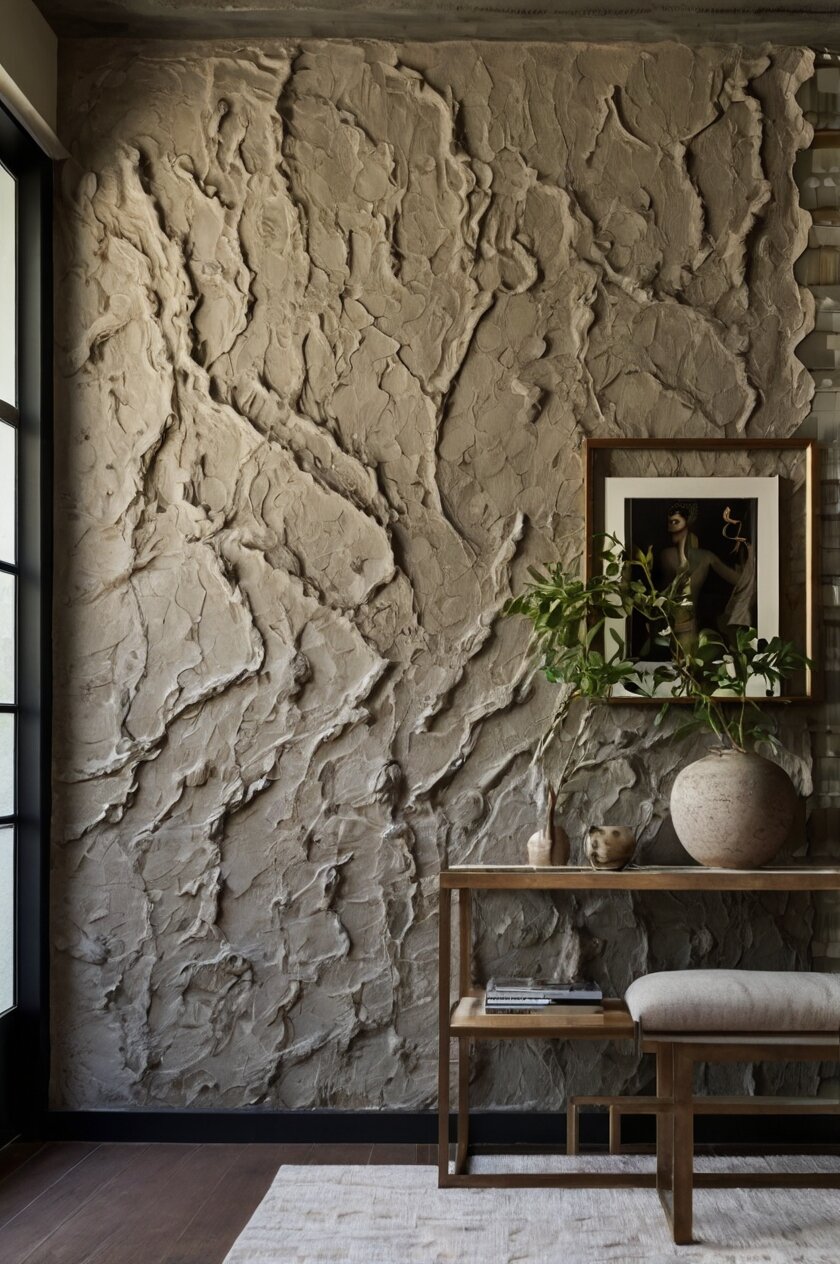
Smooth drywall has no place in authentic French cottage design, and you’ll create architectural interest when you choose textured plaster walls instead.
Traditional lime plaster or modern plaster finishes applied with intentional imperfection create the soft, organic surfaces found in centuries-old French homes.
You can hire artisan plasterers who specialize in old-world techniques or learn DIY methods to achieve similar results.
The slightly uneven surface catches and reflects light in ways that flat walls simply cannot, adding depth and movement.
You’ll love how plaster walls feel cool to the touch and help regulate humidity, practical benefits beyond their aesthetic appeal.
Trowel marks, slight color variations, and natural texture create living surfaces with character rather than generic backdrops.
You can apply plaster in varying thicknesses to create more or less pronounced texture depending on your preference.
White or cream plaster walls provide the perfect neutral foundation that makes everything else in the room look better.
You’ll find that plaster is exceptionally durable and ages beautifully, developing a gentle patina over years rather than showing damage.
Exposed stone or brick peeking through plaster in some areas adds another layer of authenticity and visual interest.
You can use Venetian plaster techniques for a slightly more polished look while maintaining organic texture and depth.
The matte finish of plaster feels sophisticated and timeless compared to the sheen of contemporary wall paint.
You’ll appreciate how plaster conceals minor wall imperfections while creating intentional texture that adds rather than detracts.
Colored plaster in soft grays, warm taupes, or pale blues can introduce subtle hue while maintaining the textured, artisanal quality.
You can apply wax or special sealers to plaster in kitchens and bathrooms for moisture protection without losing the authentic appearance.
The handcrafted quality of plastered walls immediately elevates a space from ordinary to special.
This investment in wall treatment pays dividends because it fundamentally changes how every other element in the room appears and feels.
This or That?
Pick your fave — see what other readers chose! 👀
Collections Displayed With Casual Elegance

French cottage style embraces the beauty of everyday objects, and you’ll create visual interest when you thoughtfully display collections rather than hiding them away.
White ironstone pitchers, platters, and tureens arranged on open shelving create stunning displays while remaining accessible for actual use.
You can group similar items together—all white ceramics, vintage bottles, or antique books—for greater visual impact than scattered placement.
The French have mastered the art of making utilitarian objects beautiful through careful selection and display.
You’ll want to edit your collections to include only pieces you truly love rather than keeping items just to fill space.
Vintage French pottery in soft glazes and organic shapes adds color and texture while maintaining cottage authenticity.
You can display copper pots, wooden cutting boards, and vintage kitchen tools on walls or shelves where they become functional art.
Antique bottles in varying shades of glass create beautiful displays on windowsills where light can shine through them.
You’ll find that odd numbers of items (three, five, or seven) create more pleasing, natural-looking arrangements than even groupings.
Basket collections stacked or hung provide texture and practical storage while reinforcing the natural, rustic cottage aesthetic.
You can rotate seasonal collections to keep displays fresh—spring nests and eggs, summer shells, autumn gourds, winter evergreen branches.
Vintage French advertising signs, enamel plaques, and old bread boards add graphic interest and authentic French text to wall displays.
You’ll appreciate how collections that share a color palette or material create cohesion even when individual pieces differ in size and shape.
Displaying collections at varying heights using stands, books, or small boxes creates more dynamic, interesting vignettes.
You can group collections on trays, cutting boards, or vintage platters to create defined vignettes that feel intentional rather than cluttered.
The rule is showcasing things that are both beautiful and meaningful to you rather than buying collections just for decoration.
French cottage style values authenticity and personal history over catalog-perfect styling that lacks soul.
Romantic Lighting With Chandeliers and Sconces

Lighting in French cottage interiors creates ambiance above all else, and you’ll set the perfect mood with layered sources that range from dramatic to intimate.
Chandeliers become jewelry for your rooms, especially those featuring wrought iron frames, crystal drops, or weathered painted finishes.
You can hang substantial chandeliers lower than you might in other styles because cottage design embraces that cozy, intimate scale.
The warm glow from multiple smaller light sources feels infinitely more welcoming than harsh overhead lighting.
You’ll want to prioritize fixtures with candle-style bulbs that mimic the flickering light of actual candles used in historic French homes.
Wall sconces flanking beds, mirrors, or doorways add architectural detail while providing practical task and ambient lighting.
You can choose sconces with fabric shades for softer light or exposed bulbs for a more rustic, utilitarian appearance.
Vintage French light fixtures with original patina and aged finishes bring instant character that reproduction pieces need years to develop.
You’ll find that mixing metals—iron, brass, aged silver—creates visual interest rather than the matchy-matchy look of a furniture showroom.
Table lamps with ceramic, pottery, or wooden bases and simple linen shades provide portable lighting that softens corners and surfaces.
You can use dimmer switches on all lighting to control ambiance and create different moods for various times of day.
The French layer lighting at multiple levels—ceiling fixtures, wall sconces, table lamps, and candles—for maximum flexibility and warmth.
You’ll appreciate how warm-toned bulbs (2700K or lower) create the soft, golden glow that makes cottage interiors so inviting.
Lantern-style fixtures in kitchens and entryways bridge indoor and outdoor living with their architectural presence.
You can incorporate actual candles in hurricane glasses, candlesticks, and wall sconces for the ultimate romantic lighting during evening hours.
String lights or fairy lights tucked into greenery or along beams add magical sparkle without feeling too casual or temporary.
The goal is creating pools of light throughout rooms rather than uniform brightness that flattens space and eliminates atmosphere.
French Doors and Oversized Windows That Blur Indoor-Outdoor Boundaries

French doors and generously sized windows define cottage architecture, and you’ll transform your home when you maximize natural light and garden views.
These architectural elements create seamless transitions between interior spaces and outdoor living areas that are essential to authentic French cottage design.
You can replace standard doors with French doors featuring multiple glass panes that flood rooms with sunlight while maintaining classic cottage character.
The traditional divided-light pattern with individual glass panes separated by muntins creates authentic period detail that modern picture windows lack.
You’ll want to seek out doors with substantial wood frames rather than vinyl alternatives that can never achieve the same authentic appearance.
Painted French doors in soft whites, creams, or pale grays blend with cottage interiors while their glass panels maintain visual openness.
You can install French doors between rooms to create flexible spaces that open for entertaining or close for privacy and quiet.
Floor-to-ceiling windows in living areas and bedrooms bring the outdoors inside while making rooms feel dramatically larger and airier.
You’ll appreciate how abundant natural light reduces dependence on artificial lighting during daytime hours, creating healthier, more pleasant living spaces.
Vintage French doors salvaged from demolished buildings carry exceptional character with original hardware, wavy glass, and genuine patina.
You can pair French doors with simple linen curtains or café-style half curtains that provide privacy without blocking precious natural light.
The symmetry of double French doors opening onto gardens or patios creates elegant focal points and natural gathering spots.
You’ll find that rooms with multiple windows from different directions enjoy better air circulation and more interesting natural light throughout the day.
Window frames should remain simple and traditional rather than contemporary styles that clash with cottage architecture.
You can paint window frames to match trim throughout your home or let natural wood show through for added warmth and texture.
Transom windows above standard doors add light to hallways and interior rooms while maintaining privacy and cottage architectural detail.
You’ll want to resist the urge to over-dress windows with heavy treatments that block the light and views you’ve worked to maximize.
Garden views framed by French doors become living artwork that changes with seasons, weather, and time of day.
You can position furniture to take advantage of views and natural light, creating reading spots and seating areas that connect to the landscape.
The glass in French doors allows you to monitor weather, gardens, and outdoor spaces while remaining comfortably inside.
You’ll notice how rooms with abundant windows feel more connected to nature even in urban settings with limited outdoor space.
Cleaning and maintaining numerous windows requires effort, but the trade-off in natural light and cottage authenticity makes it worthwhile.
You can use window seats beneath large windows to maximize these architectural features while creating cozy spots that take full advantage of views.
French doors opening to covered porches or patios extend your living space seasonally and create indoor-outdoor flow for entertaining.
You’ll find that homes with generous windows and multiple French doors feel more expensive and special regardless of actual square footage.
The interplay of natural light, shadow, and views through well-placed windows adds dimension and life that artificial elements cannot replicate.
Historic French cottages featured substantial windows because natural light was precious, and you’ll benefit from this same timeless design principle.
Quick Design Dilemma
Cast your vote — see what other readers think! 🤔
Cozy Window Seats and Intimate Nooks


French cottage homes maximize every architectural feature, and you’ll create beloved spaces when you transform windows and alcoves into cozy retreats.
Window seats offer the perfect spot for morning coffee, afternoon reading, or simply gazing at your garden while wrapped in soft throws.
You can build in seating beneath existing windows or create the illusion with a bench, cushions, and surrounding built-in elements.
The key is making these nooks feel intentional and finished with comfortable cushions, plenty of pillows, and good reading light.
You’ll want to use fabrics that invite touch—soft linens, worn velvets, or quilted cotton in your signature neutral palette.
Storage drawers beneath window seat cushions provide practical function while maintaining clean lines and cottage simplicity.
You can frame window seats with floor-to-ceiling bookshelves to create library-like alcoves that feel special and separate from main living areas.
Small nooks under stairs, in hallways, or in corner spaces become destinations when you add a comfortable chair and small side table.
You’ll find that these intimate spaces provide psychological comfort and give you permission to pause and rest in our busy modern lives.
Cushions in varying sizes and textures create inviting layers that make you want to curl up with a good book for hours.
You can position nooks near fireplaces for maximum coziness during colder months when you crave warmth and comfort.
Simple café curtains or linen panels frame window seats while maintaining privacy and light control.
You’ll appreciate how these personal retreat spaces add immeasurable value despite their relatively small square footage.
Built-in benches along walls in dining areas create casual European-style seating while maximizing space in smaller rooms.
You can add warmth underfoot with small vintage rugs or sheepskins that define the nook as a special zone.
The French excel at creating intimate human-scaled spaces within larger rooms, and window seats perfectly embody this principle.
Reading lamps mounted to walls or placed on small side tables ensure your nook remains functional after dark.
Farmhouse Tables as Gathering Centers

The French farmhouse table anchors cottage interiors, and you’ll create a natural gathering spot when you choose a substantial table with genuine character.
These tables feature thick solid wood tops that show grain, knots, and natural variation rather than veneered perfection.
You can find antique French farmhouse tables at import shops or auctions, or commission custom pieces built from reclaimed wood.
The ideal table shows signs of use—knife marks, gentle cupping, slight variations in surface—that prove its authenticity and history.
You’ll want a table large enough to accommodate family and guests comfortably because French cottage living revolves around shared meals.
Mismatched seating including vintage chairs, benches, and even the occasional upholstered seat creates an collected-over-time feeling.
You can leave the wood natural for warmth or paint the base in soft colors while maintaining a natural wood top.
The table becomes your workspace, homework station, craft center, and dining surface—truly the heart of cottage life.
You’ll appreciate how a substantial farmhouse table grounds a room and provides visual weight that balances lighter, more delicate elements.
French tables often feature beautiful turned legs, simple trestle bases, or elegant tapered legs depending on regional style.
You can dress your table seasonally with linen runners, fresh flowers, and collections of ceramics without overwhelming its rustic beauty.
💭 I Wrote a Book About My Biggest Decorating Mistakes!
When I decorated my first home, I thought I knew what I was doing. Spoiler: I didn't. 😅
💸 I bought a sofa way too big for my living room. Paint colors that looked amazing in the store but terrible on my walls.
Benches along one or both sides create casual seating that accommodates more people than individual chairs.
You’ll find that tables with natural finishes hide minor scratches and wear, actually improving with age rather than showing damage.
The space around your farmhouse table should remain relatively open, allowing easy movement and maintaining the airy cottage feeling.
You can position your table near windows to maximize natural light during daytime meals and homework sessions.
Overhead lighting—a chandelier or pendant—should hang low enough to create intimacy without interfering with sightlines across the table.
The farmhouse table represents French cottage values perfectly: practical, beautiful, welcoming, and built to last generations.
French cottage style endures because it prioritizes comfort, authenticity, and beauty in equal measure.
You’ll create a home that feels both timeless and deeply personal when you embrace these ten foundational ideas.
The magic happens when you blend rustic elements with refined touches, creating spaces that welcome you home every single day.