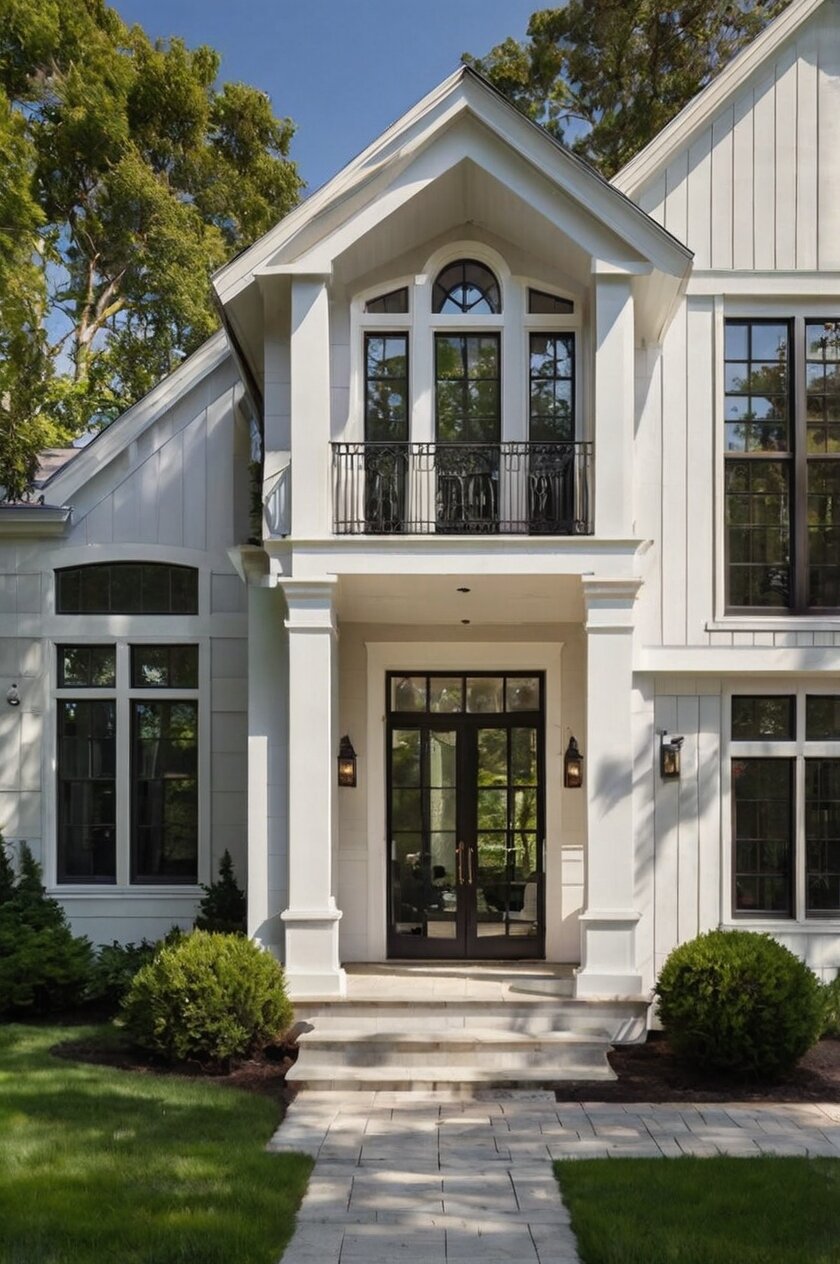

Cape Cod architecture has been stealing hearts since the 1600s, and there’s a good reason why this timeless style refuses to go away.
These charming homes blend classic New England character with practical design, creating exteriors that feel both welcoming and sophisticated.
If you’re building from scratch or giving your existing home a fresh makeover, these Cape Cod exterior ideas will help you capture that coveted coastal charm that makes people slow down their cars just to take a second look.
Embrace the Timeless Appeal of White Clapboard Siding


White clapboard siding isn’t just a Cape Cod staple—it’s practically the uniform of coastal elegance.
This classic choice creates a crisp, clean canvas that works beautifully in any neighborhood while maintaining that authentic New England vibe you’re going for.
The horizontal boards catch light throughout the day, creating subtle shadows that add dimension and visual interest to your home’s facade.
You’ll find that white clapboard siding pairs perfectly with virtually any accent color, from deep navy to sage green, giving you endless flexibility when choosing trim and shutters.
The beauty of this option lies in its versatility—it looks equally stunning on a modest cottage or a sprawling family home.
Modern materials have made maintenance much easier than in colonial times, with fiber cement and vinyl options that replicate traditional wood without the constant upkeep.
If you’re going for authenticity, real wood clapboard delivers unmatched character, though it requires more dedication to preserve its beauty.
The narrow boards create clean, defined lines that emphasize your home’s horizontal proportions, making it appear wider and more grounded.
This siding style also provides excellent insulation when properly installed, keeping your home comfortable year-round while reducing energy costs.
You can customize the look by adjusting the reveal—the exposed portion of each board—with narrower reveals creating a more refined appearance.
White clapboard reflects sunlight beautifully, which helps keep your home cooler during hot summer months while maintaining that bright, cheerful appearance.
The crisp white serves as the perfect backdrop for seasonal decorations, from summer wreaths to holiday garlands, without overwhelming your festive displays.
This choice has stood the test of time for good reason—it never looks dated, ensuring your investment remains stylish for decades to come.
Professional painters can refresh white clapboard relatively easily, making it simple to maintain that just-renovated look whenever you need a quick update.
The traditional appearance adds significant curb appeal, which translates directly into higher property values if you ever decide to sell.
Tap to Explore These Beauties
See my ideas in action 👇 Tap any image to explore full details.
Add Warmth with Natural Cedar Shake Siding

Cedar shake siding brings organic texture and warmth that transforms a Cape Cod house into a cozy coastal retreat.
The irregular surface of cedar shakes catches light in fascinating ways, creating a play of shadows that changes throughout the day.
This natural material ages gracefully, developing a beautiful silvery-gray patina that speaks to decades of coastal living and salty sea breezes.
You’ll love how cedar shakes add depth and character that flat siding simply cannot match, giving your home a three-dimensional quality that draws the eye.
The rustic elegance of cedar works particularly well if you’re aiming for that weathered, beach-cottage aesthetic that feels relaxed and unpretentious.
Each shake is slightly different from its neighbors, creating a handcrafted appearance that mass-produced materials can never quite replicate.
Cedar naturally resists moisture, rot, and insects, making it an exceptionally practical choice for homes in humid coastal climates.
The rich, warm tones of fresh cedar range from honey gold to reddish-brown, providing a stunning contrast against white trim and colorful accents.
💭 Ever wondered what your room would actually look like rearranged?
I built a free tool that lets you drag furniture around a 2D floor plan. No signup, no catch.
See the Room Planner →You can install cedar shakes in various patterns—straight coursing, staggered, or even decorative fish-scale designs—to create unique architectural interest.
This material provides excellent insulation properties, helping to regulate your home’s temperature and create a more comfortable living environment.
Cedar shakes can cover your entire exterior or serve as accent features on gables and dormers, adding visual variety to your home’s appearance.
The natural oils in cedar produce that distinctive, pleasant aroma that reminds you of forest walks and outdoor adventures.
When properly maintained with periodic treatments, cedar shakes can last 30 years or more, making them a worthwhile long-term investment.
The texture of cedar shakes creates a cottage-like charm that makes your home feel instantly more inviting and approachable.
This option pairs beautifully with stone elements, natural wood trim, and landscaping, creating a cohesive look that connects your home to its natural surroundings.
Make a Bold Statement with Classic Black Shutters


Black shutters against a light-colored exterior create instant drama and sophistication that elevates your entire Cape Cod facade.
This high-contrast combination has been a hallmark of East Coast architecture for centuries, and it continues to turn heads today.
The dark frames draw attention to your windows, making them appear larger and more prominent while adding architectural definition to your home’s features.
You’ll find that black shutters work as the perfect finishing touch, much like a frame enhances a beautiful painting.
These bold accents create visual rhythm across your facade, especially when you install them on multiple windows at evenly spaced intervals.
Black absorbs light rather than reflecting it, which creates depth and makes your shutters appear to recede slightly, adding dimension to flat surfaces.
The crisp, clean lines of traditional panel shutters or louvered designs complement the simple geometry that defines Cape Cod architecture.
You can choose between functional shutters that actually close or decorative ones that remain fixed, depending on your budget and preferences.
Black hardware—hinges and holdbacks—adds authentic period details that make your shutters look genuinely purposeful rather than merely decorative.
This color choice requires minimal maintenance and hides dirt better than lighter options, keeping your home looking polished with less effort.
Black shutters create a sense of formality and refinement without feeling stuffy, striking that perfect balance between elegant and welcoming.
The strong vertical lines of shutters provide an excellent counterpoint to horizontal siding, creating visual interest through contrasting orientations.
You’ll appreciate how this classic combination photographs beautifully, making your home shine in listing photos or social media posts.
Black shutters ground your home’s appearance, preventing it from looking too light or washed out, especially on bright, sunny days.
This timeless choice works across all seasons, looking equally appropriate framed by spring flowers or winter snow.
Find Your Room's Color Palette
Tap a vibe — get a curated 5-color palette with hex codes you can copy ✨
Welcome Guests with a Vibrant Front Door

Your front door serves as the focal point of your Cape Cod exterior, so why not make it unforgettable with a pop of bold color?
A bright red door radiates warmth and hospitality, signaling to visitors that they’re about to enter a friendly, welcoming space.
Navy blue doors exude coastal sophistication, echoing the ocean while maintaining that classic New England aesthetic that Cape Cod homes are known for.
Sunny yellow creates an instant mood lift, bringing cheerfulness and optimism to your entrance that makes everyone smile before they even step inside.
Glossy paint finishes on your door catch and reflect light beautifully, creating an eye-catching shine that draws attention from the street.
The door color you select can express your personality—bold and adventurous with coral or turquoise, or refined and traditional with hunter green.
This single element provides the most cost-effective way to dramatically update your home’s appearance without undertaking a major renovation project.
You can change door colors relatively easily if you want to refresh your look, making it a low-commitment way to experiment with trends.
A colorful door creates a natural gathering point, anchoring your entrance and making it easy for delivery drivers and first-time visitors to find your home.
Pairing your vibrant door with complementary hardware—brass, black, or brushed nickel—adds another layer of polish and intentionality to your design.
The right door color can enhance your home’s architectural features by creating contrast that highlights beautiful moldings, sidelights, or transoms.
Seasonal wreaths and decorations pop even more beautifully against a colorful backdrop, giving you the perfect canvas for year-round styling.
Your front door sets expectations for your home’s interior, offering a preview of the style and personality visitors will find inside.
Bold door colors photograph exceptionally well, improving your home’s curb appeal in online listings and making it more memorable to potential buyers.
This small but mighty design choice shows that you’ve put thought into every detail of your home’s appearance, elevating the overall impression you create.
💭 I Wrote a Book About My Biggest Decorating Mistakes!
When I decorated my first home, I thought I knew what I was doing. Spoiler: I didn't. 😅
💸 I bought a sofa way too big for my living room. Paint colors that looked amazing in the store but terrible on my walls.
Create Perfect Balance with Symmetrical Window Placement

Symmetry lies at the heart of traditional Cape Cod design, and nowhere is this more apparent than in thoughtfully arranged window placement.
A centered front door flanked by matching windows on each side creates instant harmony that feels satisfying and complete to the human eye.
This balanced arrangement reflects the practical origins of Cape Cod architecture, where simple, efficient layouts maximized space and minimized construction costs.
You’ll notice how symmetrical windows create a sense of order and calm, making your home appear well-planned and intentional rather than haphazard.
The repetition of identical windows across your facade establishes a pleasing rhythm that guides the eye smoothly across your home’s exterior.
Matching window sizes, shapes, and spacing on either side of your entrance demonstrates attention to detail that sophisticated homebuyers truly appreciate.
This classical approach to fenestration works beautifully with the modest proportions of Cape Cod homes, preventing the facade from feeling cluttered or busy.
You can extend symmetry to multiple floors, aligning second-story windows directly above first-floor ones to strengthen the sense of balance.
The predictable pattern of symmetrical windows makes furniture placement easier inside, as you’ll know exactly where natural light will enter each room.
This design principle allows your architectural features—dormers, chimneys, or porches—to stand out as intentional focal points rather than competing with chaotic window arrangements.
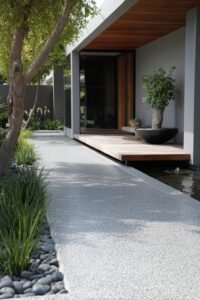
Symmetrical windows also simplify the selection of shutters and trim, as you’ll need fewer variations to outfit your entire exterior.
The timeless nature of balanced design means your home will never look dated or trendy, maintaining its appeal across changing architectural fashions.
You’ll find that symmetry creates excellent proportions, making even modest homes appear more substantial and well-composed than their actual square footage might suggest.
This approach to window placement honors the historical roots of Cape Cod architecture while remaining completely compatible with modern living needs.
The visual stability of symmetrical design creates a sense of permanence and reliability, suggesting that your home is solid, well-built, and dependable.
What's Your Decor Personality?
5 questions · 30 seconds · Instant style match 🏡
Maximize Space and Light with Charming Dormer Windows

Dormer windows transform your Cape Cod’s roofline from simple to spectacular while adding valuable living space to upper floors.
These projecting structures break up the monotony of a plain roof slope, creating architectural interest that makes your home more dynamic and engaging.
The vertical faces of dormers provide opportunities to add windows that flood attic spaces with natural light, making previously dark areas bright and livable.
You can choose from several dormer styles—shed, gabled, or hipped—each bringing its own character while remaining true to Cape Cod traditions.
Shed dormers feature a single sloping roof and typically span wider sections, maximizing interior space and often containing multiple windows.
Gabled dormers echo your main roofline with their triangular peaks, creating a cohesive look that feels like a natural extension of your home’s architecture.
These additions not only look beautiful from the outside but also dramatically improve the functionality of second-floor or attic bedrooms.
You’ll appreciate how dormers increase headroom in upstairs spaces, eliminating those awkward sloped ceilings that make rooms feel cramped and unusable.
The windows within dormers can match your first-floor fenestration, creating visual continuity that ties your entire facade together harmoniously.
Dormers create ideal spots for reading nooks, window seats, or small home offices, taking advantage of natural light and pleasant views.
The shadows cast by projecting dormers add depth and dimension to your roofline, preventing it from looking flat or one-dimensional.
You can coordinate dormer trim and siding with your main exterior, or create subtle contrast that makes these features stand out as special details.
Multiple dormers arranged symmetrically across your roof enhance the balanced aesthetic that defines classic Cape Cod design.
These structures also improve ventilation in upper floors, allowing hot air to escape and creating more comfortable living conditions during summer months.
Adding dormers during renovation projects can significantly increase your home’s value by converting unusable attic space into desirable square footage.
Anchor Your Home with a Stately Brick or Stone Chimney

A substantial brick or stone chimney creates a powerful vertical element that anchors your Cape Cod home and connects it to colonial traditions.
The textured surface of stacked masonry provides rich visual contrast against smooth siding, adding complexity and sophistication to your exterior composition.
Chimneys built from local stone tell a story about your region’s geology and building traditions, creating authentic connections to place and history.
You’ll find that a well-proportioned chimney draws the eye upward, making your home appear taller and more substantial than its actual height.
The warm tones of brick—ranging from deep red to soft salmon—introduce earthy colors that balance the cool whites and grays common to coastal exteriors.
Stone chimneys in fieldstone or granite showcase natural variations in color and texture that make each installation completely unique and impossible to replicate.
A chimney positioned at one end of your home creates asymmetry that adds visual interest while remaining faithful to traditional Cape Cod layouts.
You can choose between a slim, understated chimney or a massive, statement-making structure depending on the level of drama you want to create.
The permanence and solidity of masonry construction suggests stability and quality, communicating that your home was built to last generations.
Chimneys serve as beautiful reminders of cozy fireplaces inside, evoking feelings of warmth, comfort, and traditional hearth-centered living.
The vertical orientation of a chimney provides an excellent counterbalance to the strong horizontal lines of clapboard siding and long rooflines.
You can enhance your chimney’s appearance with decorative caps, crown molding, or corbelling that adds architectural refinement to this functional element.
A prominent chimney creates an iconic silhouette that makes your home instantly recognizable and memorable from a distance.
This feature works beautifully in all seasons, looking equally stunning against bright summer skies or dusted with winter snow.
The craftsmanship visible in quality brickwork or stonework demonstrates a commitment to detail that elevates your entire property’s perceived value.
This or That?
Pick your fave — see what other readers chose! 👀
Expand Your Living Space with an Enclosed Front Porch

An enclosed front porch adds architectural depth to your facade while creating a transitional space between outdoors and in.
This practical addition provides shelter from rain and sun, making your entrance more welcoming and functional in all types of outdoor conditions.
The shadow lines created by a porch overhang add dimension and prevent your facade from appearing flat or monotonous.
You’ll love having a protected space to greet guests, set down packages, or shake off umbrellas before entering your main living areas.
A porch with decorative railings, columns, or brackets introduces ornamental details that enhance your home’s character without overwhelming its simple lines.
This covered area creates the perfect spot for a bench or chairs, extending your usable living space and encouraging outdoor relaxation.
White-painted porch elements against your main siding color create crisp, clean contrast that feels quintessentially Cape Cod.
You can personalize your porch with hanging plants, lanterns, or seasonal decorations that showcase your style and welcome visitors warmly.
The depth created by a porch makes your entrance more prominent and important-looking, clearly signaling where guests should approach.
A covered porch protects your front door and surrounding trim from harsh elements, reducing maintenance needs and extending the life of your finishes.
This architectural feature creates excellent opportunities for layered lighting—overhead fixtures, wall sconces, and decorative lanterns—that makes your home glow beautifully at night.
You can screen in a front porch to create bug-free outdoor space, or leave it open for an airier, more traditional appearance.
The horizontal lines of porch railings echo your siding while the vertical posts or columns add structural rhythm across your facade.
A well-designed porch increases your home’s square footage perception, making it appear larger and more substantial from the street.
This addition significantly boosts curb appeal and property value, as buyers consistently rate covered entries as highly desirable features.
Embrace Coastal Colors with Soft Gray or Blue Siding

Soft gray or blue-gray siding captures the essence of coastal living, echoing the colors of weathered driftwood and misty ocean horizons.
These subtle, sophisticated hues provide a refreshing alternative to traditional white while maintaining the light, airy quality that defines Cape Cod style.
You’ll find that gray-blue tones create a serene, calming atmosphere that makes your home feel like a peaceful retreat from the busy world.
These colors pair beautifully with crisp white trim, creating enough contrast to define architectural features without the starkness of black accents.
The muted palette works harmoniously with natural landscaping, allowing your gardens and foundation plantings to truly shine as colorful focal points.
Gray siding hides dirt and imperfections better than pure white, requiring less frequent cleaning while maintaining a polished, well-kept appearance.
These ocean-inspired shades look stunning in changing light conditions, appearing silvery in morning sun and deepening to richer tones during golden hour.
You can select from countless variations—dove gray, pewter, slate, seafoam, or powder blue—to find the perfect shade that expresses your personal style.
These colors evoke the relaxed sophistication of beach communities without relying on obvious nautical clichés like bright navy or sailboat white.
The understated elegance of gray or blue siding allows other elements—your door color, shutters, or landscaping—to serve as statement-making accents.
This modern interpretation of Cape Cod style appeals to contemporary tastes while respecting traditional architectural principles and proportions.
You’ll appreciate how these colors complement a wide range of roofing materials, from traditional asphalt shingles to modern metal or cedar shake.
Gray and blue tones create a sense of continuity with the surrounding coastal environment, making your home feel naturally integrated into its setting.
These shades photograph beautifully, ensuring your home looks stunning in listings, social media posts, or family photo albums.
Choosing these soft, sophisticated colors demonstrates design confidence and shows that you’re willing to step beyond basic conventions while maintaining timeless appeal.
Quick Design Dilemma
Cast your vote — see what other readers think! 🤔
Connect to Nature with Coastal-Inspired Landscaping

Your Cape Cod exterior reaches its full potential when surrounded by landscaping that echoes the natural coastal environment and complements your architecture.
Native grasses like fountain grass or blue fescue add movement and texture while requiring minimal maintenance, perfect for the relaxed Cape Cod lifestyle.
You’ll find that beach roses bring both color and authenticity, as these hardy shrubs have thrived along New England coastlines for centuries.
Hydrangeas in white, blue, or pink create lush, romantic displays that perfectly suit the cottage-style character of Cape Cod homes.
Stone or gravel pathways guide visitors to your entrance while introducing natural textures that complement brick, stone, or wood exterior elements.
Simple, low-maintenance foundation plantings keep the focus on your home’s architectural features rather than competing with overly elaborate gardens.
You can incorporate driftwood, beach stones, or weathered wood elements as garden accents that reinforce your coastal theme without looking contrived.
Native evergreens like beach plum or bayberry provide year-round structure while connecting your property to the indigenous plant communities of Cape Cod.
A white picket fence serves as the quintessential Cape Cod landscaping element, defining your property boundaries while maintaining a friendly, open appearance.
You’ll appreciate how ornamental grasses planted near your foundation soften hard architectural lines and create gentle transitions between house and yard.
💭 I Wrote a Book About My Biggest Decorating Mistakes!
When I decorated my first home, I thought I knew what I was doing. Spoiler: I didn't. 😅
💸 I bought a sofa way too big for my living room. Paint colors that looked amazing in the store but terrible on my walls.
Window boxes filled with trailing petunias or geraniums add charming pops of color at eye level, enhancing your home’s welcoming character.
Simple, symmetrical landscaping—matching plantings on either side of your entrance—reinforces the balanced design principles inherent in Cape Cod architecture.
Natural mulch in earth tones keeps your beds looking tidy while providing a neutral backdrop that lets your plantings and home’s colors shine.
You can create outdoor living spaces with Adirondack chairs on a gravel patio, extending your home’s livable area into the landscape.
Thoughtful landscaping increases your property value substantially, with mature, well-planned gardens often returning several times their initial investment when you sell.
These Cape Cod exterior ideas give you a solid foundation for creating a home that honors classic New England architecture while expressing your unique personality.
If you implement just one or two of these suggestions or embrace them all, you’ll end up with an exterior that turns heads, increases your property value, and makes you smile every time you pull into your driveway.
The beauty of Cape Cod style is that it’s both timeless and flexible, allowing you to create a home that feels authentically traditional or refreshingly modern—or that perfect blend of both.