
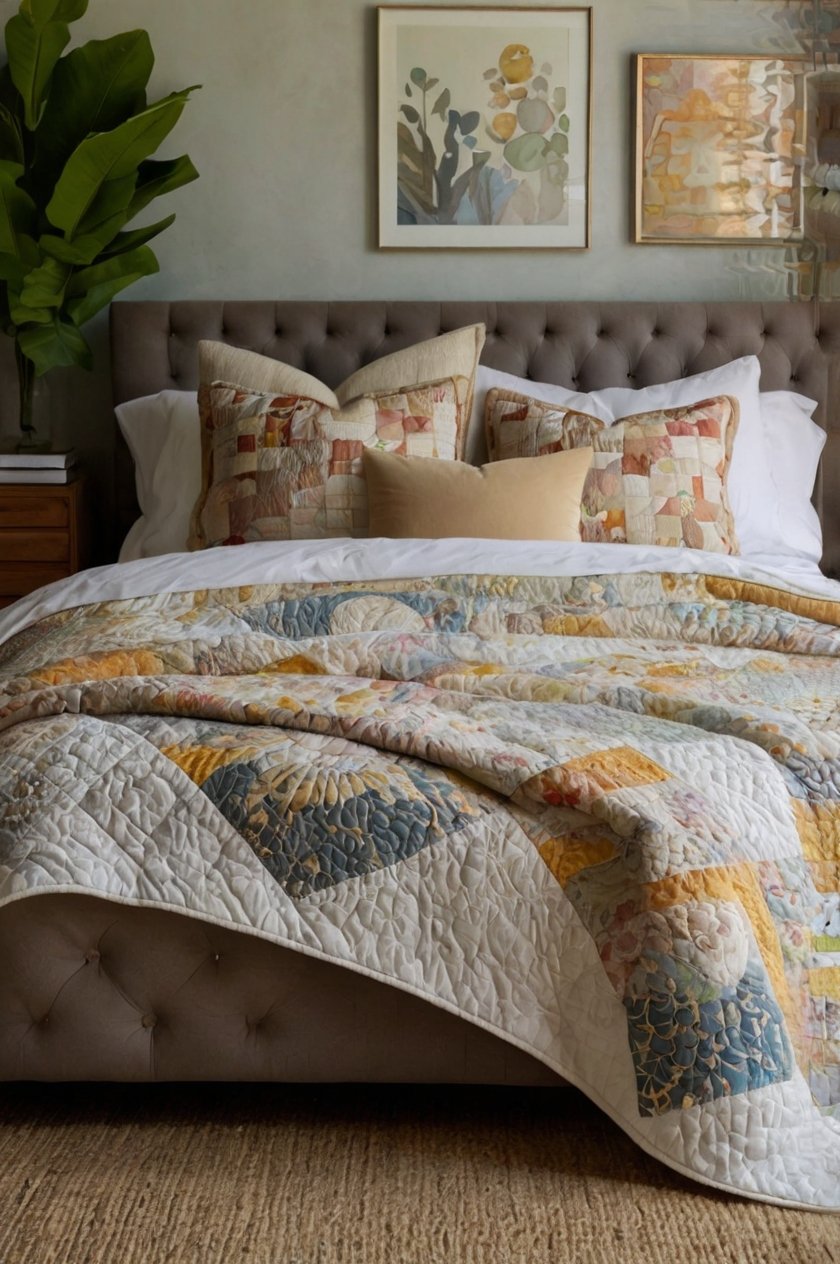

I’ll be honest — I used to think a gorgeous, layered bed was just something hotels did, something that required a team of people and a Pinterest budget I didn’t have.
Then one rainy Saturday, I pulled every blanket and pillow from my linen closet and just… started experimenting.
And something clicked.
Layering textiles isn’t about perfection.
It’s about warmth, texture, and that specific feeling of climbing into a bed that looks like it belongs in a magazine.
I’m going to walk you through exactly how I do it.
Start With a Mattress Protector That Actually Feels Good

Nobody talks about this enough, and I’m here to change that.
The foundation of a dreamy bed isn’t your duvet — it’s what’s underneath everything.
A quilted, fitted mattress protector adds the softest first layer of cushion.
It smooths out any lumps and gives your fitted sheet something gorgeous to cling to.
I switched to a cotton-quilted one a while back and honestly, I felt the difference the first night.
You’re building a cloud from the ground up.
Don’t skip this step thinking nobody will see it — you’ll feel it every single time you sink in.
And that, my friend, is the whole point.
Choose Your Fitted Sheet Like You Mean It


This is your skin-contact layer.
It matters more than people realize.
I spent years buying whatever was on sale and wondering why my bed never felt truly luxurious.
A high-quality percale or sateen fitted sheet changes everything.
Percale feels crisp and cool — almost like a five-star hotel.
Sateen feels silky and warm, which I personally love in the colder months.
Stick to white, ivory, or soft linen tones for that magazine look.
Neutral fitted sheets let every layer above them shine.
Think of it like a good foundation — quiet, but doing so much heavy lifting.
Tuck those corners tight and smooth out every wrinkle you can.
A properly fitted sheet makes every layer above it look intentional.
Add a Flat Sheet — Yes, Even If You Think You Don’t Need One


I know, I know.
A lot of people have abandoned the flat sheet.
But hear me out — it is one of the most underrated layering tools you own.
A flat sheet adds visual depth and that beautiful folded-down moment at the top of the bed.
It’s also a practical middle layer between you and your duvet on warm nights.
So cozy, so versatile.
For the magazine look, fold your flat sheet back over your duvet about a third of the way down.
This creates that signature hotel fold that makes the whole bed look polished and intentional.
Choose a flat sheet in a tone slightly warmer or cooler than your fitted sheet.
A tiny hint of contrast adds dimension without being loud.
Pick a Duvet Insert That Matches Your Sleep Style


Your duvet insert is the big, fluffy heart of the whole situation.
And it needs to match how you actually sleep — not just how it looks in photos.
If you run warm, go for a lightweight down-alternative insert.
If you’re always cold like me, a heavier down insert is basically a hug you never have to let go of.
The fill matters as much as the weight.
Down feels luxuriously light and lofty.
Down-alternative is great if you have allergies and still want that cloud-like puff.
A good insert should be generously sized — slightly wider and longer than your mattress.
That extra drape over the sides is what gives your bed that full, editorial look.
Choose a Duvet Cover That Sets the Whole Mood

This is the piece everyone sees first.
It sets the tone for your entire room.
And I think people stress about it way more than they need to.
My advice?
Start with a neutral — white, warm oat, soft sage, or dusty linen.
Neutrals work with every pillow and throw combination, which gives you so much more freedom to play.
Texture is everything here.
A waffle-weave duvet cover looks so different from a smooth sateen one, even in the same color.
When I redid my bedroom last fall, I went with a stonewashed linen cover and I’m still obsessed.
Look for a duvet cover with interior ties to keep your insert from bunching.
It sounds like a small thing.
It is not a small thing.
Layer in a Quilt or Coverlet for Depth


This is the move that takes a bed from “nice” to “wow.”
A quilt or coverlet layered at the foot of your bed adds incredible visual texture.
I like to fold mine in thirds and drape it across the lower half of the bed.
It creates a clear visual break and adds another layer of warmth that you can actually pull up on cool nights.
Choose something with a pattern or texture that contrasts your duvet.
If your duvet is smooth linen, go for a quilted or patterned coverlet.
That contrast is what creates the layered, editorial look you’re after.
Don’t be afraid to let it look slightly imperfect.
A gently rumpled quilt looks lived-in and intentional at the same time.
Build Your Pillow Lineup From Back to Front


Pillows are where the magic happens.
And yes, there is a method to it.
Building from back to front creates depth — and that is the whole secret.
Start with your sleeping pillows in Euro shams at the back.
These big square pillows anchor the whole arrangement and make your bed look substantial.
In front of those, layer your standard sleeping pillows in matching or coordinating shams.
Keep the shams in a tone that complements your duvet without exactly matching — that slight variation reads as intentional and sophisticated.
Then add your decorative pillows in front.
Two to three is usually plenty — more than that can start to look cluttered.
And honestly, you want to be able to actually get into bed without a major production.
Mix Pillow Textures Without Creating Chaos
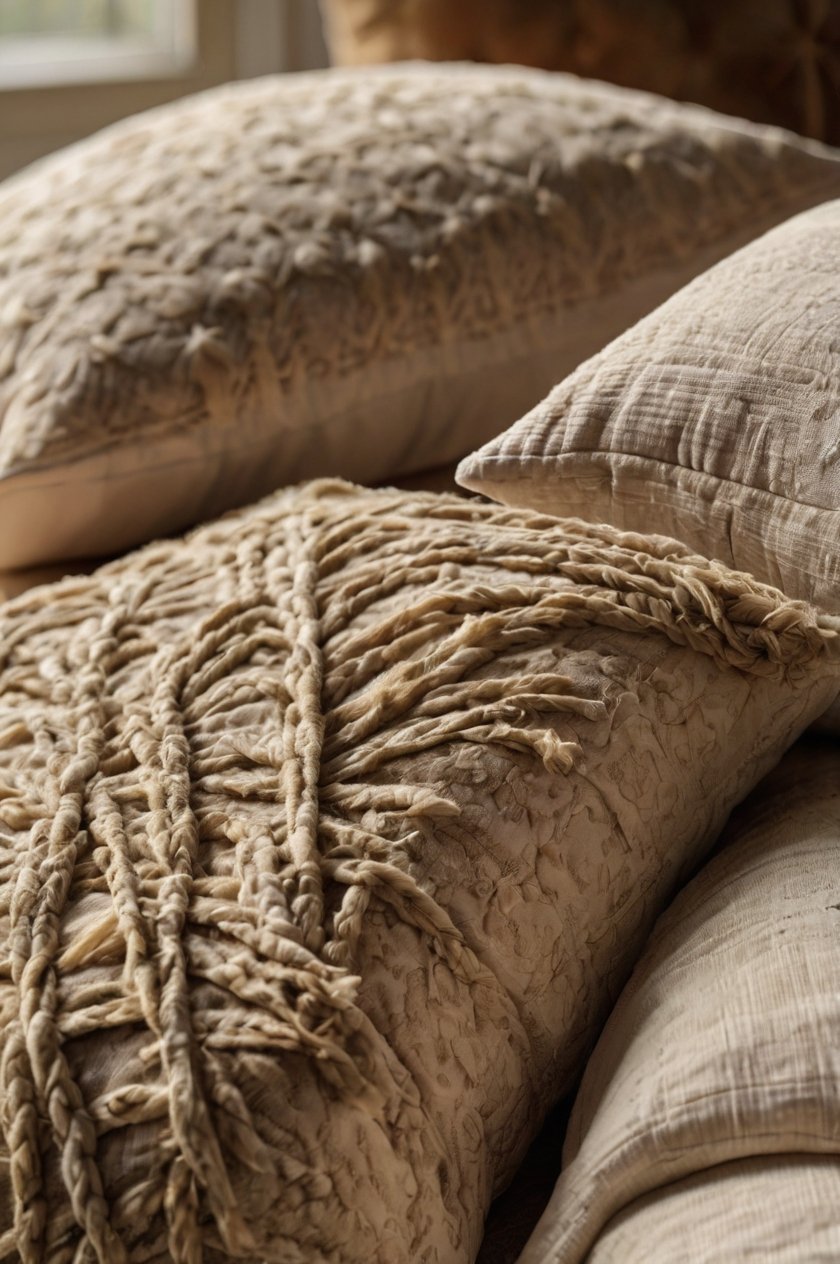
The trick to a pillow arrangement that looks intentional and not like a pillow explosion?
Vary the texture, not just the color.
Pair something smooth and silky with something nubby or woven.
Think velvet next to linen, or a knit pillow beside a satin sham.
The contrast is what makes your eye want to keep looking.
Stick to a tight color palette — two or three tones max.
You can go wild with texture within those tones and it will always look cohesive.
A single lumbar pillow in the front is sort of my signature move.
It’s slim, it’s elegant, and it’s incredibly easy to toss to the side at bedtime.
Functionality plus beauty.
Love that for us.
Drape a Throw Blanket Like You Mean It
 Drape a Throw Blanket Like You Mean It“/>
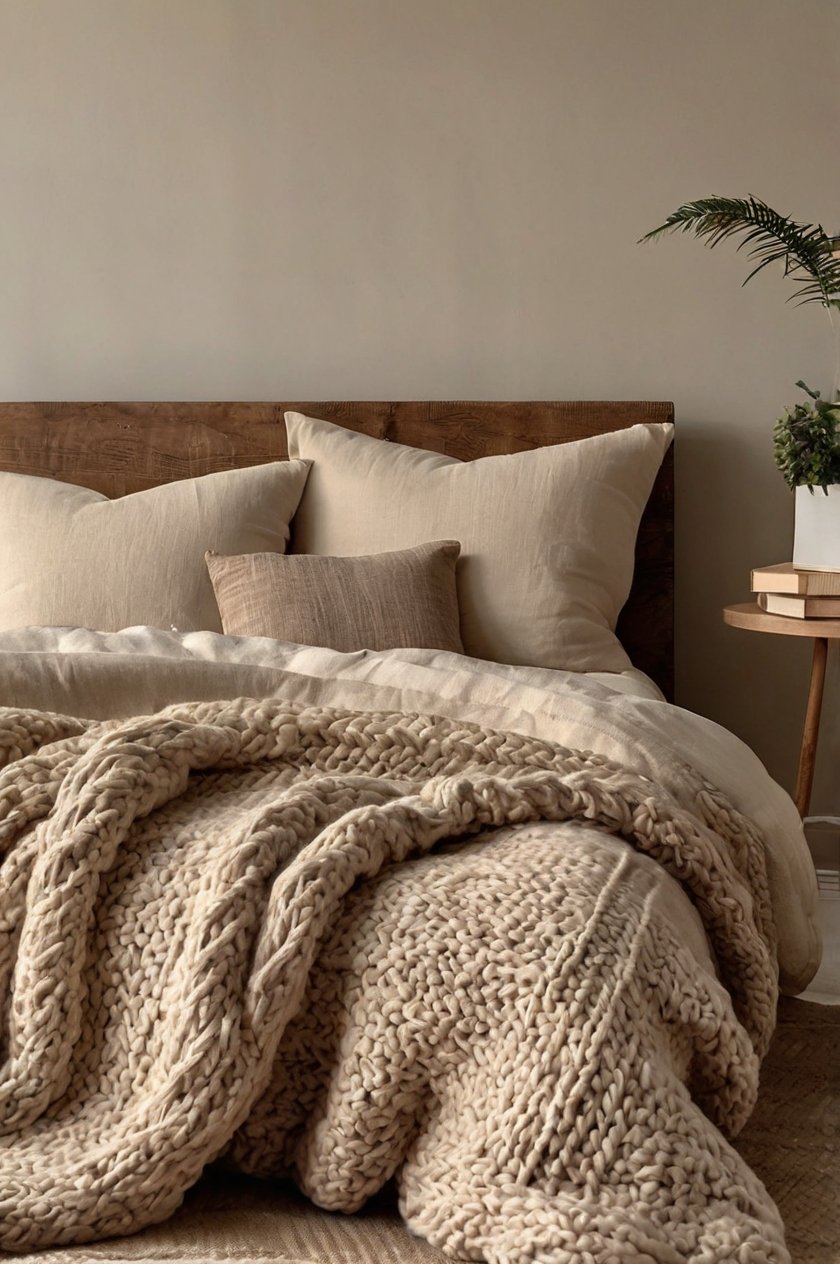
A throw blanket is possibly the most underused styling tool in bedding.
Most people fold it in a neat rectangle at the foot of the bed and call it done.
But here’s what I do instead: drape it at a slight diagonal, letting one corner fall lower than the other.
Or scrunch it loosely over one side of the bed for that effortlessly casual look I’m completely obsessed with.
Choose a throw in a different weight and texture from your duvet.
A chunky knit throw over a smooth duvet is just *chef’s kiss.*
A lightweight cotton throw over a heavy linen duvet feels breezy and layered.
Keep it in your color family but go a shade or two richer.
That small depth of tone is what makes the whole bed feel intentional.
Embrace the Art of the Intentional Wrinkle
Can we talk about how magazines always show beds that look perfectly imperfect?
That slightly rumpled, effortless look is not an accident — it’s a skill.
The goal is to look casually beautiful, not military-tight.
After you make your bed, go back and gently pull the duvet forward just slightly in the center.
It creates a natural, relaxed drape.
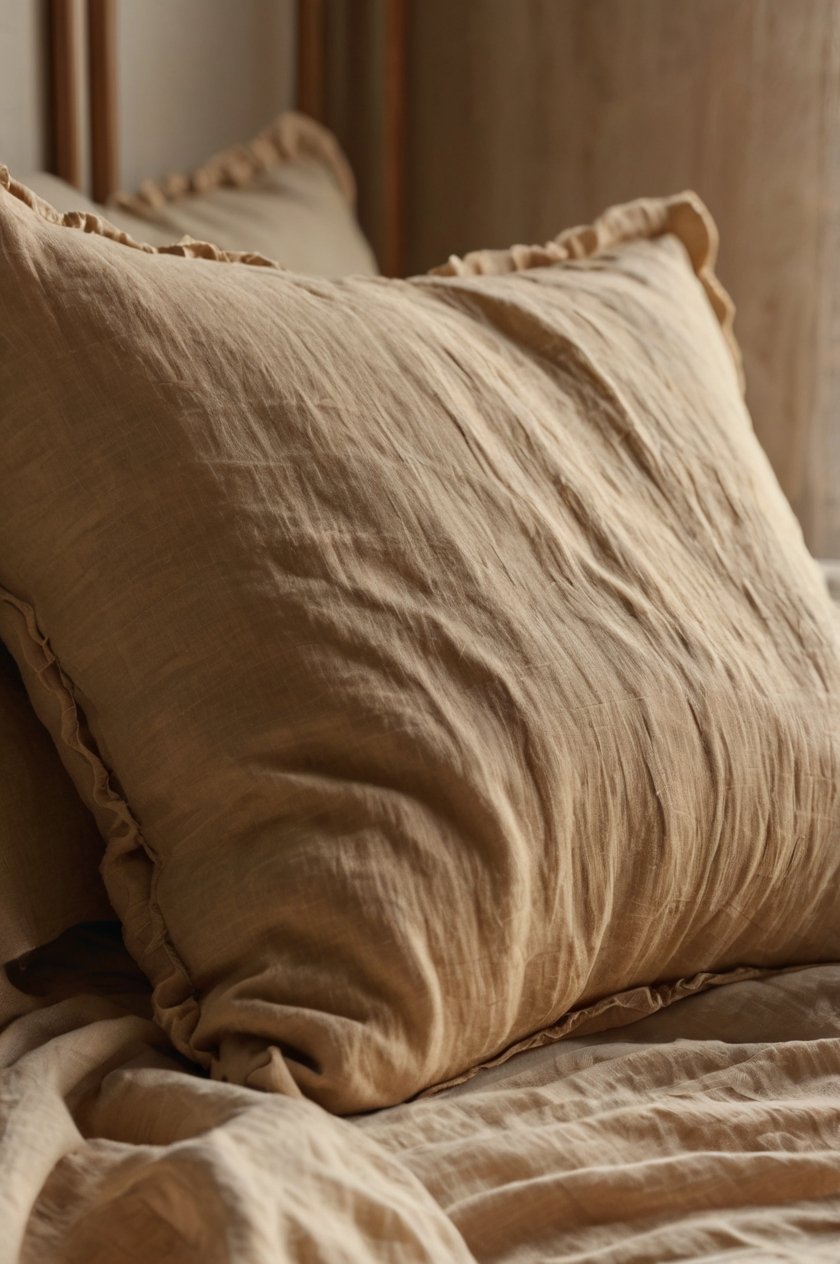
Tousle your pillow shams just a little — press in the centers slightly with your palms.
This makes them look full and soft instead of flat and stiff.
And give your throw one final, casual flick before you step back.
You’re not making a hospital bed — you’re creating a space you actually want to curl up in.
Coordinate Your Bedding With Your Room — Not Just Itself
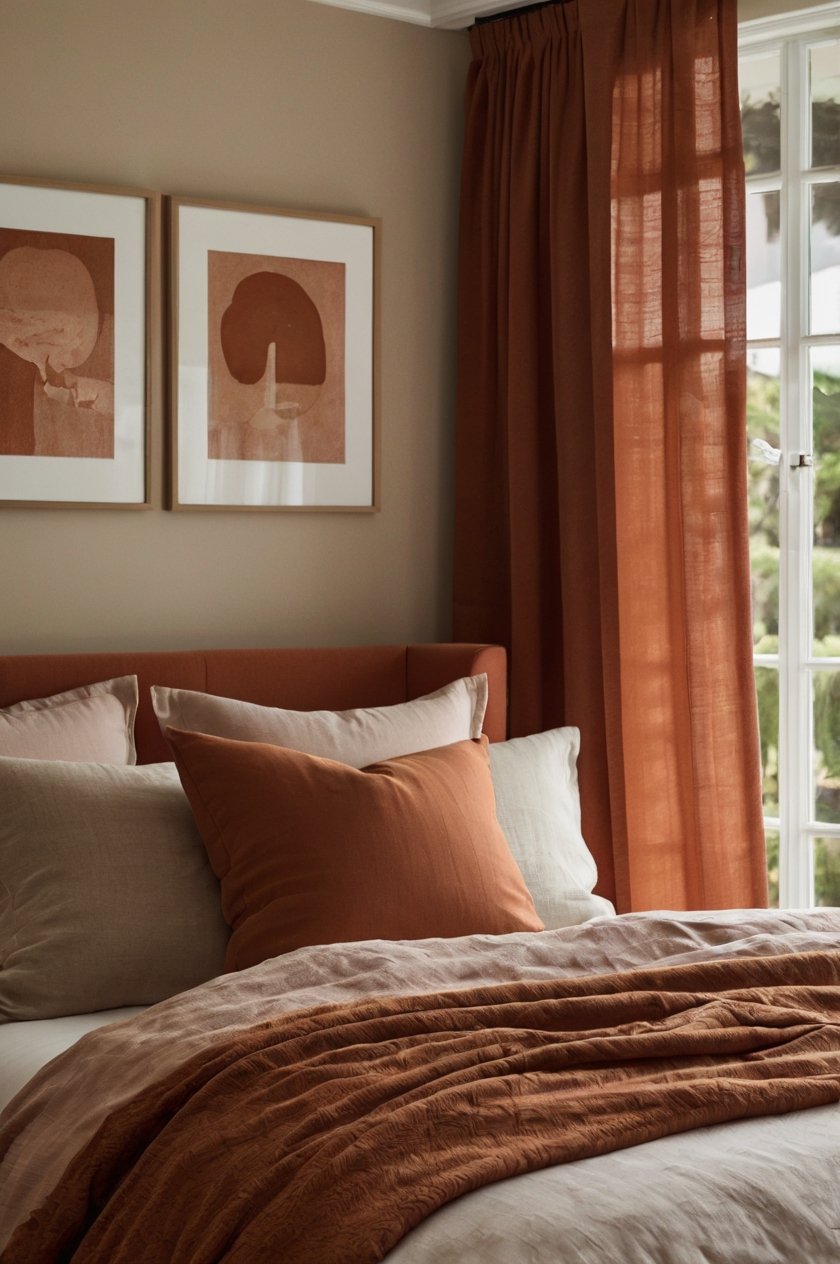
A gorgeous bed can still look off if it clashes with the rest of the room.
Your textiles should feel like they belong to the space, not like they were dropped in from somewhere else.
Pull one color from your walls, rug, or curtains and echo it in at least one bedding piece.
It doesn’t have to be obvious — even a subtle nod ties everything together.
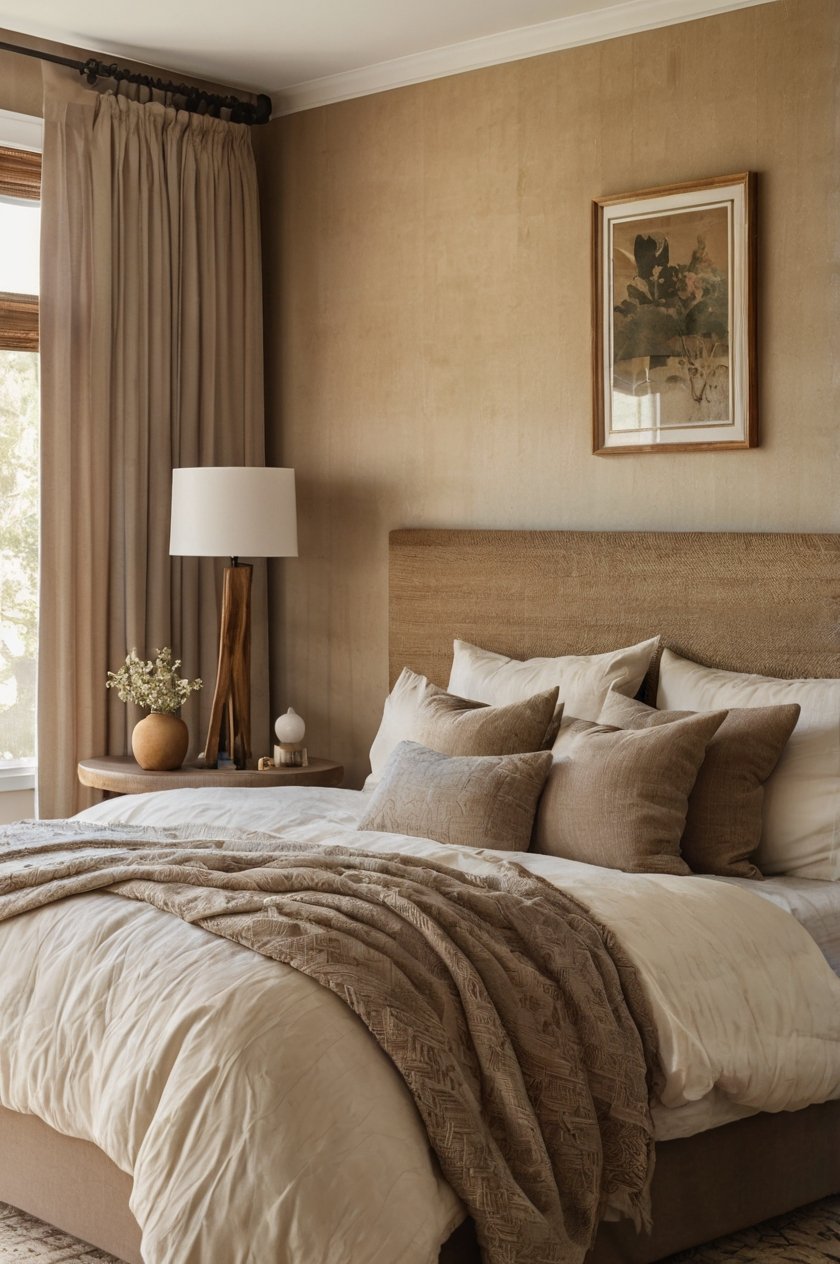
When I redesigned my guest room, I pulled the warm terracotta from my curtains into a single lumbar pillow on the bed.
Suddenly the whole room felt cohesive without any major changes.
This is the kind of detail that makes people walk into your bedroom and say “wow” before they can even explain why.
It’s harmony.
And it’s so worth the extra thought.
Wash and Care for Your Textiles the Right Way
This might feel boring, but stay with me — it is so important.
Even the most gorgeous bedding will look flat and sad if you don’t care for it properly.
Linen and cotton get softer with every wash — so don’t fear washing them frequently.
I wash my duvet cover every couple of weeks and my sheets every week.
Fresh bedding just feels different.
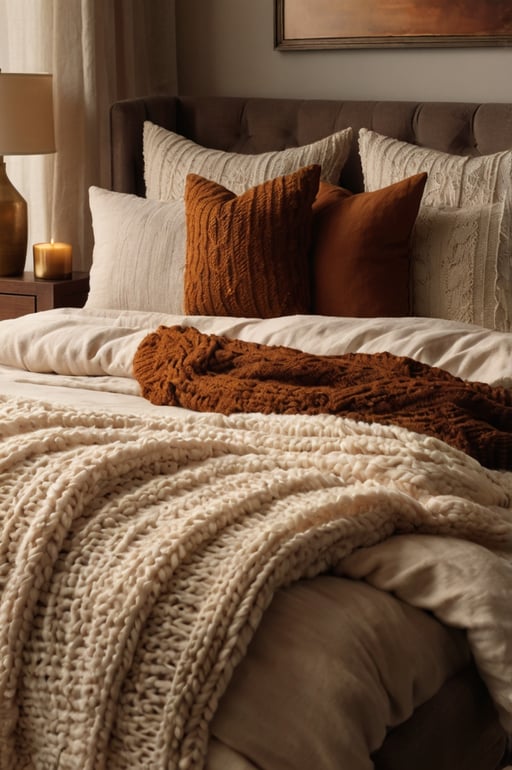
Dry linen on low heat and pull it out slightly damp to avoid stiff, over-dried fabric.
Give it a good shake before it goes back on the bed and you’ll get that beautiful, relaxed drape naturally.
Fluff your duvet insert in the dryer with a couple of dryer balls every few weeks too.
It restores the loft and keeps it feeling cloud-like instead of flat and sad.
Adjust Your Layers With the Seasons
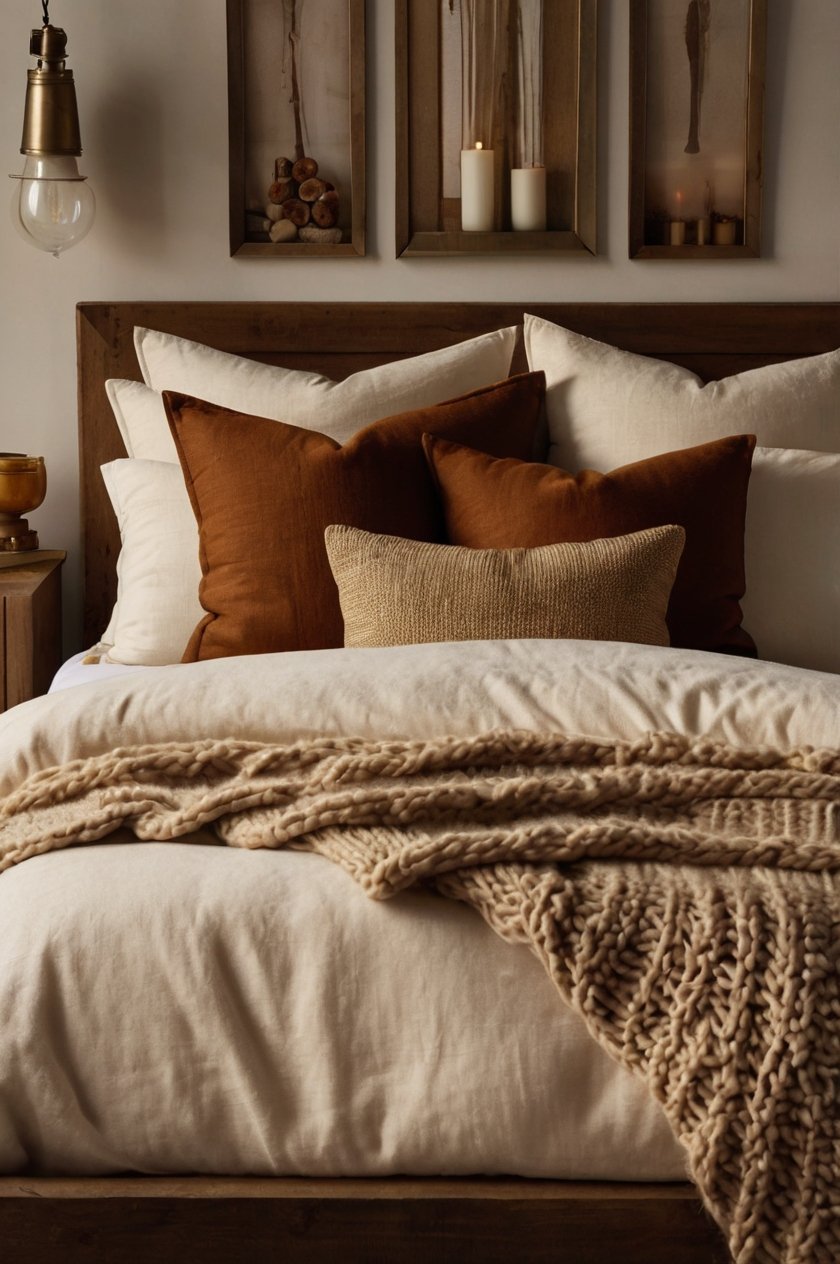
Your bed should change with the seasons — not just your wardrobe.
This is one of my favorite parts of the whole thing, honestly.
In summer, I strip it back to just a percale sheet and a lightweight cotton coverlet.
It feels breezy and clean, and honestly still looks beautiful with the right pillow styling.
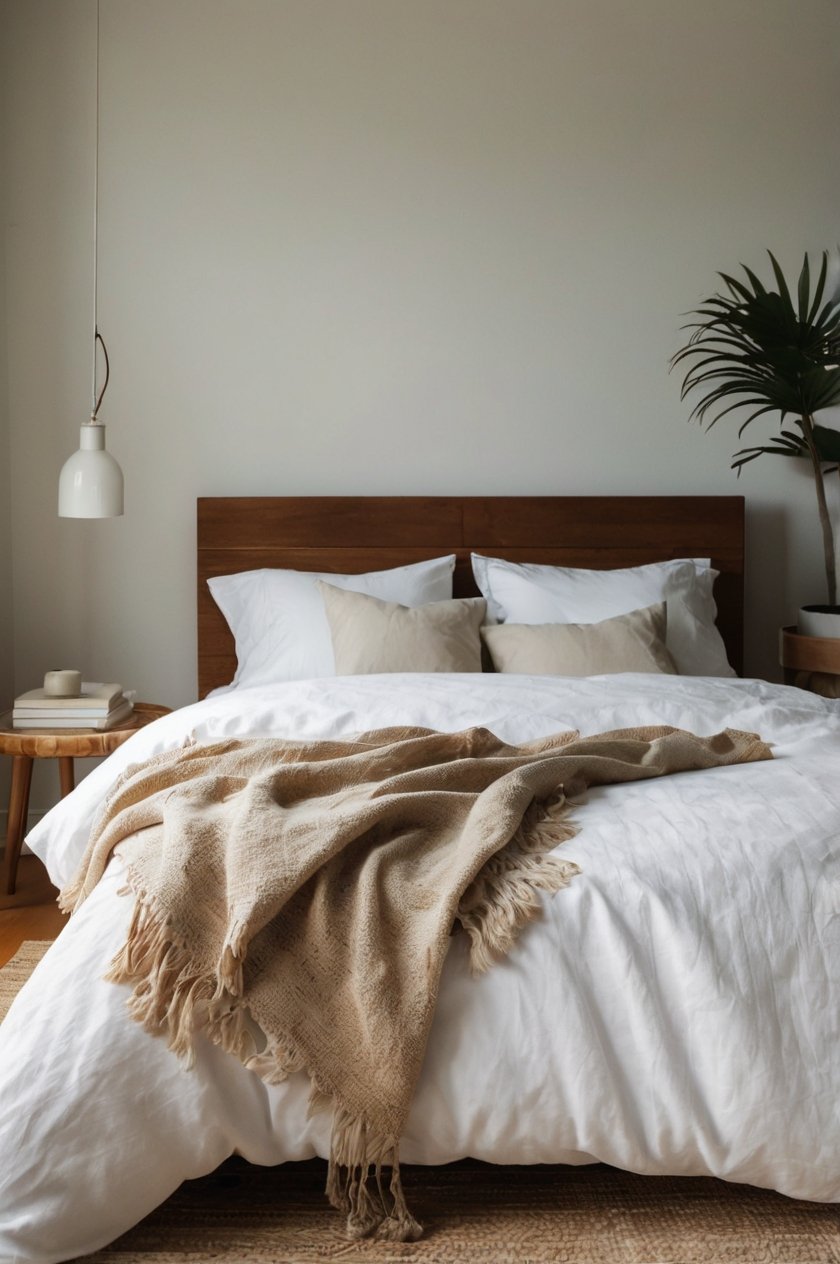
Come fall, I add back the linen duvet and swap in warmer, richer pillow tones — think deep rust, chocolate brown, or moody sage.
And then by winter, the chunky knit throw comes out and I’m basically living in a cocoon.
Storing your off-season textiles in breathable cotton bags keeps them fresh and ready.
And pulling out your cozy winter layers when the temperature drops?
Honestly one of my favorite little rituals of the year.