
Baking at home has exploded in popularity, and if you’re ready to level up your game, you need the right tools in your arsenal.
This isn’t about hoarding every gadget you see on Instagram—it’s about investing in the essentials that actually make a difference between amateur attempts and bakery-quality results.
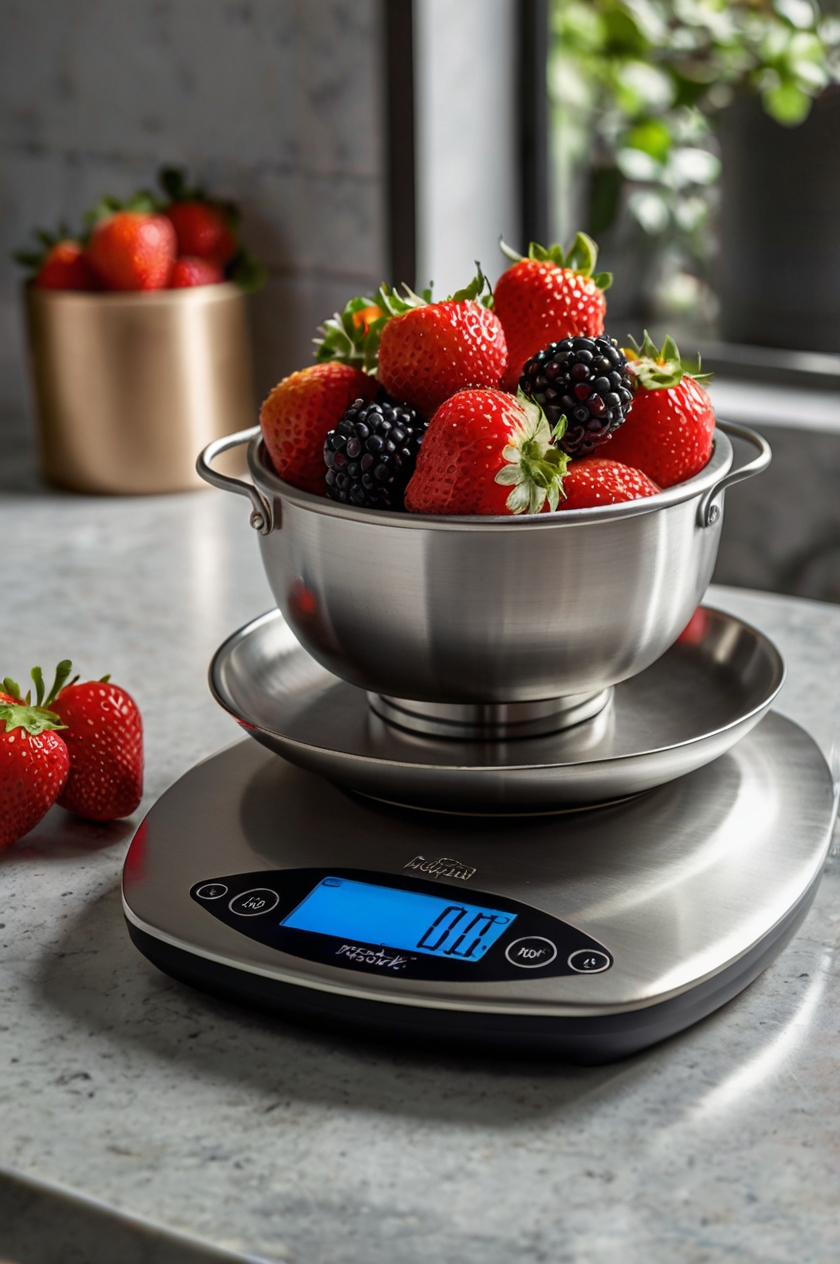
Digital Kitchen Scale with Bluetooth Connectivity

You’re probably still using measuring cups, and that’s exactly why your cookies turn out different every single time.
A digital kitchen scale is the single most important upgrade you can make to your baking setup, and modern versions with Bluetooth connectivity sync directly to recipe apps on your phone.
Baking is pure science, and even a tablespoon of extra flour can turn your fluffy cake into a hockey puck.
Professional bakers measure everything by weight because it’s the only way to guarantee consistency—a cup of flour can weigh anywhere from 120 to 150 grams depending on how you scoop it.
With a Bluetooth-enabled scale, you can follow along with digital recipes that automatically adjust measurements, track your ingredient additions in real-time, and even save your custom recipes with precise measurements.
Look for a scale that measures in both grams and ounces, has a tare function (so you can zero out the weight of your bowl), and can handle at least 11 pounds.
The rechargeable battery models save you money in the long run and are way more eco-friendly than constantly replacing AAA batteries.
Some high-tech versions even include nutritional calculators that break down the macros in your homemade treats—perfect if you’re tracking your intake but still want to indulge.
The sleek, thin design of modern scales means they slip easily into a drawer or stand upright in a cabinet, unlike those bulky old-school versions your grandma used.
You’ll find yourself using this tool for everything, not just baking—portioning meat, measuring coffee beans, even weighing packages before shipping.
The glass or stainless steel surfaces wipe clean in seconds, which matters when you’re covered in flour and rushing to get your dough mixed before the butter warms up.
Once you start weighing ingredients, you’ll immediately notice how much more consistent your results become, and you’ll wonder how you ever baked without one.
Madison’s Current Obsessions
The Ultimate Guide to Wall Colors That Make Green Cabinets Shine Like StarsPremium Silicone Baking Mat Set

Parchment paper is expensive, wasteful, and you always run out at the worst possible moment.
Silicone baking mats are reusable, non-stick, and pay for themselves after just a few months of regular baking.
These mats are made from food-grade silicone reinforced with fiberglass mesh, creating a perfectly non-stick surface that withstands temperatures up to 480°F.
You can bake cookies, roast vegetables, make candy, roll out dough, and even use them as a clean workspace for kneading—all without adding any oil, butter, or cooking spray.
The best part is how evenly they distribute heat, which means no more burnt bottoms on your cookies while the tops are still pale and underdone.
Modern silicone mat sets come with multiple sizes to fit all your baking sheets, plus smaller mats perfect for your toaster oven or air fryer.
Some feature printed measurement guides and circles, which are absolute game-changers when you’re rolling out pie dough to a specific diameter or portioning cookie dough evenly.
Cleanup is ridiculously easy—just wipe them down with soapy water, or toss them in the dishwasher if they’re really messy.
You’ll save hundreds of dollars over the years by not constantly buying rolls of parchment paper or aluminum foil, plus you’re doing something good for the environment.
They last for thousands of uses if you take care of them properly, and they don’t retain odors or stains like some cheaper versions might.
Store them flat or loosely rolled (never fold them or you’ll create permanent creases), and they’ll serve you faithfully for years.
The non-stick surface is so effective that even the gooiest cinnamon rolls or the stickiest toffee releases without leaving a trace behind.
Design Your Dream Room in Minutes! By DreamyHomeStyle
🏡 Start Creating FREE →Madison’s Current Obsessions
13 Chic Color Schemes To Transform Your KitchenProfessional-Grade Stand Mixer with Specialty Attachments


Your arm shouldn’t be your primary baking tool in 2025.
A stand mixer is the workhorse of any serious home baker’s kitchen, and modern models come with attachments that turn them into multi-functional powerhouses.
The planetary mixing action (where the beater rotates around the bowl while also spinning on its own axis) ensures every bit of your batter gets incorporated perfectly.
You can walk away while it kneads your bread dough for ten minutes, whips your egg whites to stiff peaks, or creams butter and sugar to fluffy perfection.
The main bowl should be at least 5 quarts for a household baker, though 6 or 7 quarts gives you room to grow if you start making larger batches.
Look for a model with multiple speed settings (at least 10) and a powerful motor—300 watts minimum, but 500+ watts if you plan on making lots of bread dough.
The tilt-head design is easier to access and clean, while bowl-lift models are sturdier for heavy doughs and larger quantities.
Here’s where it gets exciting: modern stand mixers accept specialty attachments that transform them into pasta makers, food grinders, vegetable spiralizers, and even ice cream makers.
The pasta roller attachment alone justifies the investment if you’ve ever wanted to make fresh fettuccine or ravioli from scratch.
Color options have exploded beyond basic white—you can get metallics, pastels, bold primaries, or even custom colors that match your kitchen aesthetic perfectly.
These machines are built to last decades, not years, so you’re making a genuine investment in your culinary future.
When you’re creaming butter that’s perfectly at room temperature with the paddle attachment, or watching the dough hook transform shaggy flour into smooth, elastic dough, you’ll feel like a professional pastry chef.
Madison’s Current Obsessions
13 Moody Kitchen Designs to Transform Your SpaceStainless Steel Mixing Bowl Set with Non-Slip Bases

Plastic bowls absorb odors and stain, glass bowls are heavy and breakable, but stainless steel bowls are basically indestructible.
A good set of stainless steel mixing bowls will literally last you a lifetime and make every mixing task easier and more efficient.
You need multiple sizes because baking involves a lot of separate components—your dry ingredients in one, wet in another, maybe melted chocolate in a third.
The best modern sets come with non-slip silicone bases that keep the bowls stable while you’re whisking or mixing vigorously with one hand.
Stainless steel doesn’t react with acidic ingredients like lemon juice or vinegar, so your ingredients taste exactly as they should.
These bowls can go from freezer to oven (if they’re fully stainless with no plastic parts), making them incredibly versatile for various baking techniques.
The wide, shallow design of quality mixing bowls gives you plenty of room to fold in ingredients gently without deflating delicate batters.
Pour spouts on the rims make transferring batter or dough mess-free, and the rolled edges are comfortable to grip even when the bowl is full.
They’re dishwasher safe, though they’re so easy to clean by hand that you’ll often just rinse and wipe them down between uses.
Stainless steel conducts temperature well, which matters when you’re whipping cream over an ice bath or melting chocolate over a double boiler.
Nested storage means even a comprehensive set of 5-6 bowls takes up minimal cabinet space.
The polished mirror finish not only looks professional and sleek, but it also shows you clearly when the bowl is completely clean with no residual grease film.
Madison’s Current Obsessions
13 Fall Kitchen Decor Ideas To Warm Up Your SpaceStainless Steel Bench Scraper with Comfortable Grip

This simple rectangular tool is the secret weapon you see in every professional bakery for good reason.
A bench scraper (also called a dough cutter or pastry scraper) makes dividing dough, cleaning your workspace, and transferring ingredients dramatically easier.
The straight metal edge cuts through dough cleanly without dragging or tearing, which matters when you’re portioning rolls or cutting biscuits.
You can use it to scrape every last bit of sticky dough off your work surface, which saves waste and makes cleanup take seconds instead of minutes.
When making laminated doughs like croissants or puff pastry, the bench scraper helps you fold and turn the dough with precision.
The marked measurements on quality scrapers let you divide dough into equal portions without measuring each piece separately.
Modern versions feature ergonomic handles made from comfortable materials like silicone or soft-touch plastic that won’t hurt your hand during extended use.
You’ll find yourself reaching for it constantly—scooping chopped nuts, gathering flour, portioning cookie dough, even smoothing frosting on cake sides.
The thin, flexible metal edge gets under sticky dough easily, while the rigid body gives you control and leverage.
Stainless steel won’t rust or corrode, and it’s safe to use on wooden cutting boards without causing damage.
Some bakers keep multiple bench scrapers in different sizes for various tasks, though one good 6-inch scraper handles 90% of situations.
This is one of those tools that seems almost too simple to matter, but once you have it, you’ll use it every single time you bake.
Madison’s Current Obsessions
Transform Your Space: 13 Drool-Worthy Kitchen Sink Decor Ideas That Actually WorkFrench-Style Rolling Pin with Smooth Tapered Design
That rolling pin with handles your grandma used is actually making your pie dough tougher than it needs to be.
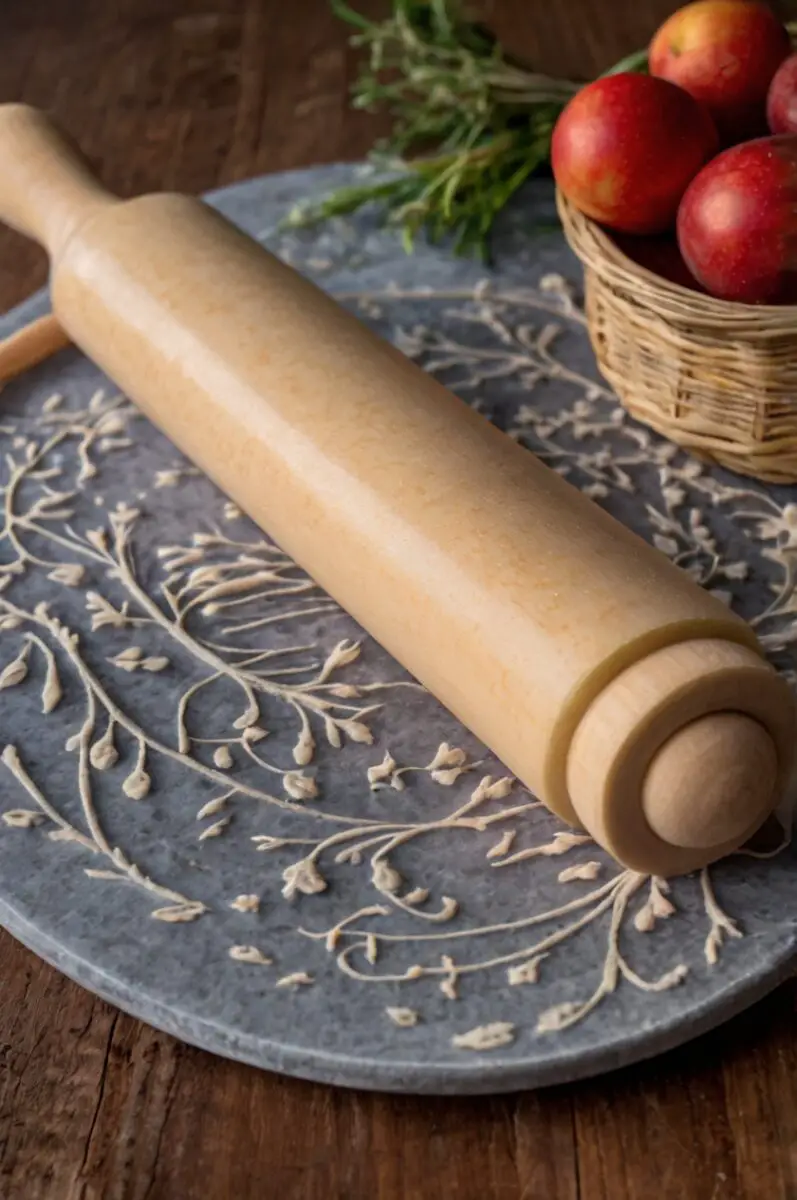
A French-style rolling pin (basically a smooth wooden dowel that tapers at the ends) gives you way more control and better feel for the dough.
Without handles, your hands rest directly on the pin, which means you can feel exactly how thick the dough is and adjust pressure instantly.
The tapered design lets you see the edges of your dough more clearly, preventing uneven thickness and overworking certain sections.
Quality hardwood pins like beech or maple are naturally non-stick when you keep them properly seasoned with a light coating of mineral oil.
The weight and diameter matter—around 2 inches thick and 18-20 inches long is perfect for most home baking projects.
You can apply more even pressure across the entire width of dough, which prevents the thin edges and thick centers that cause uneven baking.
Rolling pins without ball bearings have no mechanical parts to break or collect flour and grime in unreachable places.
The smooth wood surface is gentle on delicate dough and won’t tear or create divots like textured or damaged rolling pins might.
Cleanup is simple—just wipe with a damp cloth and let it air dry, never soak it or put it in the dishwasher.
Professional pastry chefs almost universally prefer French-style pins because they allow for the precise, intuitive control that’s essential for laminated doughs and delicate pastries.
Once you get used to the direct contact and sensitivity of a French pin, going back to a handled version will feel clumsy and disconnected.
Madison’s Current Obsessions
13 Stunning Gray And White Kitchen DesignsOffset Spatula Set in Multiple Sizes

Trying to frost a cake with a butter knife is like trying to paint a masterpiece with a crayon.
Offset spatulas have an angled blade that keeps your hand above the surface while the metal edge glides smoothly across frostings and batters.
The small 4-6 inch offset spatula is perfect for spreading filling between cake layers, smoothing frosting on cupcakes, and loosening brownies from pans.
The larger 8-10 inch version handles full cake surfaces, smoothing the top and creating those gorgeous clean sides you see in professional bakeries.
The offset angle prevents your knuckles from dragging through the frosting and gives you a clear view of what you’re doing.
Modern versions feature comfortable, non-slip handles that stay secure even when your hands are covered in butter or frosting.
The thin, flexible stainless steel blade bends slightly to conform to curved surfaces, making it ideal for frosting layer cakes with perfect smoothness.
You’ll use these tools beyond frosting—they’re amazing for flipping delicate cookies, lifting brownies, spreading batter evenly in pans, even serving pie slices.
The straight edge creates those sharp, clean lines that make homemade cakes look professional, especially when you’re doing a crumb coat.
Heat-resistant models can handle hot caramel or melted chocolate without warping or discoloring.
A set with three sizes (small, medium, large) covers virtually every spreading and smoothing task you’ll encounter in baking.
The difference between a cake frosted with a proper offset spatula versus an improvised tool is immediately visible—it’s the mark of someone who takes their baking seriously.
Madison’s Current Obsessions
13 Goth Kitchen Designs To Inspire Your Dark AestheticHeavy-Duty Aluminum Half-Sheet Pans with Rolled Edges

Those flimsy sheet pans that warp in the oven and cook unevenly are holding your baking back more than you realize.
Professional-grade aluminum half-sheet pans (18×13 inches) are the standard in commercial bakeries because they’re virtually indestructible and conduct heat perfectly.
The heavy-gauge aluminum distributes heat evenly across the entire surface, eliminating hot spots that burn the edges while leaving centers underdone.
Rolled edges on all four sides add structural integrity that prevents warping even at high temperatures, plus they make the pans easier to grip when pulling them from a hot oven.
The natural aluminum finish (not non-stick coating that chips and flakes) is safe for temperatures up to 450°F and develops a natural patina over time.
You need at least two, preferably three or four, because many recipes require multiple pans and you’ll often have overlapping baking projects.
These pans fit perfectly with standard cooling racks and silicone baking mats, creating a complete baking system.
They’re not just for cookies—you’ll roast vegetables, bake granola, toast nuts, make sheet pan dinners, and even use them as prep trays for organizing ingredients.
The straight sides and flat bottom mean every square inch is usable space, and you can fit more cookies per batch.
Restaurant supply stores sell these pans at a fraction of what fancy kitchen stores charge for inferior products.
Unlike dark non-stick pans that cause over-browning, the light aluminum surface reflects heat for perfect golden bottoms on cookies and pastries.
These pans will last decades with basic care—just hand wash them (though they’re technically dishwasher safe), and don’t worry about the darkening that occurs with use because that’s totally normal and doesn’t affect performance.
Madison’s Current Obsessions
Stunning Kitchen Counter Decor Ideas To InspireSmart Oven Thermometer with WiFi Monitoring
Your oven is lying to you about its actual temperature, and that’s why your bakes are inconsistent.
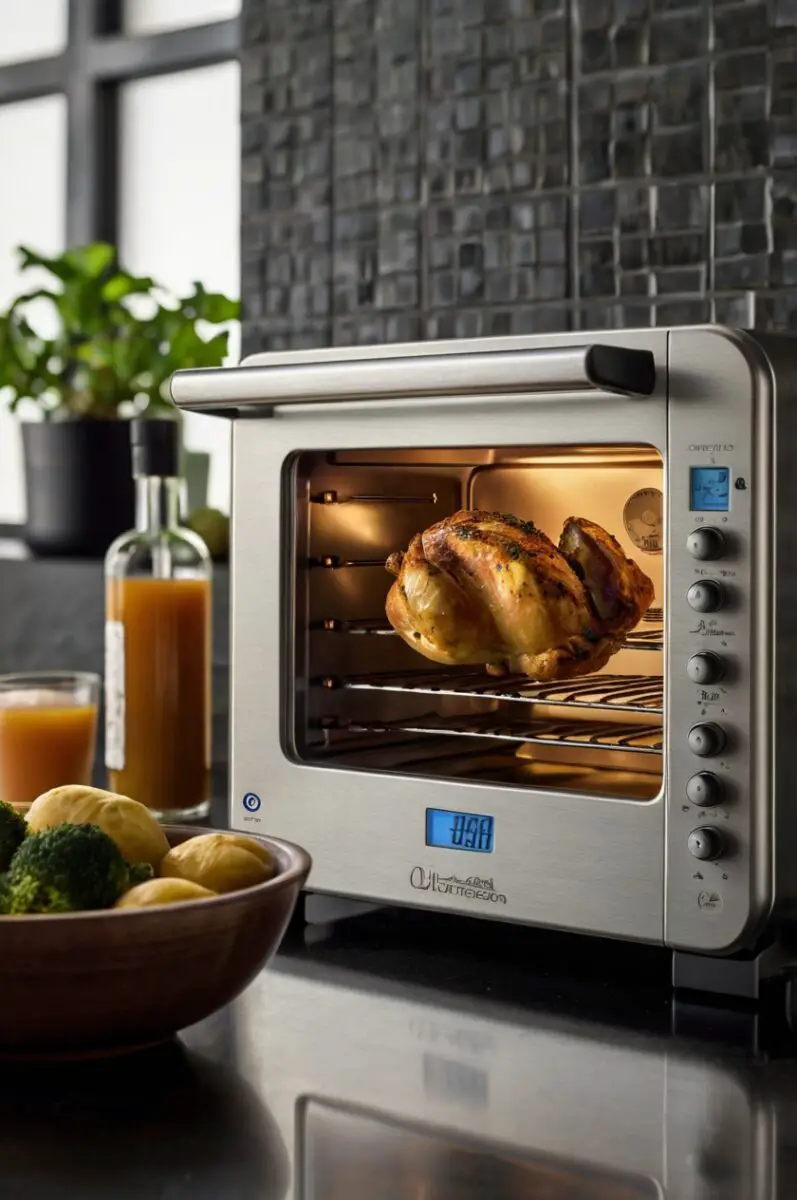
A smart oven thermometer with WiFi monitoring reveals the truth about what’s happening inside your oven and sends real-time alerts to your phone.
Most home ovens fluctuate by 25-50°F from the temperature displayed on the dial, and some have hot spots that vary by even more across different rack positions.
This temperature inconsistency is the hidden culprit behind cakes that dome unevenly, cookies that spread too much, and bread that browns too fast on one side.
Modern smart thermometers sit on your oven rack and continuously monitor the actual temperature, sending data to an app on your smartphone or tablet.
You can see exactly when your oven reaches the target temperature (which is often 10-15 minutes later than when the preheat beep sounds), ensuring you don’t put your delicate soufflé in too early.
The WiFi connectivity means you can monitor your bake from anywhere in your house—or even from your backyard if you’re entertaining guests while waiting for that pie to finish.
Custom alerts notify you when temperature drops (like when you open the door to rotate pans) or spikes unexpectedly, preventing burned batches.
Some advanced models include multiple probe sensors that let you monitor different zones in your oven simultaneously, revealing those hot and cold spots you’ve always suspected existed.
The historical data tracking shows you patterns over time, helping you understand your specific oven’s quirks and adjust recipes accordingly.
You can calibrate your baking times and temperatures based on real data rather than guessing, which is especially valuable if you’re working with an older oven.
The heat-resistant probes withstand temperatures up to 500°F or higher, making them safe for everything from slow-baked meringues to high-heat pizza baking.
Battery life on quality models lasts months, and the magnetic backing lets you store the display unit right on your refrigerator when not in use.
This tool bridges the gap between home and professional baking by giving you the same temperature precision that commercial bakeries have with their calibrated ovens.
Once you see the actual temperature fluctuations happening in real-time, you’ll finally understand why that recipe that works perfectly for everyone else keeps failing in your kitchen.
Madison’s Current Obsessions
13 Neutral Backsplash Ideas That Transform KitchensFine-Mesh Stainless Steel Sieve with Sturdy Frame
Lumpy flour, unsifted cocoa powder, and grainy powdered sugar create texture problems that ruin otherwise perfect batters.
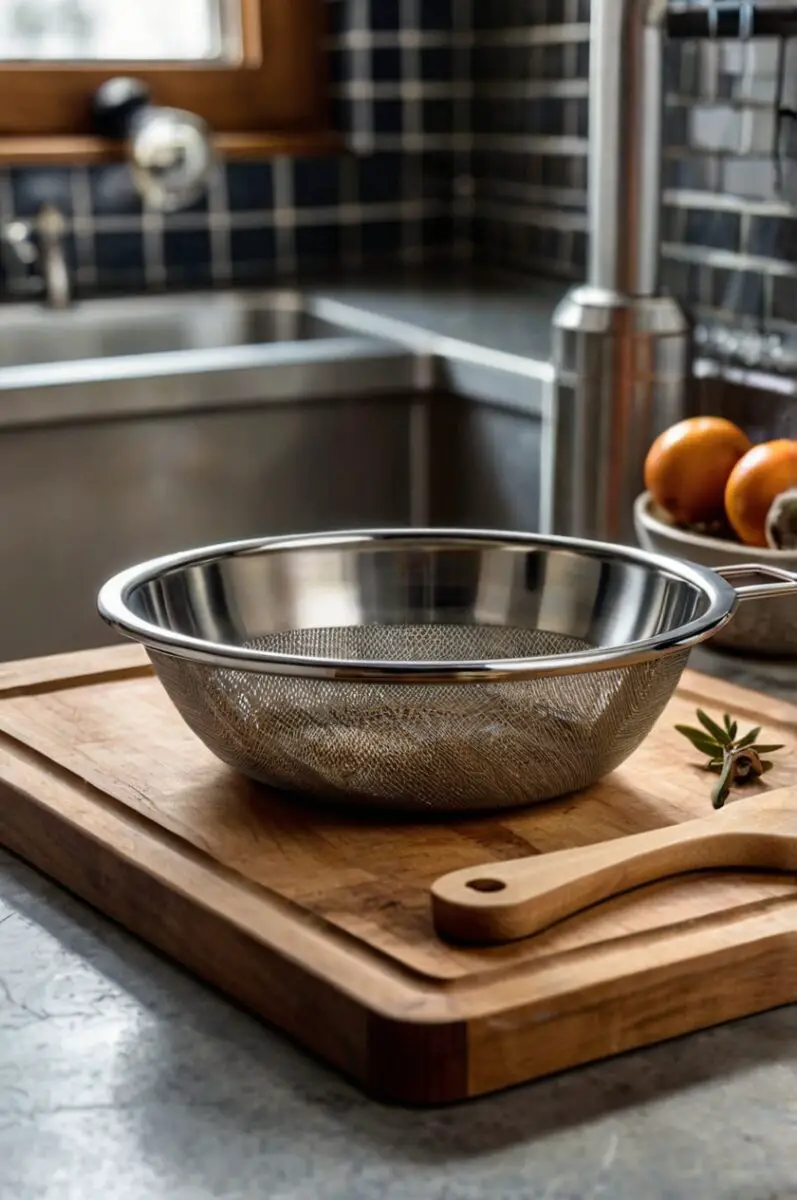
A fine-mesh sieve (also called a sifter or strainer) ensures your dry ingredients are perfectly aerated and lump-free before they touch your wet ingredients.
The fine mesh catches any hard bits, foreign objects, or clumps that might have formed during storage, giving you consistently smooth results.
Sifting incorporates air into flour, which makes cakes lighter and more tender because the ingredients combine more easily without overmixing.
You can also use this tool in reverse—dusting powdered sugar over finished baked goods creates that professional bakery look in seconds.
Modern stainless steel sieves have reinforced frames that won’t bend or break even with heavy use, unlike the flimsy plastic-handled versions.
The dual-purpose design means you’ll use it for both dry ingredients and for straining sauces, removing seeds from fruit purees, or draining blanched vegetables.
A 6-8 inch diameter is perfect for most home baking tasks and fits comfortably over standard mixing bowls.
The fine mesh should be durable enough to withstand gentle scraping with a spoon or spatula to push ingredients through without tearing.
Dishwasher-safe stainless steel construction means cleanup is effortless, though a quick rinse usually does the job.
The difference in texture between sifted and unsifted cocoa powder in a chocolate cake is dramatic—sifting eliminates those little brown specks and creates perfectly uniform color.
Professional bakers sift even pre-sifted flour because ingredients settle and compact during shipping and storage, and sifting right before use guarantees the lightest, most accurate measurements.
These essentials form the foundation of a well-equipped baking kitchen that’ll serve you for years to come.
You don’t need to buy everything at once—start with the tools that address your current frustrations and build from there.
The beautiful thing about investing in quality baking equipment is that these aren’t trendy gadgets that’ll gather dust—they’re legitimate tools that make you a better, more confident baker with every use.
Now get out there and create some magic in your kitchen!