
Living in a tiny house doesn’t mean sacrificing style or comfort.
It means getting creative with every corner, wall, and hidden nook.
I’m obsessed with how a few smart hacks can transform a cramped space into something that feels open, organized, and totally you.
It’s about working smarter, not harder, and falling in love with the cozy simplicity of small living.

Vertical Storage Is Your Best Friend
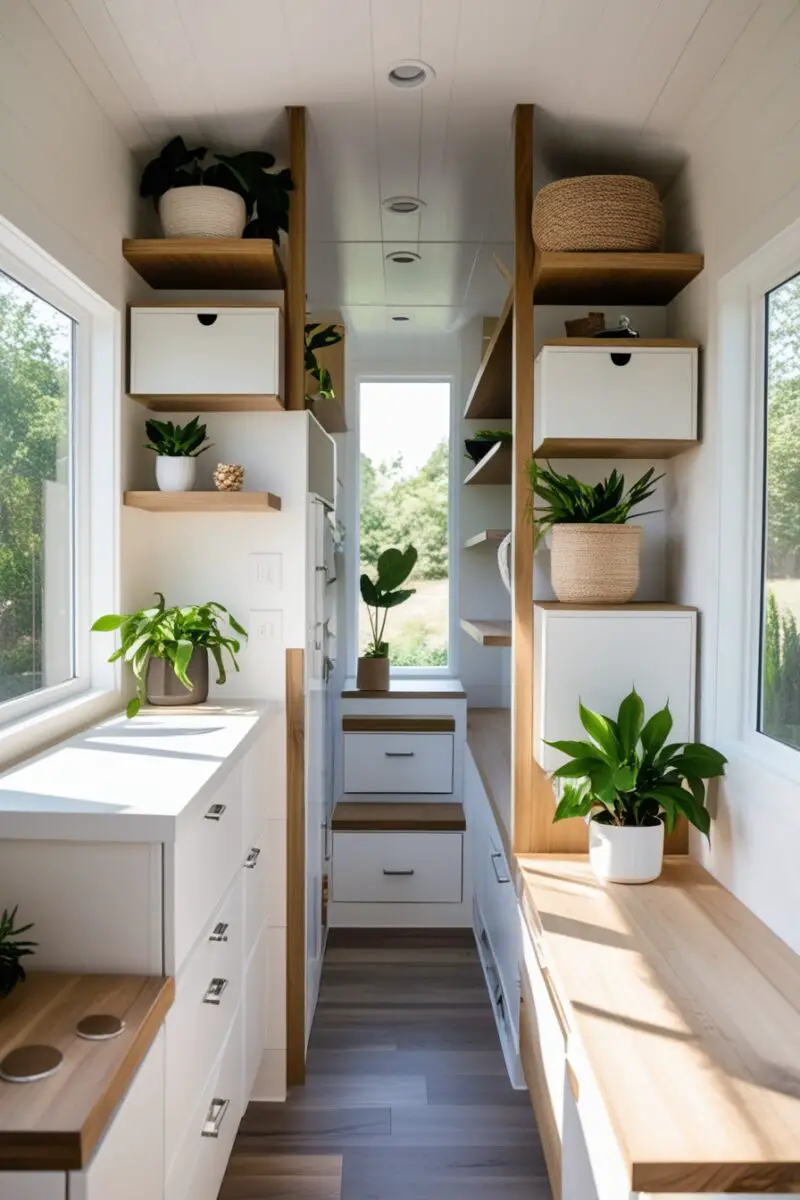
When floor space is limited, look up.
Vertical storage completely changes the game in a tiny house.
Install floating shelves on every available wall—kitchen, bathroom, bedroom, even above doorways.
These shelves hold books, plants, kitchen supplies, or decorative items without eating up precious floor real estate.
I love using tall, narrow bookcases that draw the eye upward and make ceilings feel higher.
Pegboards are another genius vertical solution.
Hang them in the kitchen for pots, utensils, and mugs, or in the entryway for keys, bags, and hats.
They’re customizable, affordable, and add a fun, functional vibe to your walls.
Wall-mounted hooks are perfect for hanging everything from bikes to coats to jewelry.
The more you can get off the floor and onto walls, the more spacious your tiny house will feel.
Vertical storage also keeps things visible and accessible, so you’re not digging through cluttered drawers.
It’s a simple shift in thinking that makes a huge difference.
If I had a tiny house, I’d cover nearly every wall with some form of vertical storage—it’s that powerful.
The emotional payoff is real: walking into a room that feels airy and organized instead of cramped and chaotic.
Madison’s Current Obsessions
My Mini Cabin Ideas Are Making People Rethink Small LivingMulti-Functional Furniture Works Overtime
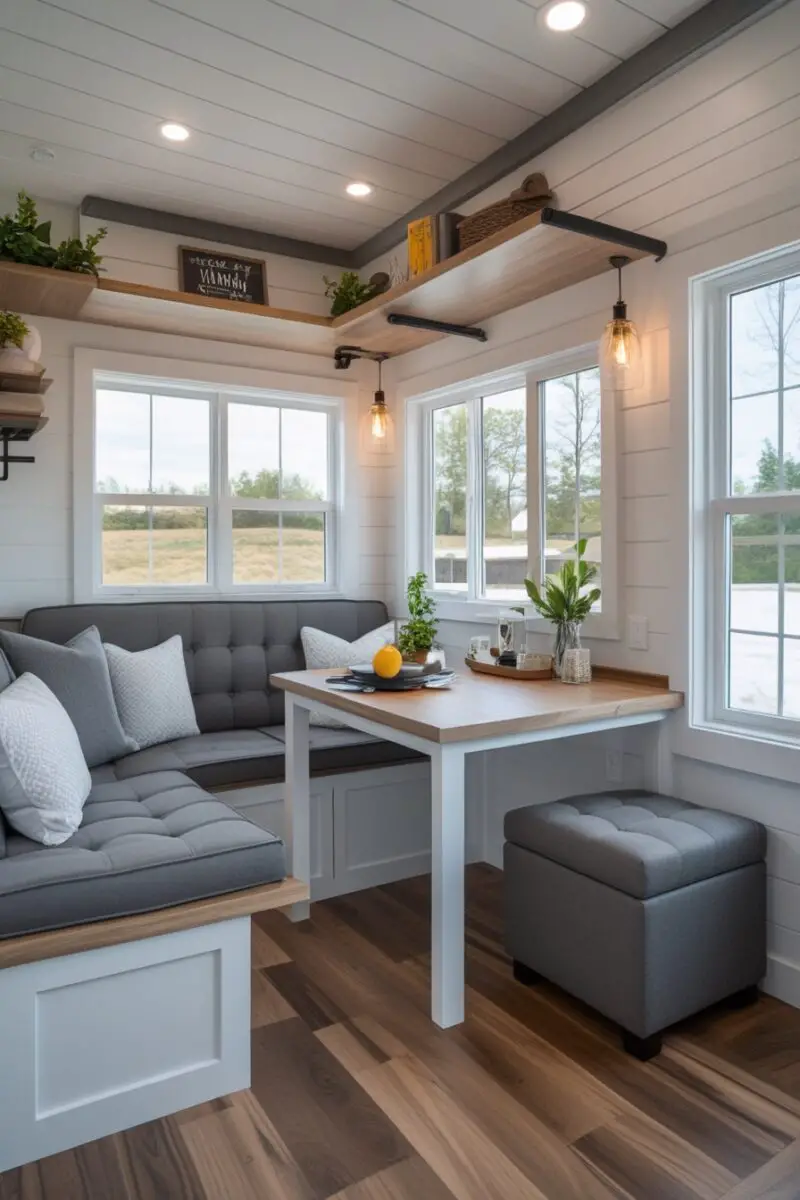
Furniture that does double or triple duty is non-negotiable in a tiny house.
Look for pieces that serve multiple purposes and save space.
A sofa bed transforms your living room into a guest bedroom in seconds.
An ottoman with hidden storage holds blankets, magazines, or board games while also serving as extra seating or a coffee table.
I’m a huge fan of fold-down desks that mount to the wall and disappear when not in use.
They create a functional workspace without permanently taking up floor space.
Dining tables with drop leaves expand when you have guests and shrink back down for everyday use.
Murphy beds are another game-changer—fold them up during the day to reclaim your bedroom as a living area.
Nesting tables slide together when you don’t need them and spread out when you do.
Even your stairs can work harder: turn them into drawers or cabinets for extra storage.
The goal is to make every piece of furniture earn its place in your home.
If something only serves one purpose, consider swapping it for a more versatile option.
Multi-functional furniture doesn’t just save space—it makes your tiny house feel flexible and adaptable.
I love how it lets you shift your home’s function throughout the day, from workspace to relaxation zone to entertaining hub.
Design Your Dream Room in Minutes! By DreamyHomeStyle
🏡 Start Creating FREE →Madison’s Current Obsessions
People Are Shocked How Big These Tiny Homes Actually FeelEmbrace Built-In Everything
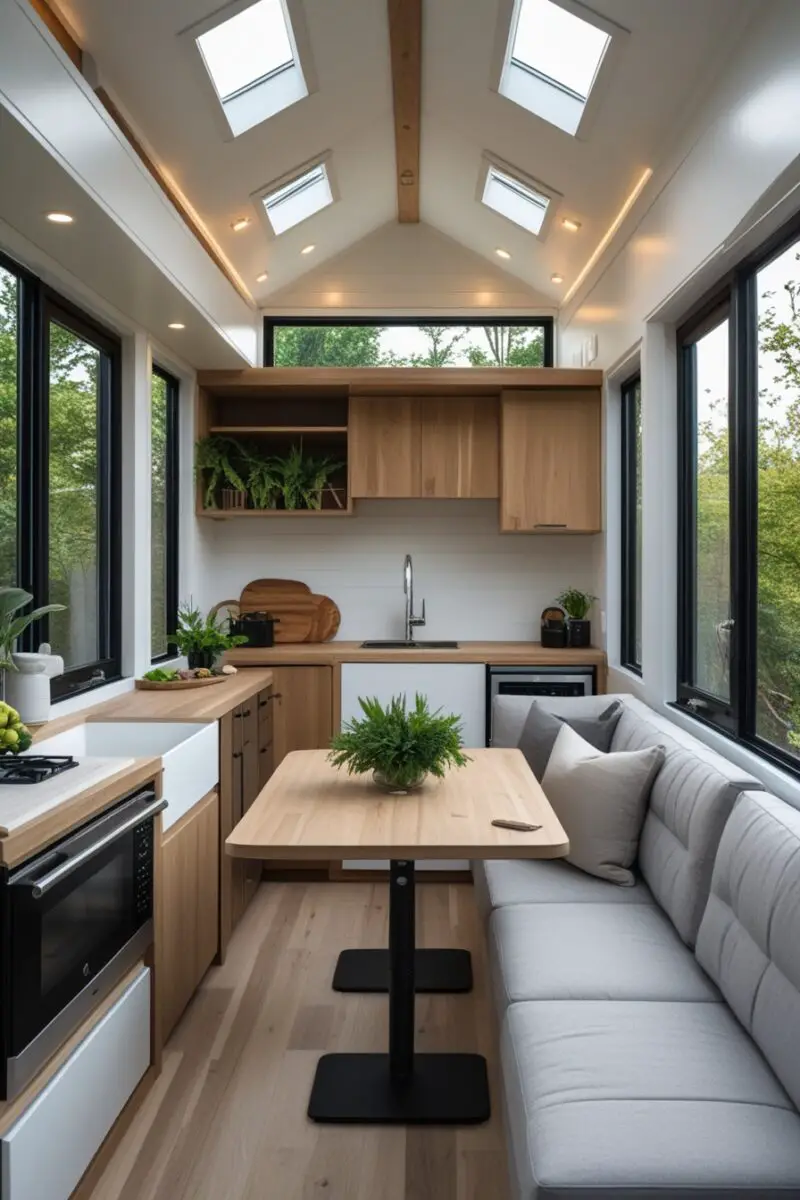
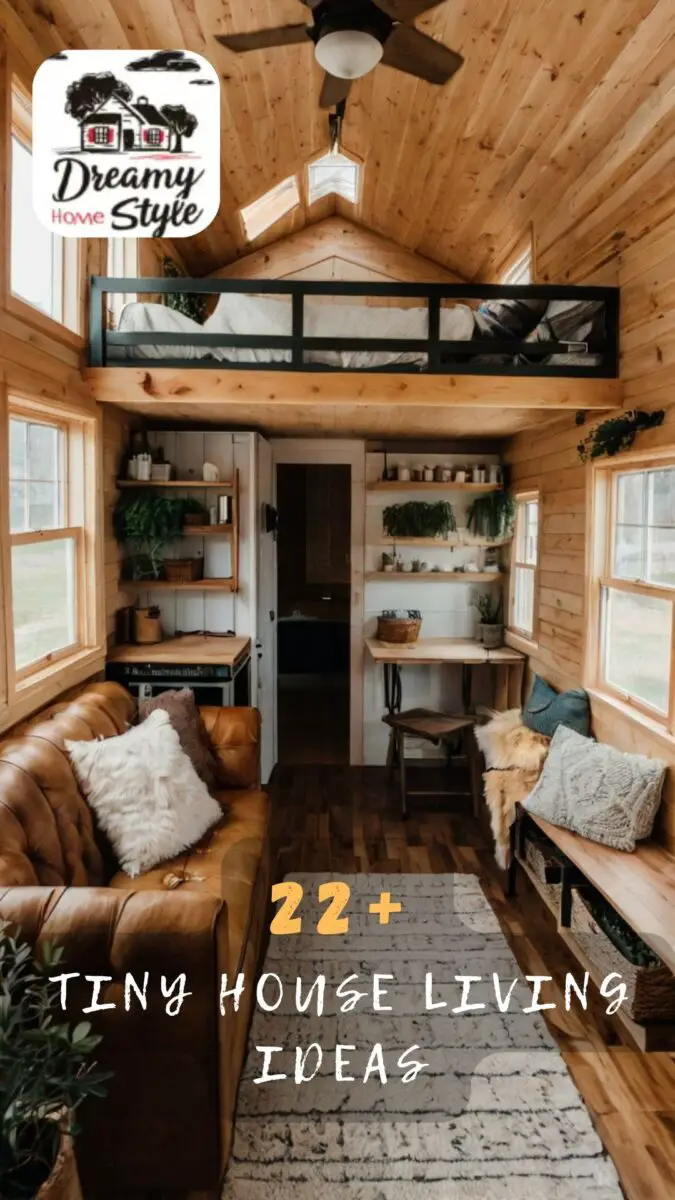
Built-ins are the secret weapon of tiny house design.
They maximize awkward corners, underutilized walls, and odd nooks that would otherwise go to waste.
Custom built-in benches with storage underneath are perfect for entryways or dining areas.
Add cushions on top for comfy seating and lift the seat to reveal hidden storage for shoes, linens, or seasonal items.
Built-in cabinets and shelving fit perfectly into your space, unlike standalone furniture that leaves gaps and wasted inches.
I’m obsessed with built-in bed frames with drawers or shelves integrated into the headboard and sides.
They turn your bed into a storage powerhouse without adding bulk.
In the kitchen, built-in spice racks, knife blocks, and cutting boards keep counters clear and everything within reach.
Built-in desks, window seats, and closet organizers make your tiny house feel custom and intentional.
They also create a cleaner, more cohesive look because everything flows together.
Sure, built-ins require more upfront planning and investment, but they pay off in functionality and aesthetics.
If I were designing a tiny house from scratch, I’d build in as much as possible.
The emotional benefit is huge: your home feels tailored to your life, not pieced together with random furniture.
Madison’s Current Obsessions
Design Lovers Can’t Believe How Cozy These Tiny Interiors FeelUse Mirrors to Expand Visual Space
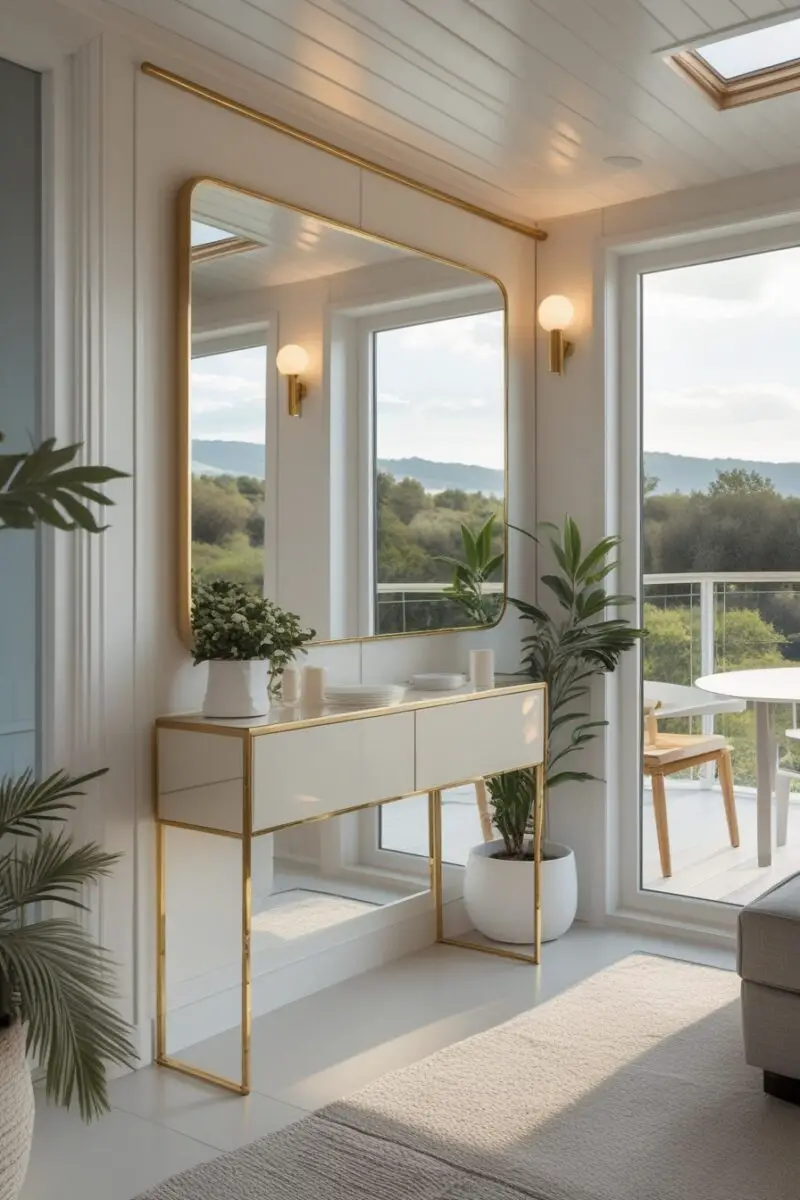
Mirrors are magic when it comes to making small spaces feel larger.
They reflect light and create the illusion of depth, which is exactly what a tiny house needs.
Hang a large mirror on a main wall to instantly open up the room.
Position it across from a window to bounce natural light throughout the space and make everything feel brighter.
I love using mirrored closet doors or mirrored backsplashes in the kitchen to add function and visual expansion at the same time.
Even small decorative mirrors clustered together can create a stunning focal point while amplifying light.
Leaning a floor mirror against a wall in the bedroom or living area adds style and makes the room feel twice as big.
Mirrors also help you check your outfit before heading out, so they’re practical too.
The key is placement—put mirrors where they’ll reflect something beautiful, like a window view or a pretty corner, not clutter.
Avoid placing mirrors directly across from each other, which can feel disorienting.
Instead, use them strategically to guide the eye and create a sense of flow.
If your tiny house feels dark or cramped, mirrors are one of the fastest, easiest fixes.
They trick the brain into perceiving more space and light, which is a total mood booster.
I can’t imagine living in a tiny house without at least one large mirror.
Maximize Under-Bed Storage
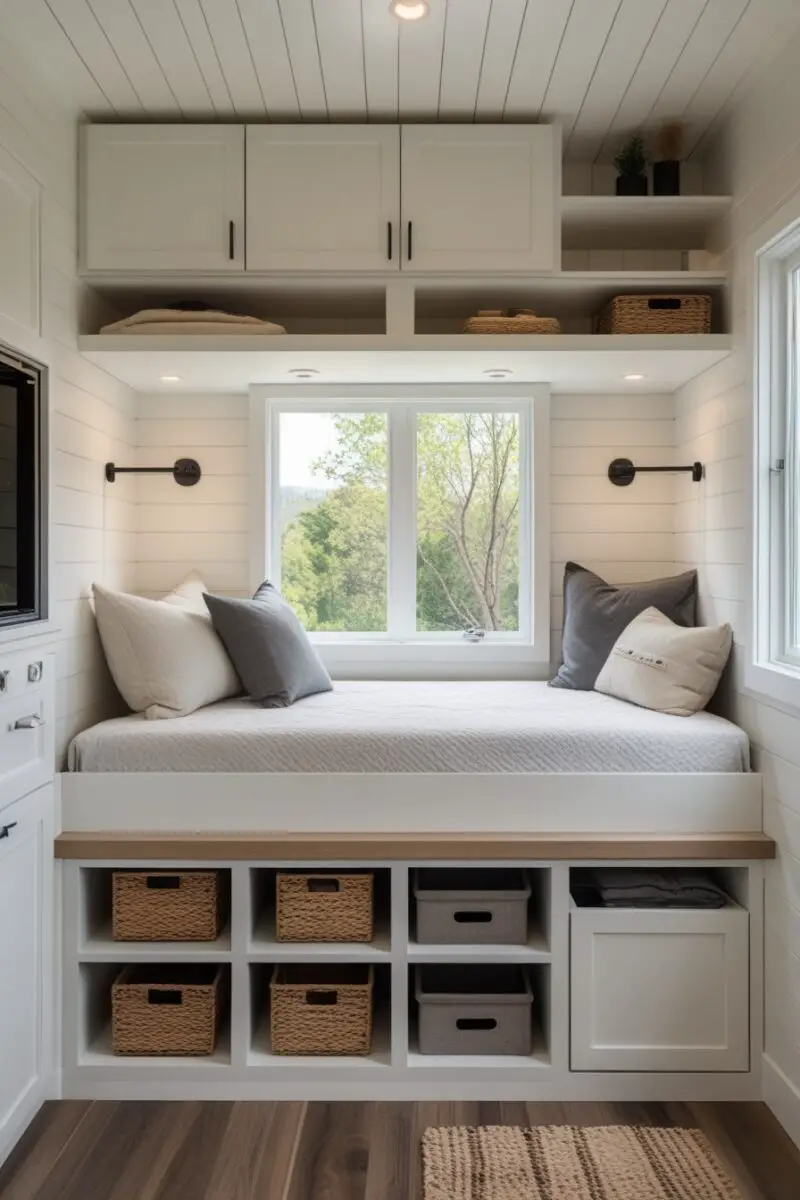
The space under your bed is prime real estate that often goes unused.
In a tiny house, you simply can’t afford to waste it.
Invest in a bed frame with built-in drawers or cubbies underneath.
These are perfect for storing clothes, shoes, extra bedding, or out-of-season items.
If your bed doesn’t have built-in storage, use rolling bins or flat storage containers that slide easily underneath.
Label them so you know exactly what’s inside without having to pull everything out.
I love vacuum-sealed bags for storing bulky items like winter coats or comforters—they compress down and save tons of space.
Bed risers are another simple hack that lifts your bed higher off the ground, creating more room for storage underneath.
Just make sure the risers are sturdy and the bed still feels stable.
You can also use the space under your bed for things you don’t access daily, like suitcases, camping gear, or holiday decorations.
Keep frequently used items toward the front for easy access.
The beauty of under-bed storage is that it’s completely hidden, so your bedroom still looks clean and uncluttered.
If I had a tiny house, I’d treat the space under my bed like a walk-in closet.
It’s amazing how much you can tuck away down there when you get organized.
Create Zones with Rugs and Lighting
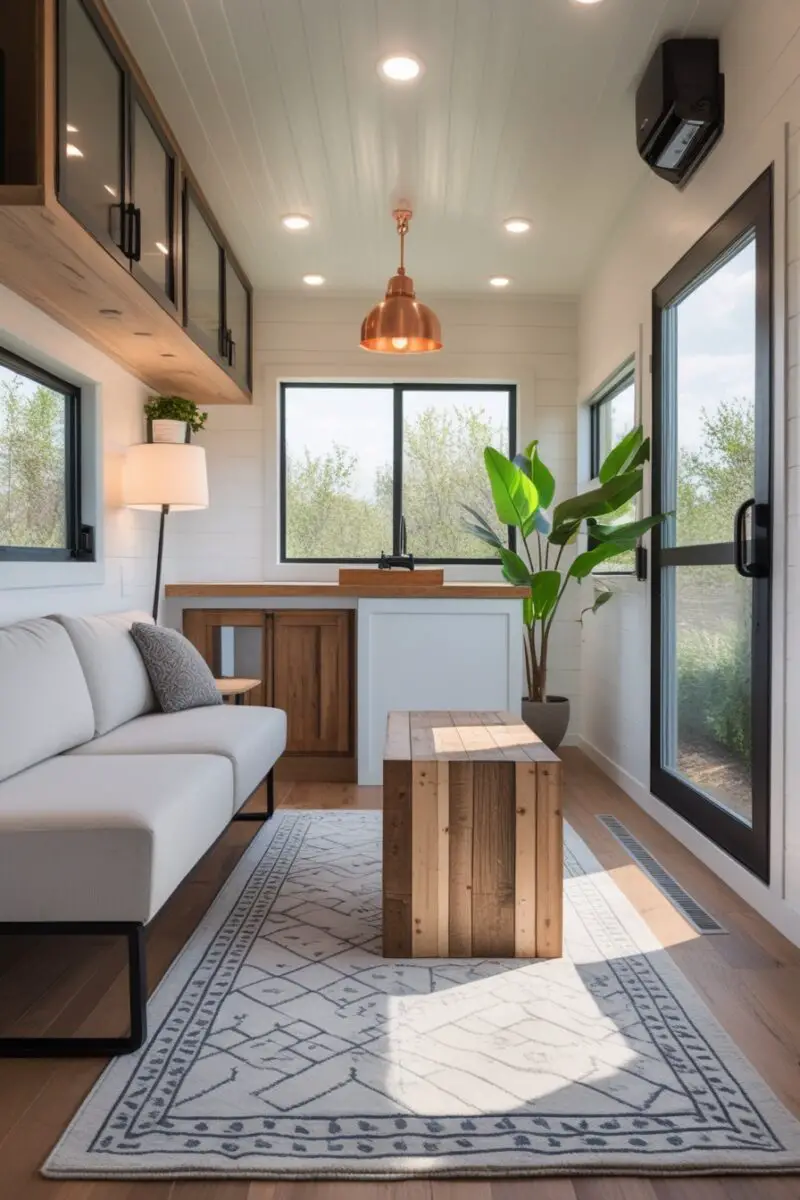
In an open-concept tiny house, defining different zones helps the space feel organized and intentional.
Rugs are one of the easiest ways to visually separate areas.
Place a rug under your dining table to mark the eating zone, and another in the living area to define the relaxation space.
This creates a sense of structure without adding walls or physical dividers.
I’m obsessed with how a beautiful rug can anchor a room and make it feel cozy and complete.
Lighting also plays a huge role in defining zones.
Use pendant lights over the dining table, a floor lamp in the reading nook, and under-cabinet lighting in the kitchen.
Each area gets its own lighting personality, which helps your brain recognize different functions.
Dimmer switches are a lifesaver because they let you adjust the mood and brightness based on what you’re doing.
Layered lighting—overhead, task, and accent—adds depth and warmth to a tiny house.
String lights or LED strips can create a soft, ambient glow that makes the space feel magical.
If you want to get really creative, use curtains or folding screens to physically separate zones when needed.
They’re temporary, flexible, and don’t take up much space when not in use.
Creating zones makes your tiny house feel larger and more functional because each area has a clear purpose.
Install Hooks Everywhere
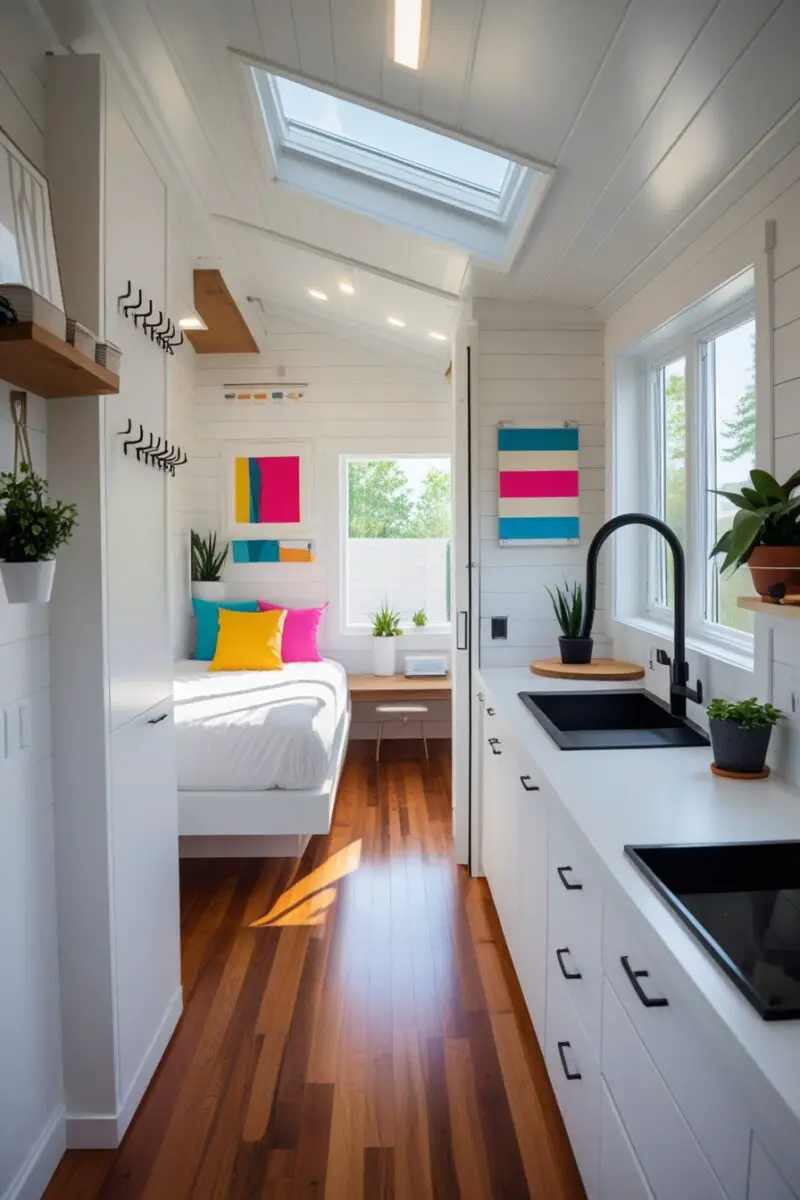
Hooks are tiny but mighty when it comes to maximizing space.
They take up almost no room but provide instant storage and organization.
Install hooks inside cabinet doors to hang measuring cups, pot lids, or cleaning supplies.
Add hooks in the entryway for coats, bags, scarves, and umbrellas.
I love using adhesive hooks in the bathroom for towels, robes, and loofahs—no drilling required.
In the bedroom, hooks on the back of the door or inside the closet are perfect for hanging jewelry, belts, or tomorrow’s outfit.
Command hooks are a renter’s best friend because they’re removable and won’t damage walls.
Use them in the kitchen to hang mugs, utensils, or even small pots and pans.
Hooks near your workspace can hold headphones, charging cables, or a small bag.
The garage or outdoor area benefits from heavy-duty hooks for bikes, tools, or gardening equipment.
Even decorative hooks can add style while serving a functional purpose.
The beauty of hooks is that they keep things off counters and floors, which makes your tiny house feel instantly tidier.
If I had to choose one single hack for small space living, hooks would be in my top three.
They’re affordable, easy to install, and work in literally every room.
Start looking around your tiny house and ask yourself: where could a hook make my life easier?
Opt for Light Colors and Minimalist Decor
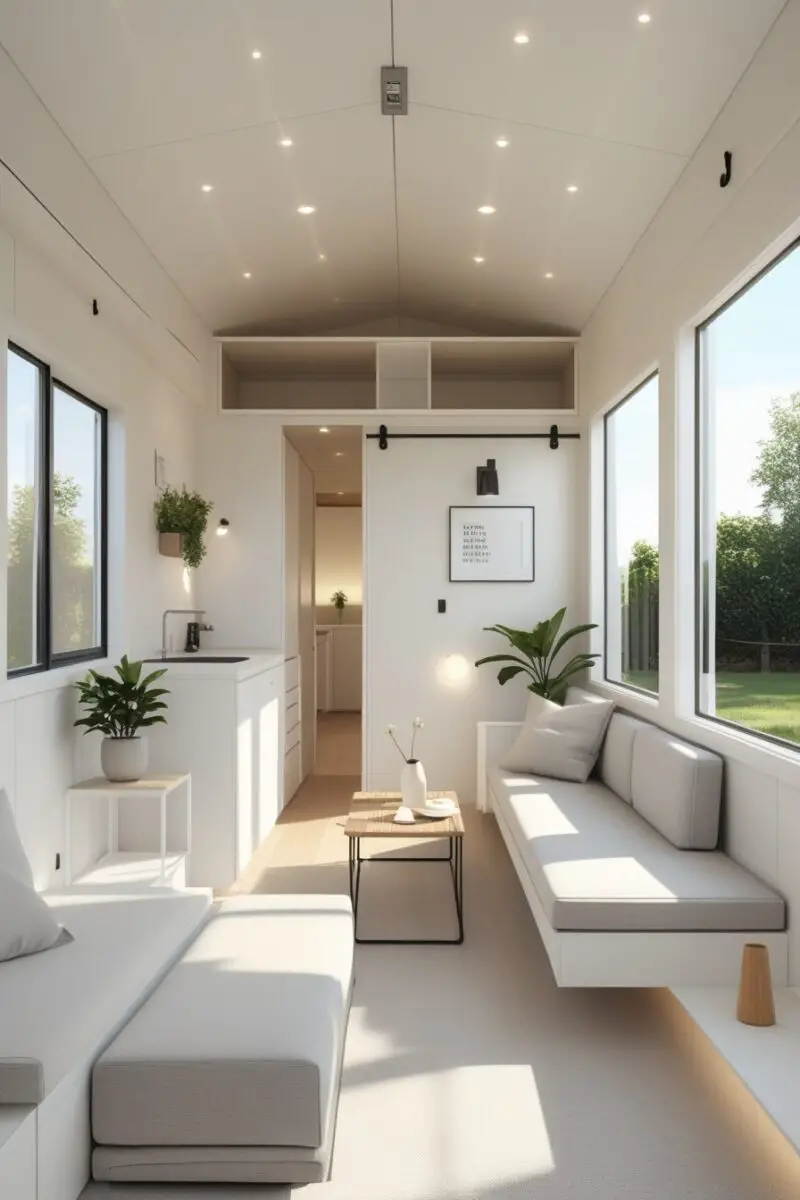
Color has a massive impact on how spacious a room feels.
Light, neutral colors like whites, soft grays, and pastels reflect light and make walls recede visually.
Dark colors can feel cozy, but in a tiny house, they might make the space feel smaller and more closed-in.
I’m a big believer in painting walls, ceilings, and trim the same light color to create a seamless, airy flow.
This eliminates visual breaks and makes the space feel larger and more open.
Stick to a cohesive color palette throughout your tiny house to avoid a chaotic, cluttered feel.
Minimalist decor is also your friend here.
Less visual clutter means your eyes can rest, and the space feels calmer and more spacious.
Choose a few meaningful decor pieces instead of filling every surface with knick-knacks.
I love a good gallery wall or a single statement piece of art instead of lots of small frames scattered around.
Keep countertops as clear as possible—store appliances and utensils out of sight when not in use.
Opt for furniture with clean lines and simple silhouettes that don’t overwhelm the room.
Transparent or light-colored furniture, like acrylic chairs or a glass coffee table, can also make a space feel less crowded.
The goal is to create a sense of calm and openness, not sterility.
Use the Backs of Doors
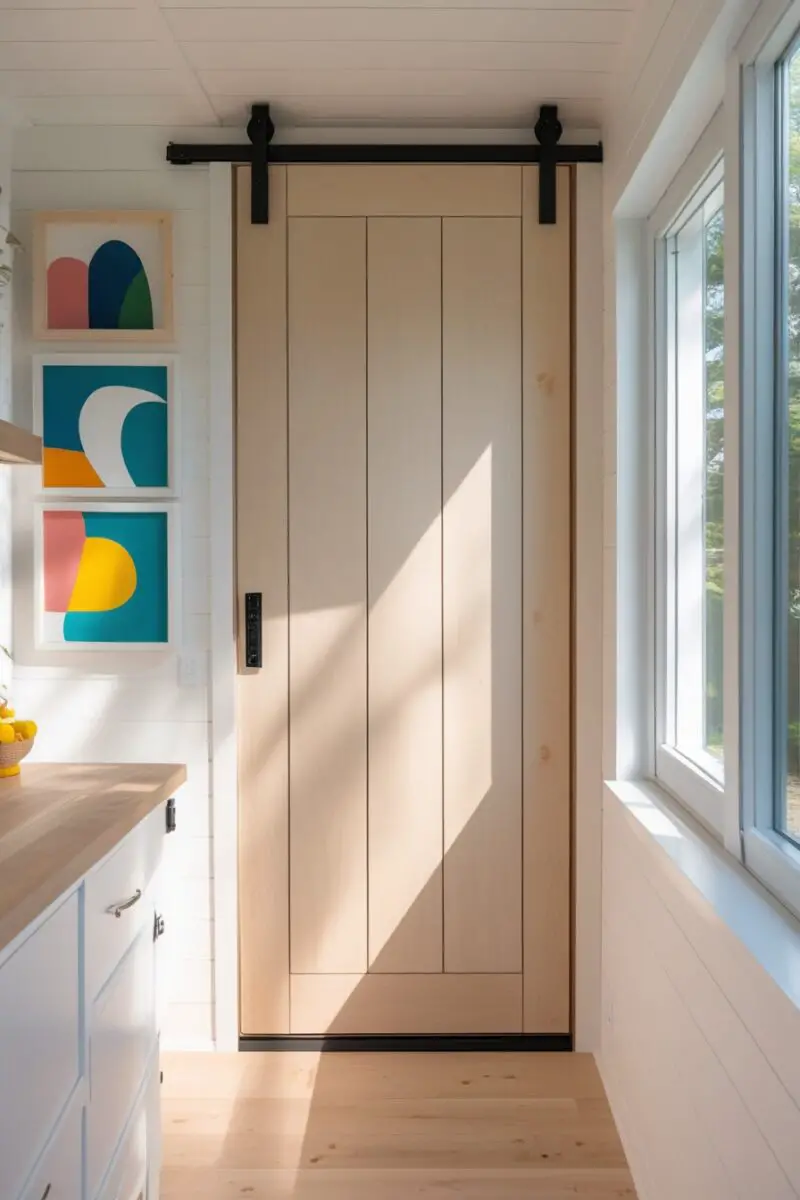
The backs of doors are often overlooked, but they’re incredibly valuable real estate.
Over-the-door organizers are perfect for shoes, accessories, cleaning supplies, or pantry items.
Hang one on your bedroom door to store scarves, belts, hats, or small bags.
In the bathroom, use an over-the-door rack for towels, toiletries, or hair tools.
I’m obsessed with how much you can fit on the back of a door without it feeling cluttered.
You can also install hooks, small shelves, or magnetic strips on the back of doors.
A magnetic strip on the inside of a cabinet door is genius for holding knives, scissors, or metal utensils.
In a tiny house, every door should work harder—pantry doors, closet doors, even the front door.
Cork boards or whiteboards mounted on the back of a door create a command center for notes, calendars, or meal planning.
Folding ironing boards or drying racks can hang on door backs and fold flat when not in use.
The key is to keep things organized and not overload the door so it becomes hard to open and close.
If the back of a door is empty, you’re missing out on prime storage space.
I’d definitely add organizers to every door in a tiny house—it’s such an easy, affordable hack.
This is one of those small changes that makes a surprisingly big impact.
Invest in Collapsible and Stackable Items
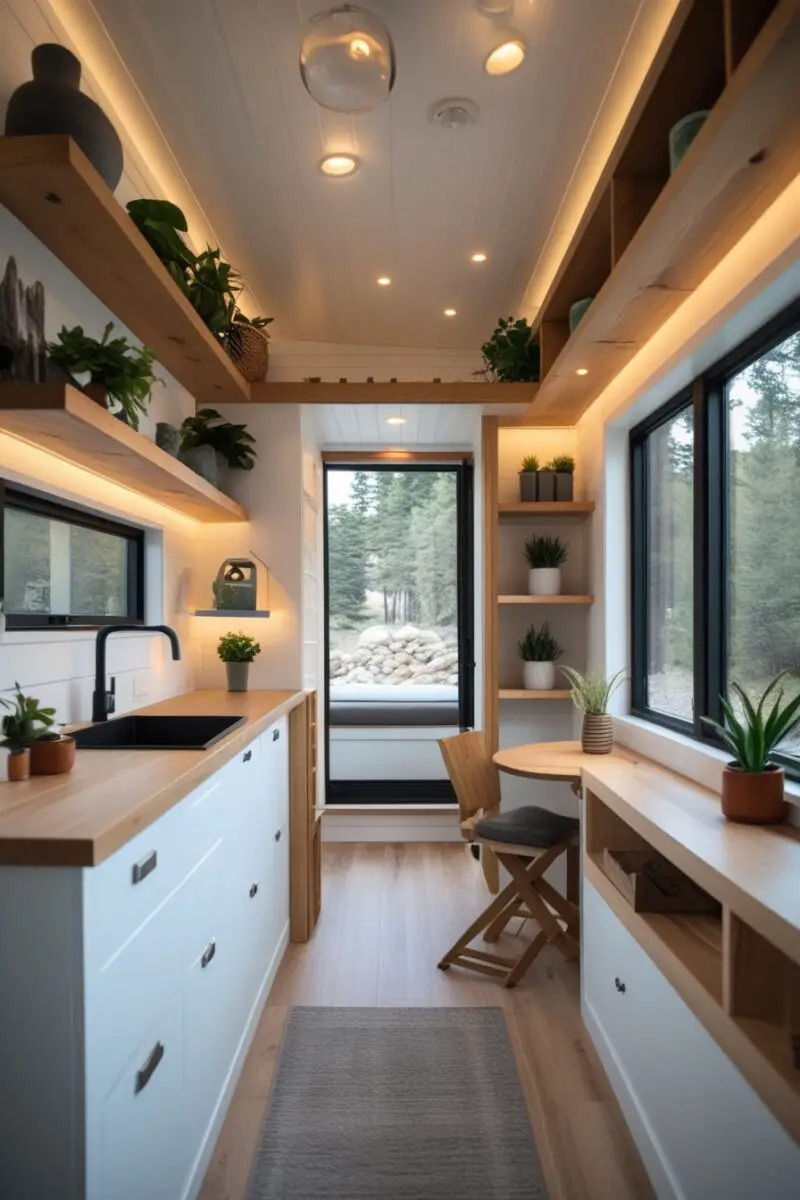
Collapsible and stackable items are lifesavers when storage is tight.
Collapsible dish racks, colanders, and mixing bowls shrink down when not in use and free up cabinet space.
I love collapsible laundry baskets that fold flat and tuck into a closet or under the bed.
Stackable storage bins, baskets, and containers make the most of vertical space inside cabinets and closets.
Choose clear stackable bins so you can see what’s inside without having to unstack everything.
Stackable chairs or stools are perfect for tiny houses—pull them out when guests come over and stack them away when you’re done.
Collapsible furniture like folding tables, chairs, and even portable desks can be stored in a closet or against a wall when not needed.
Nesting cookware sets—pots and pans that stack inside each other—save tons of kitchen space.
I’m also a fan of stackable or foldable crates for organizing pantry staples, craft supplies, or kids’ toys.
The beauty of these items is that they adapt to your needs in the moment.
When you need them, they’re there.
When you don’t, they disappear.
This flexibility is essential in a tiny house where space needs to shift and change throughout the day.
If I were outfitting a tiny kitchen, I’d choose collapsible and stackable items over traditional bulky versions every time.
They’re just smarter and more adaptable.
Make Use of Awkward Corners and Nooks
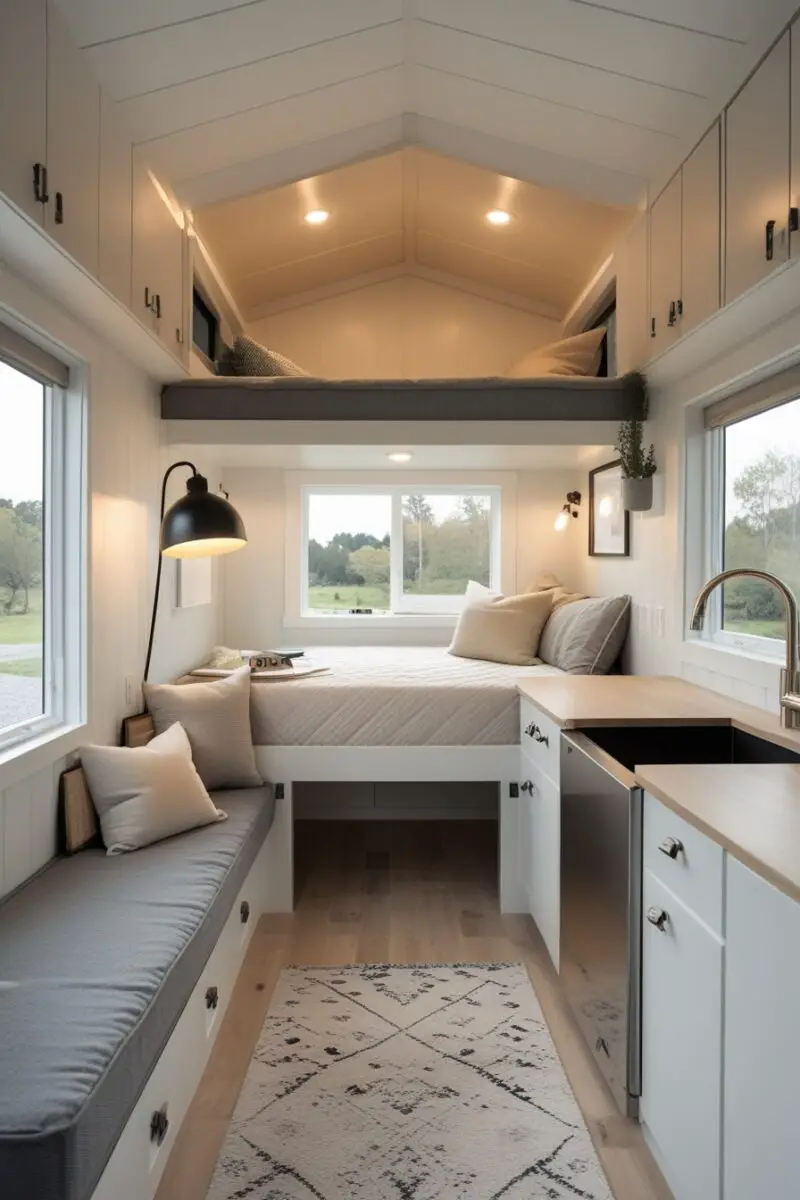
Tiny houses often have weird corners, slanted ceilings, or odd nooks that feel impossible to use.
But with a little creativity, these spaces can become super functional.
Install corner shelves to turn an awkward angle into a display area for plants, books, or decor.
A corner desk fits snugly into a small nook and creates a workspace that doesn’t intrude into the main room.
I love using corner cabinets in the kitchen or bathroom to maximize storage in tight spots.
Lazy Susans inside corner cabinets make it easy to access items without reaching into the back.
Under-stair storage is another goldmine—turn those awkward triangular spaces into drawers, cabinets, or even a cozy reading nook.
If you have a slanted ceiling, install low shelves or cubbies that fit perfectly in the shorter space.
Window nooks can become reading corners with a cushion and some pillows, plus storage underneath.
Don’t let odd angles intimidate you—they’re opportunities to get creative and add character to your home.
Custom solutions often work best for these spaces, so measure carefully and think outside the box.
If a corner or nook feels useless, ask yourself: could this hold storage, seating, or decor?
The answer is almost always yes.
I’d turn every weird corner in my tiny house into something functional and beautiful.
If I were decorating a tiny house, I’d curate a small collection of pieces I truly love instead of filling the space with clutter.